Youssef Maaloufa* | Soumia Mounir | Amine Laaouatni | Yakubu Aminu Dodo | Abelhamid Khabbazi | Hassan Demrati | Ahmed Aharoune
© 2025 The authors. This article is published by IIETA and is licensed under the CC BY 4.0 license (http://creativecommons.org/licenses/by/4.0/).
OPEN ACCESS
The use of ecological materials is a promising solution for reducing the environmental footprint in the building sector. Recently, several composites based on organic additions are studied to improve the properties of building materials. This work proposes the study and development of a concrete brick with an organic sheep wool additive for the load-bearing walls of the structure or building envelope. First, a study of the physicochemical properties of the sheep wool additive was conducted. SEM tests were carried out to determine the impact of the treatment of sheep wool fibers with a lower rate ratio (1% NaOH solution). Subsequently, a series of thermomechanical characterization tests of the composite allowed the study of thermal conductivity, compressive and bending resistances according to different volume fractions of sheep wool (1%, 2%, 3%, and 5%) by sand replacement method. The results indicate that the chemical treatment permits the improvement of the surface roughness of the fiber by eliminating lipid contamination deposits, a gain of 42% on the thermal conductivity, and interesting values of the compressive strength for the composite, respectively 2% and 3% in order to obtain 24.33 MPa and 23.35 MPa. Thus, an analysis of the dimensionless coefficients was carried out to determine the optimal fraction of sheep wool with good thermal and mechanical properties. For the valorization of this composite, the manufacture of a brick based on this formulation was proposed. The results of the study showed interesting thermal and mechanical properties for a percentage of 2% of sheep wool fiber and also confirm the significant effect of processing on this improvement.
building, construction, sheep wool, thermal characterization, mechanical properties, concrete brick, compressive strength, composite
The rural world is a political concern because of its demographic, social, and economic importance. It covers 90% of the surface of the Kingdom of Morocco and represents 40% of the national population. In addition, the livestock sector is of economic importance and contributes to the formation of the Gross Domestic Product (GDP) up to 25 to 40%, depending on the agricultural campaigns that supply the textile and handicrafts sectors with the necessary raw materials (sheep wool, skins, leather, etc.). Nevertheless, sheep wool can constitute an important potential choice for the building sector and, more precisely, for the use of building materials, given its characteristics of being versatile, effective insulators, and of natural origin. The need for natural materials with low environmental impact remains a strategy for ecological manufacture as a pillar of sustainable development and for the reduction of enormous quantities of energy.
Currently, concrete constitutes the basis for construction, with many technical, practical and functional advantages. These constituents, particularly cement, affect the durability of concrete, which has a significant environmental impact. Research and development of new concrete-based composites with low environmental impact are a very promising field of exploration. The compromise is divided between the important mechanical characteristics and fire resistance offered by concrete and the need to improve the thermal characteristics and the durability aspect. In the concrete matrix, the replacement with natural fibers such as sheep's wool can improve environmental impact and minimize overall carbon emissions.
The environmental impact of certain materials can be assessed through life cycle analysis. Global warming potential (GWP) and ozone depletion potential (ODP) are among the indicators used in this assessment. According to Dénes et al. [1], wool has GWP and PDO values equal to 0, whereas for polystyrene, the GWP is less than 5 kg CO2eq/kg and the PDO is 0.
The significant use of sheep's wool in the construction sector will link two sectors with ongoing and evolving activity, which will contribute to strengthening the circular economy. Similarly, fiber processing is an important aspect in adapting this integration; it prevents fiber degradation for a long service life and also contributes to good adhesion between the skeleton and the binding matrix. Regarding fire resistance, concrete as a basic matrix has significant fire resistance. A reasonable proportion of sheep's wool will not significantly affect this resistance. Thus, the concrete matrix will protect the sheep's wool fibers.
The framework provided here is very important, as the integration of natural fibers requires a comprehensive approach to address several aspects. However, most studies focus first on the aspects and gaps that may affect the feasibility or the improvements to be made in the thermal or acoustic aspect. This approach is carried out with monitoring and verification of other characteristics such as mechanical ones. Thus, the study presented in this work will take this path for the improvement of the thermal response, the analysis of the fiber treatment and the verification of the mechanical properties.
Several research works have been invested in the development and characterization of composites based on ecological additives such as vegetable fibers (alpha fiber, cork, date palm fiber, cotton, coconut, sugarcane, etc.) [2-5] in terms of the additive's thermomechanical characteristics, its chemical composition, microscopic morphology, or the composite's formulation of materials based on different hydraulic binders such as cement, gypsum, clay matrix, or earth.
We mentioned that Ozerkan et al. [2] studied cement mortars reinforced by date palm fiber by proceeding to the two types of alkaline pretreatment fiber at two concentrations. Tests on the condition of fresh mixtures and the mechanical properties of hardened mixtures were conducted. The results show that the treatment with 0.173% Ca(OH)2 found that this treatment dosage neutralizes participation of the fiber in the cement hydration process confirmed by the microstructural examination of hardened mortars and improved resistance to bending and sulfate of mortar mixtures.
Maaloufa et al. [3] conducted a study comparing the best gypsum-alpha fiber and gypsum-cork composites and investigating the effect of the additive on their thermo-mechanical behavior. The results showed that, thanks to its microstructure, the fibrous additive was able to improve at the same time its thermal and mechanical properties by increasing the additive's percentage, while the increase in the percentage of the additive's granular cork allowed it to improve thermal properties and weaken the composite's mechanical properties. that limits the composite's applications for building works for plaster-granular cork or plaster fiber alpha, like the false ceilings where the plaster is very used.
According to Ibn-Elhaj et al. [4], the incorporation of alpha fiber has effectively improved the thermal conductivity, compressive strength, and flexural strength of the composite clay-fiber alpha, especially for a percentage of 1% and 2%, which allows the optimization of its thermo-mechanical behavior.
Kriker et al. [6] examined the impact of the choice of four types of date palm fibers on the properties of concrete mixed as a function of curing conditions in water and in a hot, dry climate. Increasing the percentage of fibers improved post-crack flexural strength and toughness coefficients.
Few works have dealt with the choice of additive animal fiber compared to lignocellulosic fibers, including sheep fiber, in composite materials or the development of thermal bricks based on sheep wool.
Parlato et al. [7] are interested in this study, the recovery of sheep wool waste on an Italian scale, in order to exploit it as a building material known for its thermal and acoustic insulation potential. This approach has been implemented through a geographic information system as a solution to help the decision-making process alleviate the logistics problems related to the collection of this resource and to develop the production chain.
Bosia et al. [8] have determined the physical and thermal properties of the panel made from recycled sheep wool in order to improve the energy efficiency and performance of the building walls for sustainable architecture.
Similarly, Hetimy et al. [9] aim to study the suitability of sheep wool to improve thermal performance in buildings. A thorough review was carried out to analytically classify its eco-friendliness through a comparative analysis with critical evaluation, identifying its physical and environmental properties.
While Mounir et al. [10] studied the hygrothermal behavior of sheep wool, showing its important impact on helath and insulating building, the study also reveals the advantages of sheep wool in terms of its low cost, which encourages industry to manufacture these ecological materials.
Few works have dealt with the choice of additive animal fiber, including sheep fiber, in composite materials or the development of thermal bricks based on sheep wool. Among those interested in improving the acoustic properties of sheep wool concrete, we cite Alyousef [11], the author is interested in improving acoustic performance and reducing concrete noise by incorporating raw and modified sheep wool fibers. The results obtained on the acoustic absorption coefficients are 0.66 and 0.75 for mixtures containing 2.5% WF and MWF, respectively, at a frequency of 2000 Hz. There is a slight reduction in the compression resistance and elasticity module values according to the percentage variation of the sheep wool fiber. We cited Mounir et al. [12], the author makes a study of the behavior of thermal inertia and energy efficiency of clay with natural and industrial additives: cork, wool, and plastic waste. The comparison of the results obtained from the 25 cm wall of these composites allowed for thermal inertia at 0.9m thickness of heavy concrete wall; however, this allows a gain for the clay alone of 69%, the clay-plastic 79%, the clay-cork 87%, and the clay-wool 89%. In terms of carbon footprint, the composite clay-cork has a negative carbon footprint; however, the clay and the clay-wool have a low carbon emission, close to zero, while the clay-plastic and heavy concrete have the highest emission value.
Cardinale et al. [13] evaluated the thermal and mechanical properties of mortar cement lime with sheep wool fiber filling by adding it as an additive to mixtures for different fiber contents of either 2%, 5%, or 7% for concrete panel utilization. The lengths of wool fiber are 10 mm after cutting using a treating with liquid nitrogen in order to reduce the temperature during the cutting phase. The experimental results showed that increased wool content in the cement mortar leads to improved thermal properties but severely penalizes the mechanical characteristics of the material due to the excessive amount of water used for workability reasons. In addition, the study suggested a 2% SWF content of dry raw materials as the optimal content in terms of workability, mechanical properties, and thermal insulation.
Other studies [1, 14, 15] as well as focused on improving the mechanical performance of cement composites using sheep wool,
Dénes et al. [1] have shown that traction, flexion, fire resistance, and electrical properties can be significantly improved. Compression resistance is reduced by 15–30% compared to the reference sample; a higher dosage or smaller fiber length negatively affects compression strength; and it requires a higher amount of hydration water. The degree of reduction in compression resistance of the composite depends on the length of the fibers and the dosage. An increase in flexion resistance was observed, ranging from 7% to 18% for dosages of 0.35% and 1%, respectively.
Although finding a method to improve the workability of concrete reinforced with sheep's wool consists of a pre-treatment of the wool fibers, it is cited that the difference between the performances was noted following two types of treatment of the composites [16, 17].
Fantilli et al. [17] concluded that the pre-treatment of fibers (i.e., atmospheric plasma) has led to an improvement in the flexion resistance and ductility of the composite. Replacing 1% of cement with wool fiber leads to an increase of 18% to 23% in the flexuration capacity of the mortar.
Moreover, Alyousef et al. [16] are studying the influence of treated and untreated wool fibers on the mechanical and microstructural properties of concrete. A proposal for pre-treatment with saline water emersion with a salinity of 35% and a temperature between 22℃ and 28℃ for 24 hours was conducted. The improvement of the composite's mechanic characteristics was also explained by the modification of the sheep's wool surface due to the salt water treatment, resulting in a significant improvement in the fiber properties and better adhesion with the cement paste. Compression resistance was relatively higher than that of untreated fibers at all ages.
Another study uses a mixture of vegetable and animal fiber for improving the thermomechanical properties of the composite. We cite Atbir et al. [18], the aim of this article is to support the local circular economy by promoting the use of a new brick based on a mix of clay, cork, and sheep wool in composite bricks to enhance energy efficiency in buildings, identify the best proportion of additives for better thermal insulation and mechanical. The obtained results revealed that the optimal properties of the recommended composite, a clay specimen with 12% of the cork mass percentage and 2% of wool, provide a gain of 64% in thermal conductivity. We note any treatment was applied for the fiber wool.
Another work of Atbir et al. [19] that uses wool fiber for reinforced plaster, a dynamic simulation TRNSYS was done. The author indicates that the composite showed a performance in thermal properties and good behavior in flexion, where the compression side considerably decreased.
In this perspective, this work presents the steps of the elaboration and manufacturing process of a new light concrete brick based on sheep wool additive to develop a bio-sourced material that can be used in construction. The objective of this study is to analyze several parameters, including the chemical treatment impact proposed with a lower rate ratio of order the 1% NaOH solution on sheep wool fiber instead of other treatments proposed in the literature, such as saline water with a higher rate ratio or another solution like atmospheric plasma, liquid nitrogen, etc., and propose another method for enhancing the properties of sheep wool fibers. By focusing on a milder chemical treatment, we aim to preserve the natural characteristics of the wool while improving its structural integrity and compatibility with various construction materials. method of the formulation of the composite based on the variation additive's fraction by sand replacement method instead of a percentage based on the weight of cement to study its impact on the characterization of the thermo-mechanical properties of concrete's composites in the perspective of finding a better proportion of the sheep wool fiber additive that ensures both better thermal and mechanical properties of the composite.
The author started with the characterization of the microstructure of this additive by opting for a chemical treatment. In order to study the impact of chemical treatment on the microscopic structure of the sheep wool fiber, a study of morphological and chemical characterization was done before and after treatment. The authors produced three composites of cement mortar with sheep wool for four different percentages of fiber (1%, 2%, 3%, and 5%) based on the existing literature and a series of experimental works. Thermal characterization was done using the hot plate method in a steady-state regime in order to determine the thermal conductivity of those composites. Mechanical characterization was done to investigate the compressive and flexural strengths of those materials. Afterward, the authors proceeded to a dimensionless analysis study to specify the optimum proportion of the sheep wool inside the concrete, which led to the best thermal and mechanical properties. A proposal formulation study of the bricks dimensions of 44 × 20 × 15 cm was done for this optimum proportion of fiber sheep wool that gives the best compromise in thermal and mechanical properties.
The materials used in this study are cement, sand, fiber sheep wool, and mixing water for cement hydration.
2.1 Description of the materials used
This part will be devoted to the detailed description of the characteristics of the elements making up the composite.
2.1.1 Cement
Portland cement is the result of the grinding of clinker in a proportion greater than or equal to 65% and a 100% complement of one or more additions such as limestone, pozzolan, or fly ash, in accordance with NM 10.1.004, Tables 1 and 2 show the characteristics of the cement used in CPJ 45.
Table 1. Mechanical characteristics of the cement used
|
Mechanical Characterization |
Strength Value |
|
2-day strength |
≥ 13.5 MPa |
|
28-day strength |
≥ 32.5 MPa |
Table 2. Physical characteristics of the cement used
|
Physical Characterization |
2 Day Strength |
|
Shrinkage at 28 days measured |
< 800 µm/m |
|
SO3 content |
<4% |
|
Start of setting measured on paste |
≥ 90 mn |
|
Stability measured on paste |
≤ 10 mm |
2.1.2 Sand
The sand used is sand taken from the quarry; the apparent density is 1600 (kg.m-3) and the granulometry is limited to 0-3 mm.
2.1.3 Fiber sheep wool
Sheep's wool is an insulator resulting from the extraction of sheep's shearing; this material is characterized by its low carbon impact. Although wool is often treated with fire retardants (chemical or natural), it has excellent thermal insulation qualities and is a good hygrometric regulator: absorbs up to 30% of its weight in water.
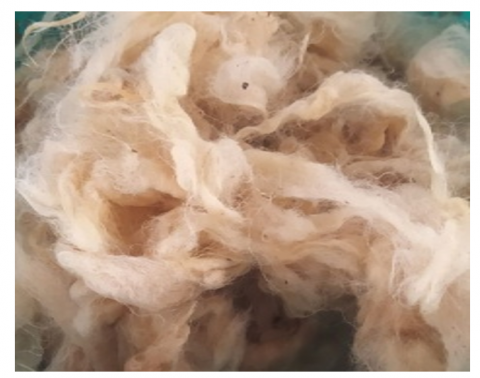
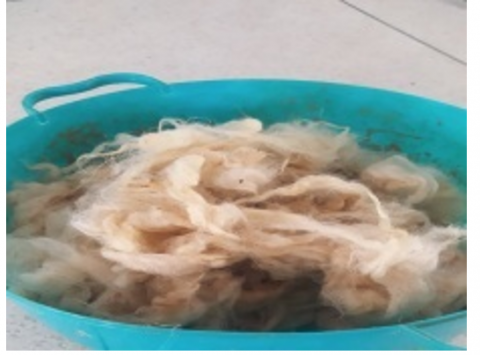
Figure 1(a) illustrates the nature of sheep's wool fibers. The measured apparent density of the fiber of the density the sheep wool used is about 20 (Kg.m-3) while its thermal conductivity is 0.04 (W.m-1.K-1).
The treatment of sheep wool fibers was carried out by immersion in a 1% NaOH solution in order to neutralize the activity of microorganisms and rule out the treatment's effect on the microstructure of the fiber. SEM images before and after treatment are represented in the results section.
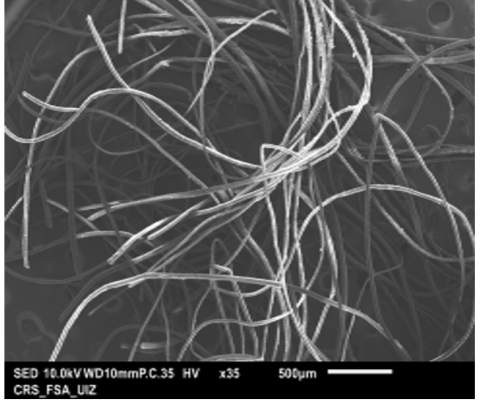
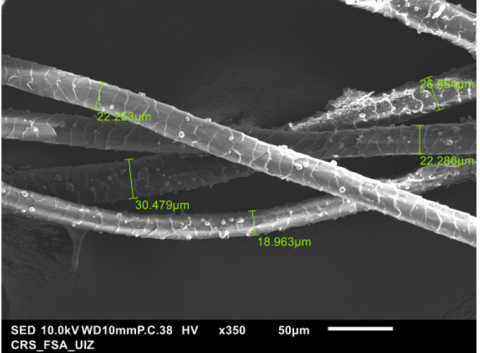
The analysis of SEM Figure 1(b) and Figure 1(c) on our sheep's wool shows that it is composed of several fibers with diameters ranging from 18 μm to 30 μm after treatment. Figure 1(d) shows that they are composed of two types of cells: the internal cells of the cortex and the external cuticle cells that form a sheath around the fiber [20].
2.2 Sample preparation
This section will present the basic steps for the manufacture of samples, the treatment of sheep wool as well as the choice of proportions.
2.2.1 Treatment of sheep wool fiber
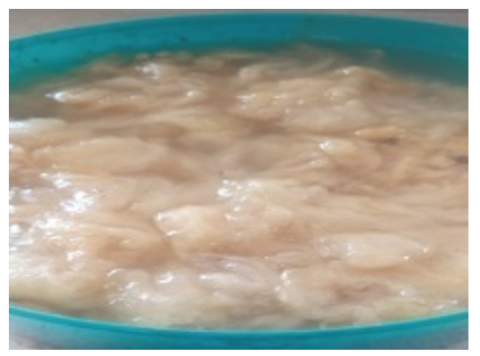
The first step consists to make one wash with distilled water, then a chemical treatment by immersion in a solution of 1% NaOH is applied for 1 hour, followed by a second washing in distillated water and a drying of the sheep fibers in an oven at a temperature of 50℃. Figure 2 represents the fibers of sheep wool immersed in a 1% NaOH solution and sheep's wool after drying and washing in distilled water.
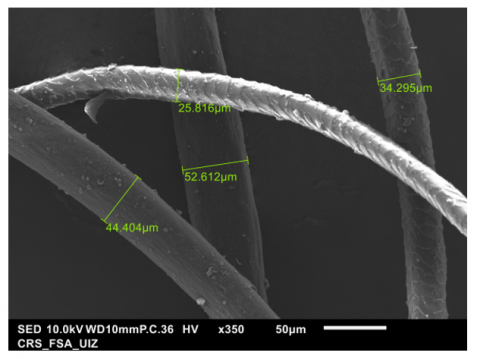
Figure 3. SEM analysis measurement of fiber diameters before treatment with 1% NaOH solution
The second step consists of preparing the total amount of sheep wool additive; the principal consists of cutting the samples of sheep wool with 40 mm of the length. This range of fiber length was selected based on the existing literature. to avoid the short length that led to a reduction in the mechanical properties of the mixture. According to the test SEM shown in Figure 3 before treatment of wool's fiber, we note that our sheep wool has a diameter ranging from 25 μm to 52 μm.
The analysis of SEM shown before and after treatment concluded that reducing the diameters of fiber sheep wool with diameters ranging from 25 μm to 52 μm before treatment to 18 μm to 30 μm after treatment
2.2.2 Evaluation of quantities of composites
The objective of this step is to estimate the quantities of sheep wool concrete components. The principle of formulation is to study the variation of the volume fraction of the additive by substituting a quantity of sand into the composites. The cement dosage as well as the water mixing ratio rate (W/B = 0.5) are fixed.
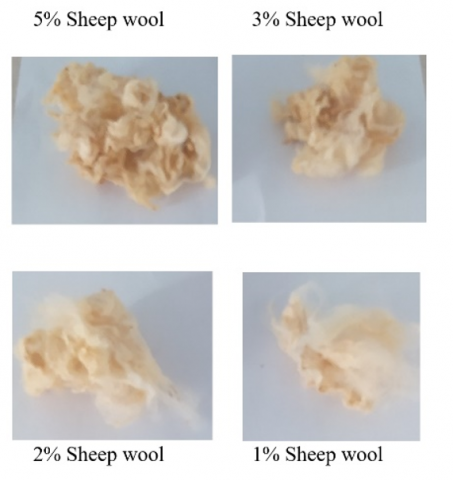
Figure 4. Sheep wool quantity for all percentage
For the manufacture of the composite's samples, we put in, respectively, quantities of cement and sand corresponding to a mass of 100% of the mold's volume. In addition, the quantity of the additive is evaluated as a proportion of the sand mass replaced, respectively, by 1%, 2%, 3%, and 5% shown in Figure 4. Based on the existing literature and a series of experimental works, the authors also note that the fiber wool was setting into the mold in the direction of the length of the mold (160 mm) [21] for the purpose of studying the impact of the variation of the volume fraction of the additive on the thermo-mechanical properties of concrete-sheep wool.
Table 3 summarizes the quantities of the sheep's wool concrete for different volume fractions of the additive.
Table 3. Formulation composites for thermal and mechanical properties
|
Component |
CSW (0%) |
CSW (1%) |
CSW (2%) |
CSW (3%) |
CSW (5%) |
|
Cement (g) |
254.8 g |
254.8 g |
254.8 g |
254.8 g |
254.8 g |
|
Sand (g) |
208.96 g |
206.44 g |
204.76 g |
200.56 g |
196.36 g |
|
Fiber sheep wool (g) |
0 g |
2.52 g |
4.2 g |
8.4 g |
12.6 g |
|
Water (g) |
127.4 g |
127.4 g |
127.4 g |
127.4 g |
127.4 g |
|
Number of samples 10 × 10 × 2 cm |
3 |
3 |
3 |
3 |
3 |
|
Number of samples 4 × 4 × 16 cm |
3 |
3 |
3 |
3 |
3 |
2.2.3 Manufacture of composite samples for characterization of thermo-mechanical properties
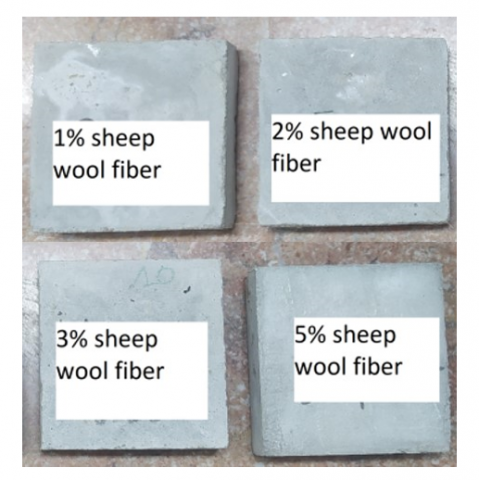
For the manufacture of the composite's samples, we have opted for two kinds of molds according to the standard NF EN 196-1:
We produce three samples of composite for each percentage of the additive to validate the thermo-mechanical properties obtained.
The composite characterization section will be devoted to the evaluation of thermal conductivity and mechanical resistance.
3.1 Characterization of thermal properties
The characterization of the thermal conductivity (λ) of fiber's sheep wool concrete composites is carried out by the hot plate method in a steady-state regime [22, 23] in accordance with the experimental setup illustrated in Figure 7.
Figure 7. View and schema of asymmetrical hot plate device in steady state regime
3.2 Characterization of mechanical properties
The principle of evaluating the flexural strength of sheep's wool concrete consists of applying a progressive and continuous force at the mid-distance of the sample. and placing it on two supports until the composite's rupture. The limit value of the bending resistance is evaluated directly on the machine, as illustrated in Figure 8(a). The dimensions of the samples are 40 × 40 × 160 mm3 in accordance with NF EN 196-1 [24].
The compressive strength test of sheep's wool concrete is carried out in accordance with standard NF EN 196-1 [24], as shown in Figure 8(b). The samples are subjected to a uniaxial compressive load until rupture; the strength of the compression's composite is given directly by the testing machine.
Figure 8. Device of mechanical tests: (a) tensile bending test (b) compression test
Finally, this part will show the different results, the SEM analysis, the density measurement, the thermal conductivity and the mechanical properties. A comparison of the physical and thermomechanical properties with the literature will also be conducted, as well as an analysis of the dimensionless coefficients of the thermal and mechanical properties.
4.1 SEM analysis
After applying a treatment with a 1% NaOH solution by immersion, we opted to compare the surface condition of the fibers before and after treatment for the purpose of studying the impact of the treatment fiber.
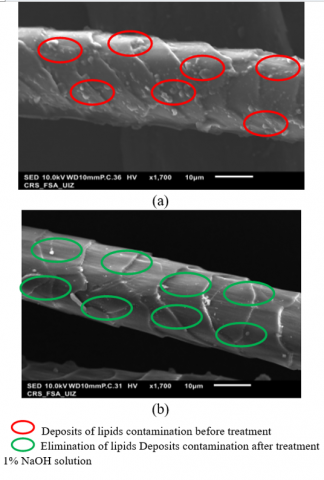
Figure 9. SEM images at 10 μm scale of sheep wool fibers: (a) before treatment (b) after treatment during 1 hour
The SEM analysis before treatment illustrated in Figure 9(a) shows that the sheep wool fibers present deposits of the lipid layer on the surface of the cortex, while the SEM analysis in Figure 9(b) after treatment permits the elimination of these deposits, which increases the adhesion capacity of these fibers within the binder matrix. The observation of the comparison of a chemical treatment with sodium carbonate permits the cleaning of the surfaces of the fibers.
4.2 SEM chemical analysis before and after treatment (EDX)
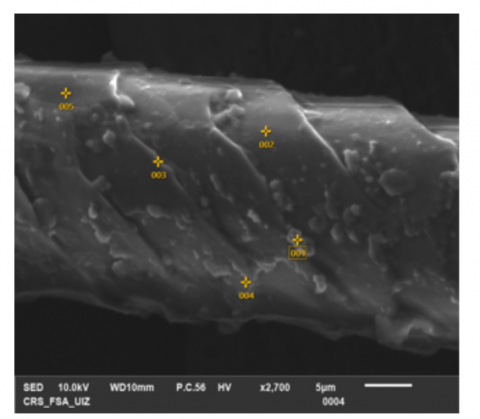
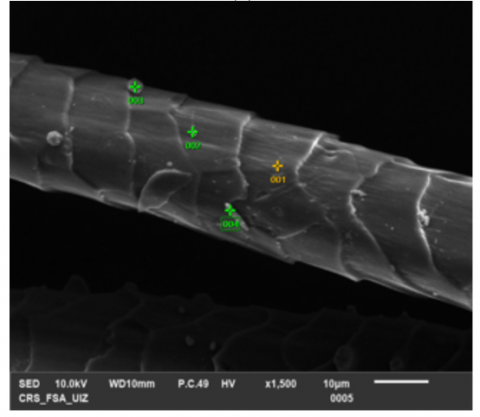
To better explain the results observed by SEM images, we carried out an EDX analysis represented in the Figure 10 to determine the chemical components of each surface area. Tables 4 and 5 show the chemical analysis proportion element for sheep wool before and after treatment.
(a)
(b)
Figure 10. SEM images at 5 μm for EDX analysis: (a) before treatment (b) after treatment with 1% NaOH solution
After analysis of Table 4 of the chemical composition of surface points 1 to 5 before treatment with 1% NaOH solution, the author notes that points 2, 3 and 5 have the same chemical components, which implies that these zones are of the same formation and represent the surface of the sheep wool fiber: they are zones rich in carbon, oxygen, sodium and nitrogen.
Table 4. Chemical analysis proportion element for sheep wool before treatment
|
Map Point |
Untreated Wool Fiber |
Average |
||||||||||
|
1 |
2 |
3 |
4 |
5 |
||||||||
|
m% |
A% |
m% |
A% |
m% |
A% |
m% |
A% |
m% |
A% |
m% |
A% |
|
|
O |
51.1 |
51.0 |
37.8 |
32.7 |
33.7 |
29.9 |
33.7 |
29.9 |
36.54 |
32.4 |
38.6 |
35.2 |
|
C |
31.4 |
41.7 |
51.9 |
59.7 |
48.8 |
57.7 |
49,8 |
58,8 |
44,97 |
53,1 |
45.4 |
54.2 |
|
N |
----- |
----- |
5.35 |
5.28 |
7.46 |
7.56 |
5.99 |
6.06 |
10.45 |
10.5 |
7.31 |
7.37 |
|
Na |
----- |
----- |
1.28 |
0.77 |
2.68 |
1.66 |
3.16 |
1.95 |
2.11 |
1.3 |
2.31 |
1.42 |
|
Mg |
0.71 |
0.47 |
----- |
----- |
----- |
----- |
----- |
----- |
------ |
------ |
0.71 |
0.47 |
|
Si |
0.7 |
0.4 |
----- |
----- |
----- |
----- |
----- |
----- |
------ |
------ |
0.70 |
0.40 |
|
S |
----- |
----- |
2.43 |
1.05 |
4.41 |
1.95 |
7.19 |
3.18 |
3.71 |
1.64 |
4.44 |
1.96 |
|
Cl |
----- |
----- |
1.17 |
0.46 |
2.83 |
1.13 |
----- |
----- |
2.22 |
0.89 |
2.07 |
0.83 |
|
Ca |
15.9 |
6.34 |
----- |
----- |
----- |
----- |
----- |
----- |
----- |
------ |
15.9 |
6.34 |
Note: m%: masse percentage; A%: Atom percentage.
However, the point1, which represents lipid contamination, also contains magnesium, silicon and calcium, in addition to the chemical elements mentioned on the fiber surface.
The analysis of Table 5 leads to the conclusion that NaOH treatment results in a reduction of carbon and sodium on the points representing the surface of sheep's wool fibers and an increase in oxygen and nitrogen, which implies a reduction in carbon dioxide, an elimination of chlorine and consequently an increase in the durability of sheep's wool, while on the points representing the lipid settling zones there is an elimination of magnesium, silicon and calcium and a reduction in oxygen, which leads to deterioration and elimination of lipids.
Table 5. Chemical analysis proportion element for sheep wool after treatment
|
Map Point |
Treated Wool Fiber |
Average |
||||||||
|
1 |
2 |
3 |
4 |
|||||||
|
m% |
A% |
m% |
A% |
m% |
A% |
m% |
A% |
m% |
A% |
|
|
O |
49.8 |
27.4 |
47.2 |
29.3 |
30.2 |
24.5 |
26.8 |
25.0 |
42.4 |
27.1 |
|
C |
31.3 |
58.2 |
33.3 |
55.4 |
69.7 |
75.4 |
44.8 |
55.8 |
44.8 |
63.0 |
|
N |
9.92 |
9.94 |
10.9 |
10.9 |
----- |
------ |
8.94 |
9.54 |
10.4 |
10.15 |
|
Na |
2.77 |
1.69 |
2.67 |
1.64 |
------ |
------ |
3.64 |
2.37 |
3.03 |
1.90 |
|
Mg |
------ |
------ |
----- |
------ |
------ |
------ |
------ |
------ |
------ |
------ |
|
Si |
------ |
------ |
----- |
------ |
------ |
------ |
------ |
------ |
------ |
------ |
|
S |
6.15 |
2.69 |
5.82 |
2.56 |
------ |
------ |
13.9 |
6.49 |
8.62 |
3.91 |
|
Cl |
------ |
------ |
----- |
------ |
------ |
------ |
------ |
------ |
------ |
------ |
|
Ca |
------ |
------ |
----- |
------ |
------ |
------ |
1.87 |
0.7 |
1.87 |
0.70 |
Note: m%: masse percentage; A%: Atom percentage.
However, Moore et al. [25] notes that wool contains many contaminants from its environment, which should undergo a chemical cleaning procedure before being recycled. The treatment with sodium carbonate allows for the removal of these contaminants, particularly the deposition of the lipid layer.
According to Alyousef et al. [16], pre-treatment with immersion in water with a salinity of 35% and a temperature between 22℃ and 28℃ for 24 hours leads to a change in the surface of sheep wool, resulting in a significant improvement in the properties of the fibers and better adhesion with the cement paste. Therefore, the addition of treated sheep wool with a low ratio in the pre-treated cement composites results in a good improvement of mechanical properties, which leads to the formation of high C-S-H gels. The presence of a high crystal content is evidence of improved micro-pores and reduced gaps in fibrous concrete, resulting in a rigid interfacial transition area.
4.3 Density measurement
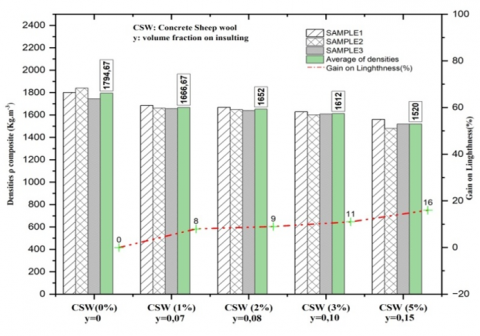
The results presented in Figure 11 of the density measurement of samples for the different percentages of additive sheep's wool. The results show that the increase in the rate of insulator allows to reduce the density of the composites and to register a maximum gain in terms of lightness of 16% for a high rate of additives of 5%.
The authors indicate that the margins of error measured for the density of the composite are between 1 and 2%.
The sheep’s wool volume fraction is determined by the Eq. (1):
$\mathrm{y}=\rho_{{comp }}-\rho_{{binder }} / \rho_{{add }}-\rho_{{binder }}$ (1)
The volume fraction of the sheep's wool insulator in the composite is proportionally linear to the reduction of the apparent density of the composite.
We also note that the variation between samples for the same proportion of insulation is almost constant.
Figure 11. Analysis of densities of the produced sample and the gains obtained in term of lightness
4.4 Thermal conductivity
According to Table 6, the results show that increasing the volume fraction of the insulator in the composite reduces the average thermal conductivity of the sheep wool fiber concrete. A significant gain in the thermal conductivity of the composite was beyond 30% compared to the sample without additives for the sheep's wool volume fraction of (y = 0.08).
A maximum gain in thermal conductivity of 42% for the maximum volume fraction of the insulation y = 0.15 with λ = 0.417 (W.m-1.K-1) instead of λ = 0.703 (W.m-1.K-1) for the CSW composite (0%).
Table 6. Thermal conductivity of composites studied
|
Composites |
Average of Thermal Conductivity (W.m-1K-1) |
Gain on Thethermal Conductivity |
Measurement Error (%) |
|
CSW (0%) |
0.703 |
0 |
0.2 |
|
CSW (1%) |
0.564 |
21 |
0.4 |
|
CSW (2%) |
0.469 |
34 |
0.3 |
|
CSW (3%) |
0.431 |
40 |
0.2 |
|
CSW (5%) |
0.417 |
42 |
0.5 |
4.5 Mechanical properties
The results of the 3-point bending and composite compression tests shown in the Figure 12 indicate that the incorporation of sheep's wool fibers within concrete allowed a loss in the mechanical's composite properties. The increase in volume fraction of the insulation shows a proportionally linear loss in compressive strength, with a maximum of 62%.
The recorded values of the compressive strength for the composite of 2% and 3% are interesting for the manufacture of load-bearing materials. Such as concrete block for load-bearing walls, while this loss on the resistance to bending of the composite is reduced in a way that is considerable in the case of a large volume fraction y > 0.08.
However, the results of the flexural strength properties indicate two phases in the behavior of the composites: a maximum reduction in the order of 51% for a lower volume fraction of wool (y < 0.07) and an improvement on the loss value of the flexural strength with increasing additives to get 33%. It can be explained by putting the insulating fiber in the direction of the length of the composite to minimize the loss on the flexural strength, and the recorded value of the flexural strength of 2.73 MPa for 5% of additives was interesting for the manufacture of panel board materials.
Figure 12. Mechanical properties of the studied samples
The authors indicate that the maximum margins of error measured for the compressive strength of the composite are on the order of 3%.
Then the margins of error measured for the flexural strength of the composite are of order 2%.
4.6 Comparison of physical and thermo-mechanical properties with literature
The results obtained from our composite with sheep wool fibers vary by sand replacement compared to the density values obtained by Cardinale et al. [13] of a lime cement mortar and sheep wool additives from 2% to 7% relative to the components (cement, sable, and lime).
The density values for our compound of CSW (2%) are of the order of 1652 kg.m-3, and SW2% is of the order of 1413 kg.m-3. The approximate values are those for which the waste rate values taken are close, either W/B=0.5 for our case or 0.4. It is noted that the density of the compounds is SW5%(913 kg.m-3) and SW7%(884 kg.m-3) instead of 1520 kg.m-3 for our composite CSW (5%); the gain in lightness observed in Cardinale et al. [13] can be explained by the increase in the water rate for the other composite for purposes of operability, but this will impact the mechanical properties of composites. It is noted that the results obtained in terms of gain in thermal conductivity are of the order of 24.4% for SW2% up to 71.9% for SW7%, given the density values of the composite recorded, while the gain recorded for our composites varies respectively from 34% to 42% from 2% to 5% of sheep's wool fiber. This must be justified by the quantity of water adopted by Cardinale et al. [13] and the increase in the amount of fiber in the composite.
In addition, they resulted in the following mechanical properties:
For further comparison, Akinyemi and Dai [26] worked on a cement mortar based on treated banana fibers, wood ash (WBA) and a polymer solution. This work focuses on improving the properties of the cement mortar. The composite was made by incorporating treated banana fibers at a fixed percentage of 1.5% and varying the percentage of wood ash (WBA) (10-25%) with the principle of replacing sand and a fixed rate of polymer solution of around 0.3%. The results showed that for the large fraction of WBA, the thermal conductivity of the composite is around 0.62(W.m-1K-1) compared to a value of 0.469(W.m-1K-1) measured for our CSW composite made with 2%. This gives a supplementary gain of 25% in the improvement of thermal conductivity for our additive.
4.7 Analysis of dimensionless coefficients for thermal and mechanical properties
In the context of determining the optimal proportion of sheep wool to ensure better thermal and mechanical properties, particularly compression resistance, which is predominant for the application of composite in hollow bricks intended for building envelopes.
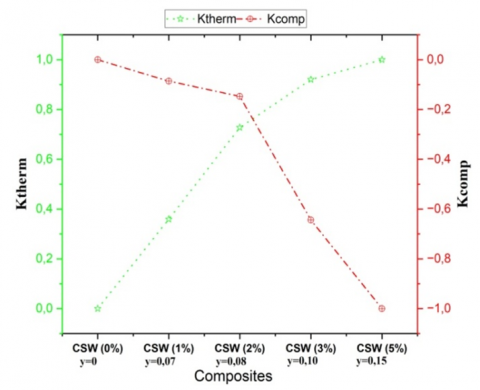
We proceeded with the analysis of the additional numbers Ktherm and Kcomp obtained from Eqs. (2) and (3).
The dimensionless number Ktherm was calculated with the value of properties λcomp, measured for each volume fractions of additives, spoting with the minimum and maximum values λmin and λmax of all samples, idem for Kcomp.
$K_{{therm }}=\frac{\frac{1}{\lambda_{ {comp,measured }}}-\frac{1}{\lambda_{max }}}{\frac{1}{\lambda_{min }}-\frac{1}{\lambda_{max }}}$ (2)
$K_{{comp }}=\frac{R_{{comp,measured }}-R_{{comp,min }}}{R_{{comp,max }}-R_{{comp,min }}}$ (3)
λcomposite measured: the thermal conductivity of the composite, expressed (W.m-1K-1);
Rcomp measured: compressive strength expressed in (MPa).
The analysis of the graph in Figure 13 takes into account both the thermal and mechanical properties of the composites, with the aim of choosing the optimum thermomechanical behavior to propose the appropriate application choice for the composite.
Figure 13. Non-dimensional analysis of thermal and mechanical properties
The CSW (1%) composite has mechanical properties under compression similar to those of ordinary concrete, with a compressive strength of 24.33 MPa and an insulation gain of about 21%, which makes it suitable for application in the form of solid load-bearing walls or solid brick blocks.
The CSW (3%) and CSW (5%) composites have thermal insulation gains of approximately 40% and 42%, respectively, while the compressive strength shows a considerable loss of around 62% compared to the strength of ordinary structural concrete, with values of 15 MPa and 9 MPa, respectively, which cannot be adopted for structural load-bearing applications and limits their use to partition walls in building envelopes; non-load-bearing interior distribution walls in the form of hollow blocks or solid blocks; or as infill elements on a load-bearing structural grid.
Moreover, the CSW composite (2%) possesses balanced properties in both mechanical and thermal aspects, with mechanical resistance close to ordinary concrete and an interesting thermal behavior with a gain of 34%. However, this composite can be adopted for applications in solid and insulating load-bearing walls or in hollow insulating and load-bearing bricks, which allows for improvements, unlike construction materials available on the market that target only one property. The thermal behavior of our structural envelopes for load-bearing facades helps avoid the need for insulation in the case of lightweight double-wall facades, which also allows for gaining building space in terms of surface area.
The results allowed us to see that the CSW composite (2%) is what guarantees this choice of optimal values of mechanical and thermal properties for cinder block bricks intended for the building envelope.
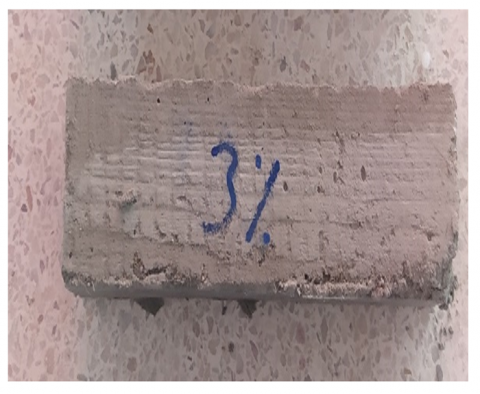
Figure 14 proposes a mold for the production of cinder block and its final outline with dimensions of 44 lengths, 20 heights, and 15 thicknesses.
Figure 14. Mold and bricks manufacturing 44 × 20 × 15 cm
Table 7 proposes a formulation of the composition of sheep's wool concrete with a mixing rate of 0.5 and an insulation percentage of 2%.
Cardinale et al. [13] concluded and confirmed that adding 2% of sheep wool to cement panels is the optimal proportion for composite materials. We note that our mechanical value for our cases is more interesting, and we concluded that the chemical treatment effect with a 1% NaOH solution improved the mechanical properties of the composite of light concrete. Further, Alyousef et al. [16] confirm that the results indicate that the optimum proportion for concrete is around 2-3% nontreated sheep wool and 0.5-1% modified sheep wool.
Table 7. Cinder block brick formulation composition proposal with 2% sheep wool additive W/B=0,5
|
Component |
Cement (g) |
Sand (g) |
Fiber Sheep Wool (g) |
Water (g) |
|
BSW (2%) |
7644 |
6067 |
126 |
3822 |
In order to have an idea on the cost-effectiveness or scalability of sheep wool composites, authors present a study of the cost of the treatment of fiber sheep wool; Table 8 shows the result. We conclude that the price for the treatment of 1 kg of the fiber wool is between €0.31/kg and €0.31/kg and note that the total cost of bricks of the composite concrete with 2% sheep is around €1.53/piece. illustrated in the study of cost Table 9.
Table 8. Study of the cost the treatment of fiber wool
|
Kind of Materials |
Quantity (g) |
Minimum Price |
Maximum Price |
|
Sheep wool [10] |
1000g |
3 |
5 |
|
NaOH 1% solution |
10g |
0.5 |
0.5 |
|
Sheep wool treated price (MAD)/kg |
|
3.5 |
5.5 |
|
Sheep wool treated price (euro €)/)/kg |
|
0.31 |
0.49 |
|
Sheep wool treated price (American dollar$)/kg |
|
0.35 |
0.55 |
Table 9. Study of cost of bricks 44 × 20 × 15 cm of composite concrete with 2% sheep wool additive W/B=0.5
|
Component of Unite Brick BSW (2%) |
Quantity (Kg) |
Estimated Price in (MAD) |
Total Cost in (MAD) |
|
Cement |
7.64 |
1.8DH |
13.75 |
|
Sand |
6.06 |
0.5DH |
3.03 |
|
Fiber sheep wool |
0.0126 |
0.55DH |
0.006 |
|
Water |
3.822 |
0.1DH |
0.38 |
|
Sum |
|
|
17.17 DH |
In this work, the authors are trying to develop a new composite of sheep's wool concrete. To be able to make the comparison, four ranges of sheep wool additive with sand substitution percentages were proposed: 1%, 2%, 3%, and 5%, which led to volume fractions of the fiber ranging from 0.07 to 0.15 out of the reference.
A morphological study was carried out on sheep wool treated with a lower rate ratio of 1% NaOH solution compared to untreated wool to determine the effect of treatment on the fiber. The result of SEM images and EDX analysis shows that this treatment helps to clean the surface of the fiber and reduce lipid contamination, which leads to the formation of high C-S-H gels, improved micro-pores, and reduced gaps in fibrous concrete, which improves the adhesion contact between the matrix concrete and wool. This allows us to validate the type of treatment proposed.
Then a thermo-mechanical characterization was performed using the hot plate method to determine thermal conductivity and a machine test to establish compression and flexion strength.
The incorporation of treated sheep wool within composites of light concrete allows a significant gain, respectively, in terms of insulation at 42% and lightness at 16%; however, it decreases the compressive maximum by 5% and flexural strength with an improvement on the loss value of the flexural strength with increasing additives.
The recorded values of the compressive strength of the composite of 2% and 3% are interesting for the manufacture of load-bearing materials, such as concrete blocks for load-bearing walls.
An a-dimensional coefficient analysis of the thermal and mechanical properties allowed us to conclude that for the proportion between 3% and 5%, the composite of concrete and sheep wool cannot be adopted for structural load-bearing applications and limits their use to partition walls in building envelopes; non-load-bearing interior distribution walls in the form of hollow blocks or solid blocks; or as infill elements on a load-bearing structural grid despite its good thermal insulation behavior. While for a proportion of additives less than 2%, the composite can be used for application in the form of solid load-bearing walls or solid brick blocks with lower thermal insulation. However, the best proportion of the treated sheep wool additive that allows for optimal thermal and mechanical properties is 2% for applications in solid and insulating load-bearing walls or in hollow insulating and load-bearing bricks for structural envelopes for load-bearing facades, which helps avoid the need for insulation in the case of lightweight double-wall facades.
A manufacturing brick based on light concrete made from treated sheep wool; a proposal for the formulation as well as the size of this brick was made in order to enable the industry to then manufacture and the cost-effectiveness analysis of the brick.
Finally, authors proposed a perspective study for the long-term performance in the scale of the bricks or in the scale of the wall dimensions to judge stability under humidity and temperature cycles.
The authors are thankful to Ibn Zohr University in Agadir and Mohammed V University in Rabat.
|
Ktherm |
adimensional numbers on thermal proprieties |
|
Kcomp |
adimensional numbers on compressive strength |
|
Greek symbols |
|
|
ρ |
density (kg.m-3) |
|
ρcomp |
density of composite (kg.m-3) |
|
ρadd |
density of additive (kg.m-3) |
|
λ |
thermal conductivity (W.m-1.K-1) |
|
Subscripts |
|
|
comp |
compressive |
|
therm |
thermal |
|
add |
additive |
[1] Dénes, O., Florea, I., Manea, D.L. (2019). Utilization of sheep wool as a building material. Procedia Manufacturing, 32: 236-241. https://doi.org/10.1016/j.promfg.2019.02.208
[2] Ozerkan, N.G., Ahsan, B., Mansour, S., Iyengar, S.R. (2013). Mechanical performance and durability of treated palm fiber reinforced mortars. International Journal of Sustainable Built Environment, 2(2): 131-142. https://doi.org/10.1016/j.ijsbe.2014.04.002
[3] Maaloufa, Y., Mounir, S., Abdelhamid, K., El Harrouni, K. (2021). Influence of the kind and the shape of insulating materials on the mechanical properties of the composites plaster-granular cork and plaster-fiber alpha. Key Engineering Materials, 886: 241-255. https://doi.org/10.4028/www.scientific.net/KEM.886.241
[4] Ibn-Elhaj, S., Elhamdouni, Y., Mounir, S., Khabbazi, A. (2022). Thermomechanical characterization of a bio-sourced material based on clay and alfa fibers. Fluid Dynamics and Materials Processing, 18(6): 1853-1863. https://doi.org/10.32604/fdmp.2022.022531
[5] Hassan, T., Jamshaid, H., Mishra, R., Khan, M.Q., Petru, M., Novak, J., Hromasova, M. (2020). Acoustic, mechanical and thermal properties of green composites reinforced with natural fibers waste. Polymers, 12(3): 654. https://doi.org/10.3390/polym12030654
[6] Kriker, A., Debicki, G., Bali, A., Khenfer, M.M., Chabannet, M. (2005). Mechanical properties of date palm fibres and concrete reinforced with date palm fibres in hot-dry climate. Cement and Concrete Composites, 27(5): 554-564. https://doi.org/10.1016/j.cemconcomp.2004.09.015
[7] Parlato, M.C., Porto, S.M., Valenti, F. (2022). Assessment of sheep wool waste as new resource for green building elements. Building and Environment, 225: 109596. https://doi.org/10.1016/j.buildenv.2022.109596
[8] Bosia, D., Savio, L., Thiebat, F., Patrucco, A., Fantucci, S., Piccablotto, G., Marino, D. (2015). Sheep wool for sustainable architecture. Energy Procedia, 78: 315-320. https://doi.org/10.1016/j.egypro.2015.11.650
[9] Hetimy, S., Megahed, N., Eleinen, O.A., Elgheznawy, D. (2024). Exploring the potential of sheep wool as an eco-friendly insulation material: A comprehensive review and analytical ranking. Sustainable Materials and Technologies, 39: e00812. https://doi.org/10.1016/j.susmat.2023.e00812
[10] Mounir, S., Slaoui, M., Maaloufa, Y., Wardi, F.Z.E., Dodo, Y.A., Ibn-Elhaj, S., Khabbazi, A. (2024). Study of hygrothermal behavior of bio-sourced material treated ecologically for improving thermal performance of buildings. Journal of Renewable Materials, 12(5): 1007-1027. https://doi.org/10.32604/jrm.2024.049392
[11] Alyousef, R. (2022). Enhanced acoustic properties of concrete composites comprising modified waste sheep wool fibers. Journal of Building Engineering, 56: 104815. https://doi.org/10.1016/j.jobe.2022.104815
[12] Mounir, S., Maaloufa, Y., Abdelhamid, K., El Harrouni, K. (2021). Characterization of thermal inertia and footprint carbon of clay-wool, clay-cork, and clay-plastic composites. Key Engineering Materials, 886: 213-227. https://doi.org/10.4028/www.scientific.net/KEM.886.213
[13] Cardinale, T., Arleo, G., Bernardo, F., Feo, A., De Fazio, P. (2017). Thermal and mechanical characterization of panels made by cement mortar and sheep’s wool fibres. Energy Procedia, 140: 159-169. https://doi.org/10.1016/j.egypro.2017.11.132
[14] Gradinaru, C.M., Barbuța, M., Șerbanoiu, A.A., Babor, D. (2016). Investigations on the mechanical properties of concrete with sheep wool fibers and fly ash. Bulletin of the Transilvania University of Brasov. Series I-Engineering Sciences, 9(1): 73-80.
[15] Fiore, V., Di Bella, G., Valenza, A. (2020). Effect of sheep wool fibers on thermal insulation and mechanical properties of cement-based composites. Journal of Natural Fibers, 17(10): 1532-1543. https://doi.org/10.1080/15440478.2019.1584075
[16] Alyousef, R., Alabduljabbar, H., Mohammadhosseini, H., Mohamed, A.M., Siddika, A., Alrshoudi, F., Alaskar, A. (2020). Utilization of sheep wool as potential fibrous materials in the production of concrete composites. Journal of Building Engineering, 30: 101216. https://doi.org/10.1016/j.jobe.2020.101216
[17] Fantilli, A.P., Sicardi, S., Dotti, F. (2017). The use of wool as fiber-reinforcement in cement-based mortar. Construction and Building Materials, 139: 562-569. https://doi.org/10.1016/j.conbuildmat.2016.10.096
[18] Atbir, A., Boukhattem, L., Khabbazi, A., Cherkaoui, M., El Wardi, F.Z. (2024). Manuscript title: Optimal mix study of sustainable lightweight composite bricks incorporating clay, wool and cork materials using circular economy approaches. Renewable and Sustainable Energy Reviews, 206: 114851. https://doi.org/10.1016/j.rser.2024.114851
[19] Atbir, A., Khabbazi, A., Cherkaoui, M., Ibaaz, K., El Wardi, F.Z., Chebli, S. (2023). Improvement of thermomechanical properties of porous plaster reinforced with a network of Morocco sheep wool skeletons for Energy efficiency. Building and Environment, 234: 110171. https://doi.org/10.1016/j.buildenv.2023.110171
[20] Rippon, J.A. (2013). The structure of wool. The Coloration of Wool and Other Keratin Fibres, 1: 1-42. https://doi.org/10.1002/9781118625118.ch1
[21] Maaloufa, Y., Mounir, S., Ibnelhaj, S., El Wardi, F.Z., Souidi, A., Dodo, Y.A., Aharoune, A. (2024). Thermo-physical potential of recycled banana fibers for improving the thermal and mechanical properties of biosourced gypsum-based materials. Journal of Renewable Materials, 12(4): 843-867. https://doi.org/10.32604/jrm.2024.049942
[22] Félix, V. (2011). Caractérisation thermique de matériaux isolants légers. Application à des aérogels de faible poids moléculaire (Doctoral dissertation, Institut National Polytechnique de Lorraine).
[23] Jannot, Y., Felix, V., Degiovanni, A. (2010). A centered hot plate method for measurement of thermal properties of thin insulating materials. Measurement Science and Technology, 21(3): 035106. https://doi.org/10.1088/0957-0233/21/3/035106
[24] BSI, B. (2005). 196-1: 2005: Methods of testing cement-determination of strength. BSI, London, UK.
[25] Moore, K.E., Mangos, D.N., Slattery, A.D., Raston, C.L., Boulos, R.A. (2016). Wool deconstruction using a benign eutectic melt. RSC Advances, 6(24): 20095-20101. https://doi.org/10.1039/C5RA26516A
[26] Akinyemi, B.A., Dai, C. (2020). Development of banana fibers and wood bottom ash modified cement mortars. Construction and Building Materials, 241: 118041. https://doi.org/10.1016/j.conbuildmat.2020.118041