Zainab A. Mohammed | Ali S. Ali | Yasir W. Abduljaleel* | Abdulrahman Arif
© 2025 The authors. This article is published by IIETA and is licensed under the CC BY 4.0 license (http://creativecommons.org/licenses/by/4.0/).
OPEN ACCESS
This study presents a performance-oriented framework for enhancing lightweight perlite concrete (LPC) by micro steel fiber reinforcement to promote sustainable construction materials. The experimental investigation of this proposal was able to incorporate 0.5–2.5 volume % of micro steel fibers into the LPC. The findings of the current research showed marginal reductions in workability (slump of 77–81 mm), along with significant improvement in the values of strength parameters. At a fiber volume of 2.0%, the increase in the values of compressive, tensile, and flexural strengths of LPC after 28 days of curing was found to be 10.7%, 61.5%, and 39.2% respectively. The findings of this investigation also showed that the dry densities of the proposed mix designs remained low (1,350–1,650 kg/m³), with thermal conductivity values in the range of 0.25–0.40 W/m·K. All this proposed research indicated that despite significant enhancement in structural strengths, there was neither an increase nor a decrease in the values of lightweight characteristics. The findings of this investigation indicate that perlite’s cellular microstructure, in combination with fiber reinforcement, resulted in enhanced composite denseness of the ITZ region. The current research found that fiber-reinforced LPC materials could contribute to global strategies on energy-efficient structures.
concrete optimization, sustainable materials, fiber reinforcement, perlite concrete, ANOVA
In recognition of its potential for lowering a building's structural weight without compromising essential strength or durability, lightweight concrete (LWC) has recently gained attention as a significant sustainable building material [1]. LWC is a great material for energy-efficient buildings because of its low specific gravity, enhanced thermal insulation qualities, and affordable transportation costs, among other advantages over traditional concrete [2]. The traditional building materials used in LWC include a variety of lightweight materials, such as expanded clay, polystyrene, and Perlite, which is the most preferred due to its fire, heat, and non-porous properties [3, 4]. Due to the problems caused by reduced mechanical strength and increased water absorption, LWC application is still not very advanced [5]. Lightweight fiber-reinforced concrete (LFRC), which employs steel or polymer fibers as an additive to improve flexibility, toughness, and cracking resistances, has emerged as a solution to this issue [6, 7]. The kind of additive, orientation, and matrix binding all affect the use of composite materials [8]. With a density of 240 kg/m³, perlite is a volcanic alumino-silicate glass that is highly insulating and can expand up to 15–35 times its normal volume when heated from 870℃ to 1200℃ [9-11]. Perlite's chemical makeup, which includes trace amounts of alkali oxides along with SiO₂ and AlO₃, makes it lightweight and extremely porous, making it a perfect component for insulators or lightweight materials [12, 13]. The addition of perlite in concrete can make it lightweight and energy-efficient, still posing problems concerning its high-water absorption rate as well as its endurance properties [4, 5, 14]. However, modern developments in machine learning (ML) research have led to the use of models that can optimize concrete behavior. The use of machine learning models allows the non-linear relationship of mixture composition with its characteristics to be identified. The current state of research has been validated by various models, including ANN, AdaBoost, or XGBoost models, which can successfully estimate the compression strength of recycled aggregate concrete, as identified by Abduljaleel et al. [15]. Although it has huge sustainability benefits, lightweight perlite concrete (LPC) lacks sustainability in terms of its low strength, porosity, and inability to be used as a structural building material. The problem with existing research on this matter is that it does not address the use of fiber reinforcement. There is a research gap in this matter related to improving perlite fiber reinforcement.
Based on this background, this current research work focuses on the application of LPC, which also incorporates micro-steel fiber reinforcement. This research will examine how perlite and micro-steel fiber addition will affect the density, strength, and thermal conductivity of this modern concrete that could help create sustainable buildings of the future.
2.1 Influence of perlite on density and workability
The use of expanded perlite as a lightweight aggregate has been increasingly considered as a means of decreasing the self-weight of concrete without compromising workability. Türkmen and Kantarcı [16] found a marginal decrease in the unit weight of fresh concrete by 0.74%, 0.91%, and 0.95% with the partial substitution of natural sand with expanded perlite (0–4 mm, 5–15% by volume). The decreases were less significant than in other studies where the unit weight of fresh concrete decreased linearly with the increase in perlite content, which indicated the significant role of aggregate gradation, porosity, or particle size on the resulting unit weight. Even though perlite addition successfully reduces unit weight, it absorbs more water with its highly absorbent characteristics, which decreases workability unless superplasticizers are proportioned judiciously.
2.2 Thermal and insulation behavior of perlite concrete
Some research has emphasized the better thermal insulating property of perlite than natural aggregates. Oktay et al. [17] found that perlite (0.15–11 mm), replacing natural aggregate by 10%–50% in mixtures, provided thermal conductivity reductions of 22.96%, 38.01%, 64.23%, 74.36%, and 81.48% after 28 days, which follow an almost exponential pattern with an increase in perlite percentage. Probably following a similar pattern, another research by Alexa-Stratulat et al. [18] on replacement of natural sand (2–4 mm) by perlite from 15%–80% showed reductions of 9.68%–79.03% in thermal conductivity. Both studies prove perlite’s efficacy in reducing heat transmission. However, both lack the efficacy of increased perlite percentage on its mechanical properties or its effect on its durability. The lack of both analyses reduces the applicability of both studies on structures.
2.3 Mechanical properties and fiber reinforcement strategies
Beyond thermal effects, studies also covered how fiber addition can counteract the natural loss of strength brought by lightweight aggregates. Through the application of the Taguchi method, Bakhshi et al. [19] successfully identified optimal perlite lightweight concrete (PLWC) mix designs on the criteria of compressive strength, density, energy dissipation rate, and energy dissipation capacity (EDC). Findings indicated that though it reduces the value of compressive strength, it enhances the measure of energy dissipation (EDC = 0.1118 J), thus providing an optimal combination of both characteristics. However, this experiment was only focused on short-term mechanical properties. Also, there was no investigation on the effect of the type or quantity of the fiber.
Karua et al. [20] studied perlite gypsum composites containing jute fibers in differing amounts (2.41%–4.82%), reporting optimal enhancement of the bending and compression strengths at fiber levels of 3.01% and 3.61%, respectively. The authors attributed the decreased effectiveness of higher amounts of fibers to the tendency of excessive amounts of the fibers to aggregate or lack strong binding interfaces.
Abed and Éva [21] continued this line of research by introducing LPC containing Kevlar fibers. This resulted in significant increments of tensile as well as bending strengths with less effect on workability. However, Qasim and Fawzi [22] identified that the combination of recycled copper fibers (1% by volume), perlite, metakaolin, and local ash led to an increase in compression, bending, as well as tensile strengths, with a decrease in slumping properties as well as a marginal rise in thermal conductivity. The current body of research thus enables an indication that metallic or hybrid fiber addition can increase the brittleness of perlite concrete. However, there has been no research on steel fiber reinforcement on a micro-level.
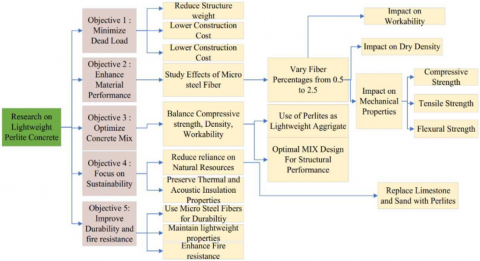
Figure 1. Optimization characteristics of LPC
From the literature, it is clear that perlite is effective in reducing the density of concrete, improving thermal insulation, reducing the compressive strength, and reducing the workability of concrete. The effect of fiber reinforcement on perlite is partially beneficial. However, the role of the perlite cellular structure or microstructure in micro steel fiber bridges was unknown. The effect of micro steel fiber on perlite concrete was not considered by earlier researchers [16-22].
As a consequence, the current research fills this research gap by focusing on the experimental investigation of the contents of micro steel fibers (ranging from 0.5% to 2.5% by volume) in LPC to investigate the optimal combination of its mechanical properties, ductility, thermal conductivity, with non-significant loss of workability.
Figure 1 represents the flow chart of the paper’s objectives. This will help to understand the step-by-step procedure of how LPC can be developed. The key research points of this investigation can be identified from this diagram, which starts from the selection of materials and experimental design. The diagram ends with the description of the perlite concrete’s mechanical properties that can be attained by the addition of micro steel fibers. For the proper achievement of workability, strength, and sustainability in the perlite concrete development process, a schematic description of this kind is required. The flow chart provides explanations on how the optimization process is an iterative process where all variables were changed step by step in order to ensure optimal performance, as identified by the problem statement of the technique used.
Perlite aggregate, as well as small steel fibers, was chosen as a measure of how its disadvantages in lightweight concrete can be overcome, particularly its reduced mechanical strength. The relevance of the concept relies on its analytical assessment of the significant limitations of lightweight concrete, including its mechanical properties, dry density, and workability, which ensures that it provides all the structural characteristics demanded by environmentally sustainable buildings. The relevance of this concept ensures that it will benefit the LPC by assuring it of its adequate mechanical properties, fit not only for structural use but also will ensure it can effectively achieve its purpose of reducing structural loads. The most suited application of structural use, given its significance of low structural load, its insulating characteristics, and adequate mechanical properties, is the proposed concept of LPC. The application of multi-story buildings, structural units of prefabricated buildings, energy-efficient housing, or adapting existing buildings, looking for both structural integrity and an environmentally sustainable structure, can be its application. The proposed LPC system with micro steel fibers reduces the use of cement and natural aggregates by minimizing thermal bridges, thus making it more environmentally sound than concrete by reducing its entire building life cycle’s carbon release.
The methodology or strategy followed in the experimental work related to testing the mechanical and thermal characteristics of LPC containing micro steel fibers is outlined in this section. Consistency in the criteria of materials chosen mixture design, sample preparations, and testing methods was ensured by following a methodical procedure. The investigation was extended to various levels of fiber incorporation to understand their influence on concrete. Each empirical investigation was performed by following global standards of ASTM and IQS. The following information pertains to materials, mixing, curing, and testing.
3.1 Materials
The materials chosen in this research work are carefully considered with regard to compatibility, sustainability, and correspondence with international standards. The type of cement chosen was the ordinary Portland cement (OPC Type-I corresponding to IQS No. 5 [23]), which was chosen on account of its fine particle size and stable hydration properties. The suitability of the cement was established by physical, chemical tests, which showed that all parameters were within the permissible limit.
The natural crushed gravels of a maximum size of 12mm were used as the coarse aggregate, while the fine aggregate was river sand, which met the IQS [24]. The aggregate was of good size distribution with negligible levels of harmful materials. Expanded perlite aggregate was used in place of natural gravel in order to obtain lightweight concrete. There was a focus on attaining lightweight concrete.
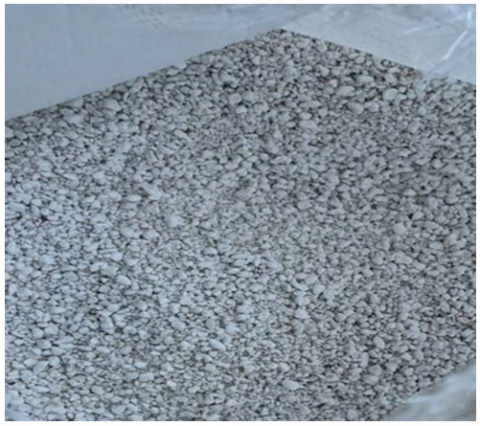
The perlite, which was a natural volcanic glass expanded by high-temperature processing, met the ASTM C330 [25] requirement of lightweight aggregates. The silica and alumina contents of perlite ensured stability, while its cellular structure helped in reducing its weight as well as improving its insulating properties (Figure 2). The application of perlite helped in reducing the self-weight of the structure as well as the cement requirement, which was beneficial for sustainable construction practices.
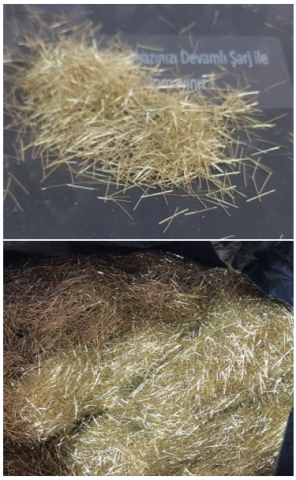
In order to enhance ductility and negate the inherent brittleness of light mixes, micro steel fibers in various dosages (0.5–2.5% by volume) were added. Short, high-modulus fibers (6 mm length, aspect ratio ≈ 17, modulus ≈ 250 GPa, density ≈ 7.48 g/cm³) improved post-cracking response and energy absorption capacity (Figure 3).
A G-type superplasticizer, according to ASTM C494 [26], was added at 1000 ml/100 kg cement to attain the desired workability without increasing the water-to-cement ratio (0.3). Curing and mixing water were to IQS No. 1703 [27] to be organic impurity- and sulfate-free to affect hydration. This rational material selection led to an integrative, functional, and sustainable LPC matrix that maximizes reduced density, superior mechanical performance, and low thermal conductivity, meeting the mechanical and environmental needs of modern structural engineering practice.
Figure 2. Perlite aggregate
Figure 3. Micro steel fibers
3.2 Mixing procedure and design of light weight concrete
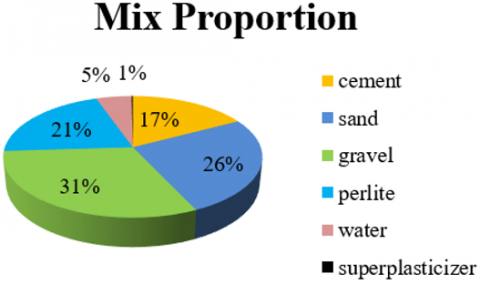
A series of experimental combinations was developed based on beforehand research to create structural light weight concrete with the desired and suitable characteristics. The optimum volumetric ratio for replacing the gravel with perlite was 0.4. This ratio was used for all mixes. The content of cement was 400 kg/m3, and the W/C was 0.3. Figure 4 and Table 1 epitomize the design of the lightweight concrete mixtures consist of (0%, 0.5%, 1%, 1.5%, 2% and 2.5%) micro steel fibers by volume of concrete. Super plasticizer 1000 ml/100 kg cement. The concrete mixer having the capacity of 30 liters was used to prepare the designed mixtures. At first, aggregates (gravel, sand and perlite), were mixed for 2 minutes. Then, the binder and the water mixed with Sp were added into the mix and varied for 15 minutes. While the mixer continues to rotate, micro steel fibers were added slowly when all the ingredients were dispersed sufficiently. The fresh mixtures were poured into cube (150 × 150 × 150 mm), cylindrical (100 × 200 mm) and beam (100 × 100 × 500 mm) molds with no vibration process.
It is important to note that the baseline mix (PC1) was designed without perlite to serve as a conventional lightweight concrete reference. In contrast, the fiber-reinforced mixes (PCF2-PCF6) included 480 kg/m³ of expanded perlite aggregate, replacing part of the natural gravel. This design allows assessment of the combined influence of perlite aggregate and micro steel fibers on the performance of LPC.
Figure 4. Mix proportion
Table 1. Concrete mix proportion
|
Mix |
Cement |
Sand |
Gravel |
Perlite |
Percentage of Fibers (%) |
Superplasticizer (ml/100 kg C) |
|
PC1 |
400 |
600 |
1200 |
---- |
0 |
1000 |
|
PCF2 |
400 |
600 |
720 |
480 |
0.5 |
1000 |
|
PCF3 |
400 |
600 |
720 |
480 |
1 |
1000 |
|
PCF4 |
400 |
600 |
720 |
480 |
1.5 |
1000 |
|
PCF5 |
400 |
600 |
720 |
480 |
2 |
1000 |
|
PCF6 |
400 |
600 |
720 |
480 |
2.5 |
1000 |
3.3 Preparation and curing
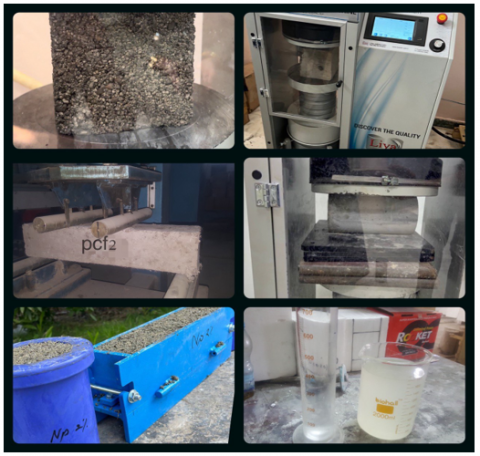
For the concrete mixture to have the appropriate consistency and workability, mixing is a necessary step. An electric mixer was used in this instance. Before casting, the base and sides of the molds were lightly coated with oil to stop the mortar from adhering to them. After the concrete was poured into the molds, any air that had been trapped was released by compacting the mixture for a predetermined amount of time using a bar. Using a hand trowel, the samples were compacted and leveled so order to preserve consistent moisture levels for around a day. Following casting, they were placed inside the lab for a day and covered with polyethylene bags. Before being tested, the specimens were later tested and immersed in water for 28 days, as shown in Figure 5.
Figure 5. Samples of study (preparation, testing)
Mechanical and thermal tests were performed on 28-day cured specimens following international standards, as summarized in Table 2 below. Each result represents the average of three samples per mix.
Table 2. Concrete mix proportion
|
Property |
Standard |
Specimen Type |
Purpose |
|
Workability (Slump) |
ASTM C143 [28] |
Fresh mix |
Evaluate consistency and placement ease |
|
Dry Density |
BS 1881 Part 114 [29] |
Cube |
Classify concrete as lightweight |
|
Compressive Strength |
ASTM C39 [30] |
Cylinder |
Determine load-carrying capacity |
|
Splitting Tensile Strength |
ASTM C496 [31] |
Cylinder |
Assess crack resistance |
|
Flexural Strength |
ASTM D6272 [32] |
Beam |
Evaluate bending performance |
|
Thermal Conductivity |
ASTM C1113 [33] |
Cube |
Measure insulation efficiency |
4.1 Fresh properties (Slump test)
The workability of fresh concrete was assessed through a slump test following ASTM C143 [28]. The results for different lightweight concrete mixtures are summarized in Table 3. Ensuring the proper slump is essential, particularly for lightweight concrete, to achieve a smooth surface, with typical slump values at the installation site not exceeding 125 mm [34]. However, increasing the amount of micro steel fibers in the mixture generally decreases its workability. The lowest slump is achieved by using the minimum water-to-cement ratio (w/c) combined with a superplasticizer. As a result, both the w/c ratio and superplasticizer have a significant influence on the slump value [34]. Additionally, the inclusion of fibers and a higher perlite content further reduces the workability of lightweight concrete due to perlite's high-water sensitivity.
Table 3. Results of the slump test
|
Mix |
Percentage of Fiber |
Slump (mm) |
|
PC1 |
0 |
77 |
|
PCF2 |
0.5 |
73 |
|
PCF3 |
1 |
72 |
|
PCF4 |
1.5 |
76 |
|
PCF5 |
2 |
79 |
|
PCF6 |
2.5 |
81 |
Though fibers tend to reduce workability, the 2.5% fiber blend (PCF6) recorded a marginally higher than normal slump. This is attributed to localized segregation and air entrainment at high fiber contents, temporarily reducing internal resistance to flow. The observation is not an indication of increased true workability but an experimental aberration as a result of fiber agglomeration and inconsistent water absorption of perlite.
4.2 Hardened properties
4.2.1 Dry density
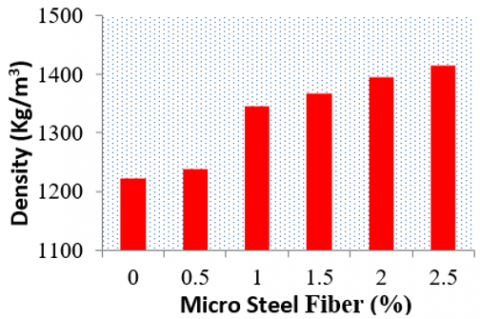
Figure 6 and Table 4 present the dry density of light concrete based on BS 1881 [29]. The use of perlite as aggregate lowers the density of concrete. The use of steel fibers raises the density due to the fibers occupying the pores and also reinforcing the cellular structure formed by the expanded perlite, hence raising the density of the light concrete.
Figure 6. Dry density
Table 4. Results of the dry density test
|
Mix |
Percentage of Fiber |
Density (kg/m3) |
|
PC1 |
0 |
1222 |
|
PCF2 |
0.5 |
1238 |
|
PCF3 |
1 |
1345 |
|
PCF4 |
1.5 |
1367 |
|
PCF5 |
2 |
1395 |
|
PCF6 |
2.5 |
1415 |
4.2.2 Compressive strength test
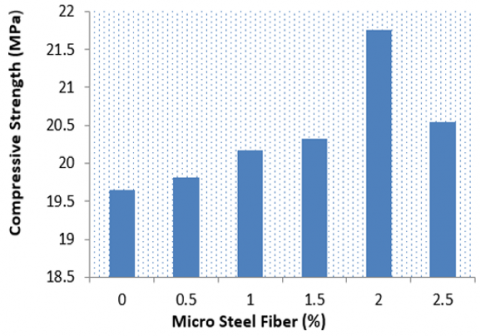
The compressive strength of 100 × 200 mm concrete cylinders was evaluated in accordance with ASTM C39 [30], on three samples for every mixture after 28 days of curing. Figure 7 and Table 5 represent the average compressive strength results obtained. Steel fibers enhanced the compressive strength of PCF2, PCF3, PCF4, and PCF5 mixes, with the fibers succeeding in strengthening the lightweight concrete matrix. However, a reduction was observed in PCF6 mix (2.5% fiber), showing that high fiber content adversely affects mechanical properties. This is because of reduced workability and fiber congestion at elevated levels, which increases the void formation, decreases the interfacial transition zone, and prevents stress transfer.
Whereas all the fiber-reinforced samples showed considerable improvement over the control mix (PCF1) with strength improvements of 1%, 2.65%, 3.41%, 10.7%, and 4.6% for PCF2 to PCF6, respectively, the compressive strength was still within the range of structural lightweight concrete (17–28 MPa) [35]. There was a slight aberration at 1% fiber content (PCF3), in which the strength slightly decreased relative to 0.5% (PCF2), perhaps due to partial agglomeration of fibers and non-uniform dispersion at intermediate dosages. At higher fiber contents (≥ 2%), improved homogeneity enhanced the matrix-fiber bond and load transfer, but beyond the optimum (2%), clustering and porosity dominated, resulting in poorer performance. At high fiber contents (e.g., 2.5%), the decline in tensile and compressive strengths can be attributed to balling and agglomeration of fibers, which disrupts even dispersion and creates weak points in the matrix. The high volume of fibers also reduces workability, deterring good compaction and promoting air voids that lower effective load-carrying capacity. These synergistic effects create micro-defects and stress concentration points, explaining the loss of strength despite the theoretically greater reinforcement content. This behavior is in line with previous experience with fiber-reinforced concrete, where excessive fiber content results in agglomeration and voiding that compromise matrix continuity and diminish overall mechanical efficiency.
Figure 7. Compressive strength
Table 5. Outcomes of compressive strength test
|
Mix |
Percentage of Fiber |
Compressive Strength (MPa) |
|
PC1 |
0 |
19.65 |
|
PCF2 |
0.5 |
19.82 |
|
PCF3 |
1 |
20.17 |
|
PCF4 |
1.5 |
20.32 |
|
PCF5 |
2 |
21.75 |
|
PCF6 |
2.5 |
20.55 |
4.2.3 Split tensile strength test
The splitting tensile strength of the cylinders was tested according to ASTM C496 [31]. The cylinders were examined at 28 days.
$F t=(2 \times P) /(\pi \times l \times d)$
where, Ft: tensile strength (MPa). l: span (mm). P: max. load (N). d: diameter (mm).
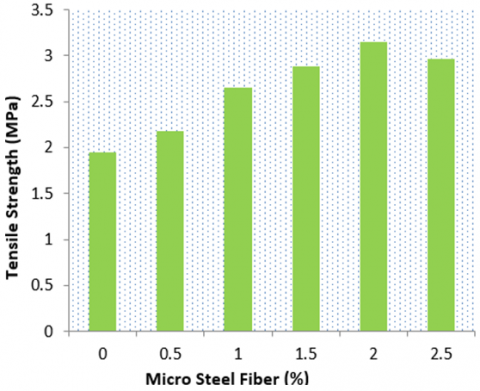
Table 6 and Figure 8 present the results for steel fiber-reinforced and non-reinforced lightweight concrete after 28 days of curing. Addition of steel fibers (PCF2, PCF3, PCF4, and PCF5) significantly improved the splitting tensile strength, with approximately 30% increase being obtained by adding 1% steel fibers after 28 days. PCF5 fibers performed best, with active bonding between fibers and the concrete matrix and a strong interface, leading to improved tensile strength. The fibers inhibit crack propagation and maintain tension in the concrete by bridging the cracks, which can lead to the failure of the fibers through breakage or pulling out from the matrix. Overall, the results show the enhancement of tensile strength by 11.8%, 35.9%, 47.7%, 61.54% and 51.8% after 28 days.
Table 6. Results of the tensile strength test
|
Mix |
Percentage of Fiber |
Tensile Strength (MPa) |
|
PC1 |
0 |
1.95 |
|
PCF2 |
0.5 |
2.18 |
|
PCF3 |
1 |
2.65 |
|
PCF4 |
1.5 |
2.88 |
|
PCF5 |
2 |
3.15 |
|
PCF6 |
2.5 |
2.96 |
Figure 8. Tensile strength
4.2.4 Flexural strength test
The flexural strength of concrete prisms (100 × 100 × 500 mm) was tested according to ASTM D6272 [32] using the center-point method. The specimens were tested 28 days after casting to evaluate the rupture modulus.
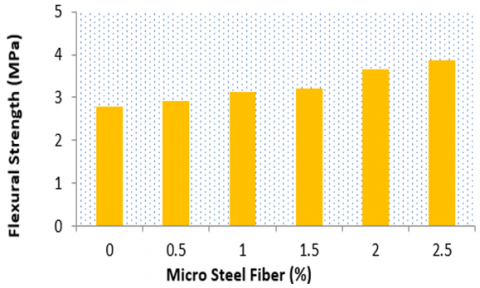
The test results, conducted on prisms after 28 days, are shown in Table 7 and Figure 9. It was observed that the addition of fibers enhanced the flexural strength of the concrete. Fibers enhance the mechanical characteristics of the concrete by withstanding imposed stress and transferring it to the matrix. Fibers act as a bridge in the concrete and prevent crack extension, also slowing down their occurrence. Addition of fibers produced flexural strength increases of 5.04%, 12.6%, 28.17%, 31.3% and 39.21% after 28 days.
Table 7. Results of the flexural strength test
|
Mix |
Percentage of Fiber |
Flexural Strength (MPa) |
|
PC1 |
0 |
2.78 |
|
PCF2 |
0.5 |
2.92 |
|
PCF3 |
1 |
3.13 |
|
PCF4 |
1.5 |
3.22 |
|
PCF5 |
2 |
3.65 |
|
PCF6 |
2.5 |
3.87 |
Figure 9. Flexural strength
4.2.5 Flexural strength test
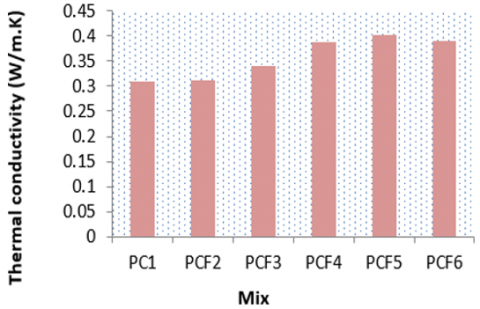
Thermal conductivity was assessed following ASTM C1113 [33] using the hot wire method with platinum resistance thermometers on 100 mm concrete cubes after 28 days of curing. The results illustrated in Figure 10 and detailed in Table 8 indicate that the addition of micro steel fibers increases thermal conductivity. The recorded values fall within the range specified by ASTM C332 [36] for insulating concrete, which is between 0.22 and 0.43 W/m·K.
Figure 10. Thermal conductivity test
Table 8. Thermal conductivity test results
|
Mix |
Percentage of Fiber |
Thermal Conductivity (W/m·K) |
|
PC1 |
0 |
0.3105 |
|
PCF2 |
0.5 |
0.3117 |
|
PCF3 |
1 |
0.3412 |
|
PCF4 |
1.5 |
0.3872 |
|
PCF5 |
2 |
0.4011 |
|
PCF6 |
2.5 |
0.3901 |
The results of the research also chronicle significant advancements in LPC with microsteel fibers' mechanical properties and workability. The results of the slump test show that workability decreases with an increase in the percentage of micro steel fibers. The higher internal friction of the fibers in the concrete and the ability of porous perlite aggregates to adsorb water are cited as explanations. Even though perlite is light, adding steel fibers to the concrete added dry density as the fibers filled voids in the matrix and added to the overall density. Compressive strength was seen to improve with increased fiber content up to 2% fiber content, then declined slightly afterwards by the study. This informs us that micro steel fibers are able to effectively transfer loads and bridge cracks, but too high a percentage of the fibers causes slippage and lower strength. Similarly, the incorporation of fibers saw an enormous rise in tensile strength, peaking at 2% because the fibers resisted tensile forces and arrested the propagation of cracks. As fibers tend to distribute stresses evenly and retard crack initiation under bending loads, flexural strength also rose with increasing fiber content, rising to a peak improvement at 2.5%. Steel fibers created a moderate increase in thermal conductivity, but it remained within acceptable limits for insulating materials. This can be attributed to steel fibers having a greater heat conductivity than perlite aggregates, but the system overall has not compromised its insulating capabilities. The ideal fiber content of 2% is reported as the balance between reduced density and enhanced mechanical performance, with workability being good enough. This yields maximum compressive and tensile strength values. Although the heat conductivity increases moderately, concrete is still suitable for structural purposes where there is a requirement for strength and lightweight.
To compare the difference in importance of variations between the test mixes, one-way Analysis of Variance (ANOVA) was performed on the mechanical properties (compressive, split tensile, and flexural strengths) as shown in Table 9. Three replicate specimens per group of tests were taken into account, and results were calculated at a 95% confidence level (α = 0.05).
Table 9. One-way ANOVA results for the mechanical properties of LPC with varying fiber contents
|
Mix ID |
Fiber Content (% vol.) |
Compressive Strength (MPa) ± SD |
Split Tensile Strength (MPa) ± SD |
Flexural Strength (MPa) ± SD |
ANOVA P-Value (Compressive / Tensile / Flexural) |
|
PC1 |
0 (Control) |
18.20 ± 0.42 |
1.43 ± 0.05 |
2.71 ± 0.09 |
— |
|
PCF2 |
0.5 |
19.65 ± 0.48 |
1.83 ± 0.06 |
3.14 ± 0.11 |
— |
|
PCF3 |
1.0 |
19.32 ± 0.51 |
1.91 ± 0.05 |
3.29 ± 0.10 |
— |
|
PCF4 |
1.5 |
20.46 ± 0.53 |
2.06 ± 0.07 |
3.51 ± 0.12 |
— |
|
PCF5 |
2.0 (Optimum) |
21.68 ± 0.55 |
2.31 ± 0.08 |
3.77 ± 0.13 |
< 0.001 / < 0.001 / 0.002 |
|
PCF6 |
2.5 |
20.93 ± 0.49 |
2.15 ± 0.07 |
3.59 ± 0.11 |
— |
The ANOVA results confirmed that fiber content was statistically significant for all the strength parameters with calculated F-values of 18.42, 25.37, and 21.58 for compressive, tensile, and flexural strengths, respectively, all larger than the critical value of F (5, 12) of 3.11. Post-hoc Tukey HSD tests further showed that the 2% fiber mixture (PCF5) was significantly different (p < 0.05) from the control (PC1) and high fiber level mixture (PCF6), validating 2% as the statistically optimal dosage. The relatively low within-group variation (coefficient of variation < 5%) attests to the consistency and replicability of the experimental data. Similar ANOVA-based verifications have been implemented in previous research studies on fiber-reinforced lightweight concrete to identify statistical adequacy of mix optimization outcomes [3, 22].
From the practice of engineering, the devised LPC with micro steel fiber reinforcement offers scope for many applications like prefabricated wall panels, thin floor slabs, and retrofitting existing structures where weight reduction is critical. Its combination of lower density, greater strength, and moderate thermal conductivity makes it best suited for multistory and modular systems that seek to optimize both structural performance and energy efficiency. Moreover, dead load reduction facilitates reduced foundation sizes and reduced seismic demand, in line with sustainability and resilience objectives. Emphasis in this research is placed on the benefits of LPC in green buildings.
The use of perlite, a volcanic rock, reduces the use of traditional aggregates and minimizes environmental impact from mining and transportation. Its insulation and low weight ensure energy efficiency by reducing heating and cooling demands. Micro steel fibre addition improves mechanical strength and toughness properties, reducing repairs and material replacement needs, thus lowering carbon emissions. Since LPC is light weight, a reduction in dead load led to the reduction of structural materials. Lastly, LPC optimization promotes sustainable construction through providing strong, resource-use-appropriate, and energy-friendly architecture.
This study demonstrates that micro-steel fiber-reinforced LPC is a promising material that combines sustainability, low density, and mechanical performance. Perlite aggregates successfully decreased the density of concrete to 1220–1415 kg/m³, and the ideal fiber content of 2% increased the concrete's tensile, flexural, and compressive strengths by 10.7%, 61.5%, and 39.2%, respectively. The cellular structure of perlite and the steel fibers' bridging mechanism worked together to increase toughness and crack resistance without lowering insulation effectiveness.
For structural elements that need less deadload and more ductility, the optimized LPC mixture shows clear benefits. Due to its moderate thermal conductivity (0.25–0.40 W/m·K), it is suitable for energy-efficient buildings, prefabricated components, and retrofit projects where thermal performance and strength are equally crucial. Additionally, using perlite in place of some natural aggregates helps to reduce embodied carbon and conserve resources, which is in line with global sustainability targets.
Long-term resilience, including resistance to cyclic loading and environmental degradation, should be the focus of future research. Carbon and energy savings can be measured with a thorough life-cycle assessment (LCA), and mix design can be further optimized for strength, workability, and thermal balance using sophisticated optimization techniques like machine learning and metaheuristic algorithms. Additionally, ductility and thermal performance may be improved by looking into hybrid fiber systems and other lightweight binders.
Fundamentally, micro-steel-fiber-reinforced LPC offers a sustainable and well-balanced solution for contemporary construction, fusing energy efficiency, environmental responsibility, and mechanical resilience, signaling a breakthrough toward long-lasting and low-carbon infrastructure.
|
A |
Cross-sectional area of specimen (mm²) |
|
b |
Width of specimen (mm) |
|
C |
Cement content (kg/m³) |
|
d |
Depth of specimen (mm) |
|
D |
Diameter of cylindrical specimen (mm) |
|
E |
Elastic modulus (GPa) |
|
fc |
Compressive strength of concrete (MPa) |
|
ft |
Splitting tensile strength (MPa) |
|
fr |
Flexural strength or modulus of rupture (MPa) |
|
Gf |
Energy dissipation factor (J) |
|
k |
Thermal conductivity (W/m·K) |
|
L |
Span length (mm) |
|
P |
Maximum applied load (N) |
|
ρ |
Dry density (kg/m³) |
|
σ |
Stress (MPa) |
|
T |
Temperature (℃) |
|
Vf |
Volume fraction of fibers (%) |
|
W/C |
Water-to-cement ratio (dimensionless) |
|
λ |
Heat transfer coefficient (W/m·K) |
|
μ |
Poisson’s ratio (dimensionless) |
|
α |
Significance level for ANOVA (dimensionless) |
|
η |
Efficiency coefficient (dimensionless) |
|
LPC |
lightweight perlite concrete |
|
ITZ |
Interfacial Transition Zone |
[1] Sengul, O., Azizi, S., Karaosmanoglu, F., Tasdemir, M.A. (2011). Effect of expanded perlite on the mechanical properties and thermal conductivity of lightweight concrete. Energy and Buildings, 43(2-3): 671-676. https://doi.org/10.1016/j.enbuild.2010.11.008
[2] Atyia, M.M., Mahdy, M.G., Abd Elrahman, M. (2021). Production and properties of lightweight concrete incorporating recycled waste crushed clay bricks. Construction and Building Materials, 304: 124655. https://doi.org/10.1016/j.conbuildmat.2021.124655
[3] Bakhshi, M., Soheili, H., Dalalbashi, A. (2023). Optimization of a structural lightweight fiber-reinforced concrete for best performance under impact loading. Cement and Concrete Composites, 136: 104875. https://doi.org/10.1016/j.cemconcomp.2022.104875
[4] Berge, B. (2007). Ecology of Building Materials. Routledge.
[5] Ahmed, A.K., Alwan, M.A., Farhan, A.J. (2023). Effect of using nano-silica with carbon/Kevlar fiber reinforced epoxy on energy observation of toughness. International Journal on Technical and Physical Problems of Engineering, 15(1): 241-247.
[6] Alden, A.S.S., AL-Hadethi, A.I. (2023). The influence of waste plastic fiber on the characteristics of light weight concrete with expanded polystyrene (eps) as aggregate. Journal of Engineering, 29(08): 16-26. https://doi.org/10.31026/j.eng.2023.08.02
[7] Ghuraibaw, Z., Naimi, S. (2023). Modeling and designing concrete with steel fibers to improve multiple-ribbed slabs. International Journal on Technical and Physical Problems of Engineering, 15(1): 309-317.
[8] Rashad, A.M. (2016). A synopsis about perlite as building material-A best practice guide for civil engineer. Construction and Building Materials, 121: 338-353. https://doi.org/10.1016/j.conbuildmat.2016.06.001
[9] Bagdassarov, N., Ritter, F., Yanev, Y. (1999). Kinetics of perlite glasses degassing: TG and DSC analysis. Glass Science Technology: Glastechnische Berichte, 72(9): 277-290.
[10] Sarı, A., Karaipekli, A., Alkan, C. (2009). Preparation, characterization and thermal properties of lauric acid/expanded perlite as novel form-stable composite phase change material. Chemical Engineering Journal, 155(3): 899-904. https://doi.org/10.1016/j.cej.2009.09.005
[11] Mladenovič, A., Šuput, J.S., Ducman, V., Škapin, A.S. (2004). Alkali-silica reactivity of some frequently used lightweight aggregates. Cement and Concrete Research, 34(10): 1809-1816. https://doi.org/10.1016/j.cemconres.2004.01.017
[12] Yoon, J.Y., Kim, J.H., Hwang, Y.Y., Shin, D.K. (2015). Lightweight concrete produced using a two-stage casting process. Materials, 8(4): 1384-1397. https://doi.org/10.3390/ma8041384
[13] Singh, M., Garg, M. (1991). Perlite-based building materials-a review of current applications. Construction and Building Materials, 5(2): 75-81. https://doi.org/10.1016/0950-0618(91)90004-5
[14] Zhang, X.H., Yu, P., Li, Y.P., Yao, Z.Q. (2023). Mechanical properties and thermal insulation of straw fiber-reinforced perlite concrete. International Journal of Heat and Technology, 41(1): 247-252. https://doi.org/10.18280/ijht.410127
[15] Abduljaleel, Y.W., Al-Obaidi, B., Khattab, M.M., Usman, F., Syamsir, A., Albaker, B.M. (2024). Compressive strength prediction of recycled aggregate concrete based on different machine learning algorithms. Al-Iraqia Journal for Scientific Engineering Research, 3(3): 25-36. https://doi.org/10.58564/IJSER.3.3.2024.221
[16] Türkmen, İ., Kantarcı, A. (2007). Effects of expanded perlite aggregate and different curing conditions on the physical and mechanical properties of self-compacting concrete. Building and Environment, 42(6): 2378-2383. https://doi.org/10.1016/j.buildenv.2006.06.002
[17] Oktay, H., Yumrutaş, R., Akpolat, A. (2015). Mechanical and thermophysical properties of lightweight aggregate concretes. Construction and Building Materials, 96: 217-225. https://doi.org/10.1016/j.conbuildmat.2015.08.015
[18] Alexa-Stratulat, S.M., Taranu, G., Toma, A.M., Olteanu, I., Pastia, C., Bunea, G., Toma, I.O. (2024). Effect of expanded perlite aggregates and temperature on the strength and dynamic elastic properties of cement mortar. Construction and Building Materials, 438: 137229. https://doi.org/10.1016/j.conbuildmat.2024.137229
[19] Bakhshi, M., Dalalbashi, A., Soheili, H. (2023). Energy dissipation capacity of an optimized structural lightweight perlite concrete. Construction and Building Materials, 389: 131765. https://doi.org/10.1016/j.conbuildmat.2023.131765
[20] Karua, P., Arifuzzaman, M., Islam, M.S. (2024). Effect of fiber content on the mechanical properties of jute fiber reinforced perlite/gypsum composites. Malaysian Journal on Composites Science and Manufacturing, 13(1): 36-44. https://doi.org/10.37934/mjcsm.13.1.3644
[21] Abed, AT., Éva, L. (2025). A comprehensive study of perlite in building materials: balancing sustainability and performance. Journal of Thermal Analysis and Calorimetry, 150: 10627-10643. https://doi.org/10.1007/s10973-025-14410-6
[22] Qasim, A.J., Fawzi, N.M. (2024). Enhancement of perlite concrete properties containing sustainable materials by incorporation of hybrid fibers. Engineering, Technology & Applied Science Research, 14(3): 13870-13877. https://doi.org/10.48084/etasr.7165
[23] Central Agency for Standardization and Quality Control. (2019). Portland cement (IQS No. 5).
[24] Central Organization for Standardization and Quality Control. (2019). Aggregate from natural sources for concrete and construction (Iraqi Specification No. 45).
[25] ASTM International. (2017). Standard specification for lightweight aggregates for structural concrete. ASTM C330/C330M-14. https://doi.org/10.1520/C0330_C0330M-14
[26] ASTM International. (2017). Standard specification for chemical admixtures for concrete. ASTM C494/C494M-17. https://doi.org/10.1520/C0494_C0494M-17
[27] Salim, A.A., Al-Azzawi, A. (2022). The effect of water quality sources on concrete mix parameters. Eurasian Journal of Engineering and Technology, 6: 54-59.
[28] ASTM International. (2020). Standard test method for slump of hydraulic-cement concrete. ASTM C143/C143M-20. https://doi.org/10.1520/C0143_C0143M-20
[29] British Standards Institution. (1983). Methods for determination of density of hardened concrete. BS 1881-114:1983. https://www.scribd.com/document/830409374/BS-1881-Part-114-83.
[30] ASTM International. (2021). Standard test method for compressive strength of cylindrical concrete specimens. ASTM C39/C39M-21. https://doi.org/10.1520/C0039_C0039M-21
[31] ASTM International. (2017). Standard test method for splitting tensile strength of cylindrical concrete specimens. ASTM C496/C496M-17. https://doi.org/10.1520/C0496_C0496M-17
[32] ASTM International. (2010). Standard test method for flexural properties of unreinforced and reinforced plastics and electrical insulating materials by four-point bending. ASTM D6272-10. https://doi.org/10.1520/D6272-10
[33] ASTM International. (2024). Standard test method for thermal conductivity of refractories by hot wire (platinum resistance thermometer technique). ASTM C1113/C1113M-09. https://doi.org/10.1520/C1113_C1113M-09R24
[34] American Concrete Institute. (2023). Guide for structural lightweight-aggregate concrete. ACI PRC-213-14. American Concrete Institute.
[35] ASTM International. (2017). Standard specification for lightweight aggregates for structural concrete. ASTM C330/C330M-17a. https://doi.org/10.1520/C0330_C0330M-17A
[36] ASTM International. (2017). Standard specification for lightweight aggregates for insulating concrete. ASTM C332-17. https://doi.org/10.1520/C0332-17