Annisaa Hamidah Imaduddina* | Henny Pramoedyo | Sholeh Hadi Pramono | Wignyo Adiyoso
© 2025 The authors. This article is published by IIETA and is licensed under the CC BY 4.0 license (http://creativecommons.org/licenses/by/4.0/).
OPEN ACCESS
Understanding the ecological impacts of earthquakes is vital for advancing disaster risk reduction and sustainability. While seismic hazards are often studied for infrastructure and human loss, their environmental consequences, land degradation, biodiversity loss, and pollution remain less explored in a global, systematic context. This study employs a scientometric approach using Scopus-indexed journal data (2015–2024) retrieved through an advanced Boolean query combining ‘ecological impact’, ‘earthquake’, and ‘risk mitigation’ terms. The 2015–2024 period aligns with the Sendai Framework for Disaster Risk Reduction (2015–2030). Bibliometrix R and VOSviewer were used for trend, network, and thematic analyses. Bibliometrix R and VOSviewer were employed to assess publication trends, leading journals, influential authors, collaborations, and thematic evolution. Results reveal a 178% increase in annual publications between 2015 (115 papers) and 2024 (320 papers). China (18.6%), the United States (20.1%), and Italy (9.5%) collectively contributed nearly half of the total global output. Core outlets include Journal of Cleaner Production, Science of the Total Environment, and Environmental Management. Keyword analysis highlighted “sustainability,” “life cycle assessment,” and “climate change” as central themes, while thematic mapping shows a shift toward circular economy, remote sensing, and adaptive governance. Collaboration networks indicate strong intra-Asia and transcontinental ties but limited engagement from developing regions. The findings emphasize the need for targeted capacity-building in developing seismic regions, expansion of transdisciplinary research networks, and integration of life cycle assessment and remote-sensing-based monitoring to enhance ecological resilience after earthquakes. This study is among the first to quantify global research patterns linking earthquakes and ecological resilience through a decade-long bibliometric synthesis.
earthquake, bibliometric analysis, risk disaster, VOSviewer software
Earthquakes are among the most destructive natural hazards, not only due to their immediate impact on human infrastructure and livelihoods but also because of their profound and long-lasting ecological consequences. Understanding these ecological effects has become increasingly relevant in the context of global sustainability frameworks such as the Sendai Framework for Disaster Risk Reduction (2015–2030) and the Sustainable Development Goals (SDGs 13 and 15), which emphasize the integration of ecosystem resilience into disaster governance. Seismic events can trigger cascading environmental disruptions such as landslides, deforestation, soil degradation, water contamination, and biodiversity loss, often in ecosystems already stressed by anthropogenic pressures [1, 2]. These impacts are further amplified by compound risks, where seismic disturbances interact with climate change-related stressors, including extreme drought, sea-level rise, and increasing ecological vulnerability [3, 4]. As such, understanding the ecological dimensions of earthquakes is critical for developing holistic disaster risk reduction (DRR) strategies and fostering long-term environmental resilience [5, 6].
Despite the growing attention to seismic risk management, existing literature reveals several gaps in how ecological impacts are conceptualized, assessed, and mitigated. While individual case studies have analyzed localized post-earthquake ecological changes, there is a lack of comprehensive scientometric mapping that quantifies global research progress, interlinkages among countries, and thematic evolution over time. Previous reviews have often been narrative or region-specific, offering limited insight into transnational collaboration and methodological frontiers. Much of the early research has focused narrowly on structural damage and human casualties, often overlooking broader ecosystem disruptions and long-term environmental recovery processes [7, 8]. Furthermore, while life cycle assessment (LCA) and environmental impact assessment (EIA) frameworks are increasingly applied in post-earthquake contexts, their integration into adaptive management and sustainability planning remains limited and inconsistent across regions [9, 10]. Additionally, significant disparities exist in research participation and output, with developing countries, despite being highly vulnerable to seismic hazards, underrepresented in global collaborative networks [11, 12].
This study presents a scientometric analysis aimed at systematically mapping the research landscape on the ecological impacts of earthquakes and associated mitigation strategies. Unlike previous reviews that tend to be narrative or regional in focus, this work uses bibliometric and network visualization tools (VOSviewer) to uncover publication trends, thematic structures, author and institutional collaborations, and emerging research frontiers [13, 14]. The bibliometric approach was selected because it allows quantitative assessment of global research patterns, identifying clusters, intellectual structures, and knowledge gaps across thousands of publications, insights that conventional narrative reviews cannot capture. By synthesizing data from Scopus-indexed publications between 2015 and 2024, the study identifies not only dominant clusters and keywords such as sustainability, climate change, and environmental management, but also highlights the evolving role of digital tools like machine learning, GIS, and remote sensing in advancing the field [15, 16].
The novelty of this research lies in providing the first decade-long global scientometric synthesis (2015–2024) that integrates bibliometric indicators, keyword co-occurrence networks, and thematic evolution to elucidate how earthquake-ecology research has shifted toward sustainability, life cycle assessment, and digital-environmental monitoring [17, 18]. The study contributes to both theory and practice by offering a comprehensive roadmap for future inquiry and policy design. Ultimately, this work aims to support more resilient, sustainable, and ecologically grounded responses to one of the most pressing global risks of the Anthropocene. Specifically, this study aims to address three main research questions: (1) What are the global publication trends and major contributing countries in studies on the ecological impacts of earthquakes? (2) What thematic structures, collaborations, and research hotspots characterize this field? (3) How has the thematic focus evolved toward sustainability and risk mitigation from 2015 to 2024? These questions are intended to clarify the dynamics, gaps, and future directions of earthquake-ecology research.
2.1 Data collection and search protocol
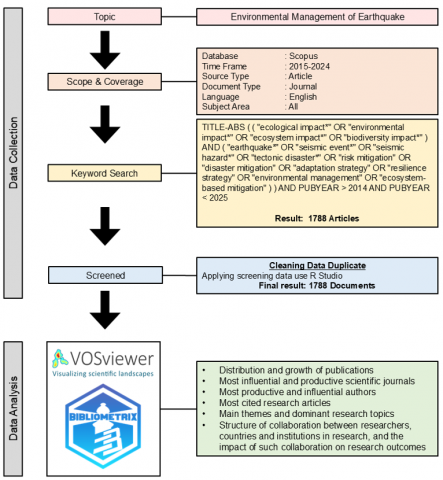
The bibliometric dataset was sourced from the Scopus database in March 2025. The search was limited to journal articles published between 2015 and 2024, using the following advanced query: “TITLE-ABS (("ecological impact*" OR "environmental impact*" OR "ecosystem impact*" OR "biodiversity impact*") AND ("earthquake*" OR "seismic event*" OR "seismic hazard*" OR "tectonic disaster*" OR "risk mitigation" OR "disaster mitigation" OR "adaptation strategy" OR "resilience strategy" OR "environmental management" OR "ecosystem-based mitigation")) AND PUBYEAR > 2014 AND PUBYEAR < 2025”. The initial query returned a total of 1,788 journal articles in English across all subject areas. Only research articles were included in this study, while other types, such as conference proceedings, editorials, and book chapters, were excluded to maintain consistency in content type and quality. The collected data were exported in two formats: CSV for use in VOSviewer and BibTeX for processing in RStudio.
To enhance transparency, the literature selection was organized following the PRISMA (Preferred Reporting Items for Systematic Reviews and Meta-Analyses) framework, which clarifies the identification, screening, and inclusion process (Figure 1). A total of 1,788 Scopus-indexed journal articles published between 2015 and 2024 were identified, and after excluding non-article and non-English records, all remaining documents met the inclusion criteria with no duplicate entries detected. This confirms the internal consistency of Scopus metadata and the reliability of the dataset. Data verification involved standardizing author names, institutional affiliations, and country identifiers, as well as unifying equivalent keywords (e.g., “LCA” and “life cycle assessment”) to improve metadata precision. These cleaning procedures are scientifically essential to minimize analytical bias and ensure that bibliometric indicators such as co-occurrence networks and citation link strength accurately represent the true structure of the research field. One inherent limitation of this method lies in the exclusive use of Scopus as the data source, which may result in the omission of relevant studies indexed in other databases such as Web of Science or PubMed.
Figure 1. Research concept
2.2 Data analysis
The processed bibliometric data were analyzed to identify patterns in scholarly output related to the environmental management of earthquake impacts. The analysis covered multiple indicators, including annual publication growth, prolific authors and institutions, high-impact journals, and most cited documents. The RStudio platform (version 2024.12.0-467) was utilized for bibliometric computations using the Bibliometrix and Biblioshiny packages (BibTeX input). In parallel, the CSV data were imported into VOSviewer version 1.6.18 to generate visual maps of keyword co-occurrence networks. A minimum frequency threshold of five occurrences was set to ensure analytical robustness. Nodes in the visualization represented keywords, where node size correlated with term frequency, and proximity indicated thematic linkage. The link strength metric quantified the degree of co-occurrence, with higher values representing stronger relationships between terms. Through this approach, core research clusters were identified, enabling the mapping of thematic evolution and emerging scientific fronts. In addition to network mapping, temporal trend analysis was conducted to trace shifts in research focus across the 2015–2024 period. These analyses provided insights into the collaborative structure of the field, the development of dominant themes, and anticipated directions for future investigation.
3.1 Pattern and progression of research articles
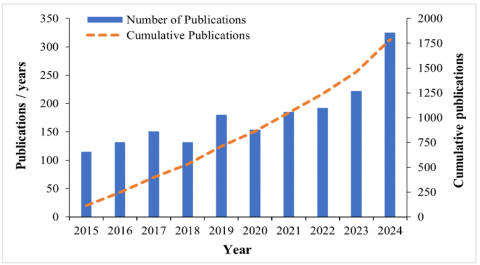
The bar and line chart presented in Figure 2 depicts the annual number of publications and cumulative growth of scientific outputs related to the ecological impacts of earthquakes and risk mitigation strategies between 2015 and 2024. The blue bars represent the number of publications per year, while the orange dashed line indicates the cumulative total of publications over the same period. This dual-axis visualization captures both the short-term trends and long-term trajectory of academic interest in this interdisciplinary field. It is evident from the chart that scholarly attention toward the ecological consequences of seismic events has shown an overall increasing trend, particularly accelerating in the last three years.
From 2015 to 2018, the annual publications exhibited moderate growth, fluctuating between approximately 115 to 140 articles per year. This period may reflect the foundational phase in the academic exploration of earthquake-related ecological impacts, coinciding with increasing global awareness of disaster resilience frameworks such as the Sendai Framework for Disaster Risk Reduction [19]. A significant rise is noted in 2019, with over 170 publications, marking a shift in research momentum. This rise may be linked to heightened interest in environmental resilience following catastrophic earthquakes in seismically active regions such as Indonesia, Nepal, and Chile [1, 20].
The growth remains relatively stable through 2020 to 2022, averaging around 160–190 publications annually. However, a pronounced spike is observed in 2023 and especially in 2024, with the latter approaching 320 publications. This exponential growth in recent years suggests a rapid intensification of academic focus, potentially driven by the increasing frequency and severity of climate-related natural hazards, interdisciplinary integration (ecology, geophysics, urban planning), and advancements in big data and remote sensing tools for post-disaster environmental monitoring [21, 22]. The upward trajectory of cumulative publications further supports the observation of an expanding and maturing research landscape, reaching nearly 1,900 documents by 2024.
This trend aligns with broader global shifts toward sustainability science and transdisciplinary approaches to disaster risk reduction [23]. The growing volume of research may also be partially explained by increased funding mechanisms for climate adaptation and disaster-resilient infrastructure projects. Moreover, the COVID-19 pandemic catalyzed interest in compound risks, where ecological degradation due to natural disasters intersects with public health vulnerabilities, an area that has been reflected in recent earthquake-related ecological research [6]. The strong upward pattern also signals that the topic has moved beyond the niche scientific community into a broader, policy-relevant research domain. The chart reveals a dynamic and expanding body of literature focused on the ecological implications of seismic events and their mitigation strategies. The marked rise in publications after 2020 indicates not only increased academic recognition of the urgency of such research but also its growing societal relevance.
Figure 2. Pattern and progression of research articles
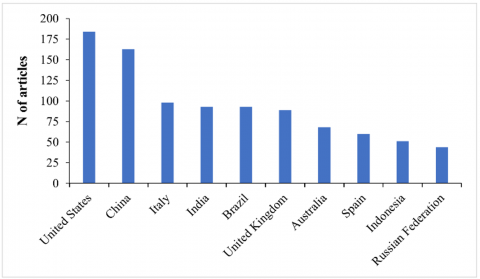
Figure 3. Top countries' production of scientific articles
Figure 3 illustrates the geographical distribution of the top 10 most productive countries in the field of ecological impacts of earthquakes and associated risk mitigation strategies. The chart ranks countries by the total number of published articles, with the United States leading at nearly 185 publications, followed closely by China with approximately 165 articles. Italy, India, Brazil, and the United Kingdom form the second tier of contributors, each producing between 90 to 100 papers. Australia, Spain, Indonesia, and the Russian Federation follow with a gradually decreasing output, ranging from 40 to 70 publications.
This dominance can be scientifically explained by several structural and contextual drivers. In the United States, national funding mechanisms such as the National Science Foundation (NSF) and the U.S. Geological Survey (USGS) have long supported multi-hazard resilience research, linking seismic risk reduction with environmental sustainability and digital monitoring programs. China’s prominence, on the other hand, is closely associated with the strategic emphasis of the National Natural Science Foundation of China (NSFC) on post-disaster ecological restoration, particularly after the 2008 Wenchuan and 2013 Lushan earthquakes. These events catalyzed long-term ecological monitoring initiatives and investments in data-intensive disaster research centers. Both countries also benefit from advanced research infrastructure, extensive satellite-based observation systems, and established inter-institutional collaboration networks, which collectively enhance the visibility and volume of their publications in international databases such as Scopus.
The dominant role of the United States and China in this research domain reflects their broader scientific influence and consistent investment in disaster science and environmental resilience. The United States has been a leader in multi-hazard risk assessment, integrating ecological perspectives into seismic impact studies, often through federal agencies like the USGS and NSF [24]. China’s strong presence is aligned with its vulnerability to high-magnitude earthquakes in regions such as Sichuan and Yunnan, driving state-sponsored initiatives to understand ecosystem disruptions and promote environmental restoration after seismic events [12].
European countries such as Italy and the United Kingdom also make notable contributions. Italy’s prominence can be linked to its active seismic zones (the Apennines) and historical engagement in hazard risk reduction frameworks through the European Union’s Horizon 2020 and Civil Protection Mechanism [25]. Similarly, Brazil and India, despite being less seismically active compared to other top contributors, show increasing output due to the inclusion of broader ecological risk discussions in their environmental research agendas and urban development planning [4, 26]. The presence of Indonesia in the top 10 underscores the country’s strategic research priority on disaster resilience, especially given its location along the Pacific Ring of Fire and frequent experiences with catastrophic seismic and tsunami events [27]. The geographic pattern of publication output reveals that both developed and developing nations are actively engaging in the discourse surrounding earthquake-induced ecological disturbances and mitigation strategies.
Interestingly, some expected major contributors, such as Japan and Turkey, countries with high seismic activity and mature research systems, show relatively lower representation in the dataset. This apparent contradiction can be attributed to two main factors. First, much of Japan’s earthquake-related ecological research is disseminated through domestic outlets indexed in the J-STAGE and CiNii databases rather than Scopus, resulting in underrepresentation in global bibliometric analyses. Second, language and database indexing biases often limit the inclusion of non-English or regionally focused journals, particularly those emphasizing engineering–ecology integration. This observation underscores the importance of multi-database integration (e.g., Web of Science and JSTAGE) in future analyses to achieve a more inclusive and regionally balanced global perspective.
While scientific leadership is still concentrated among high-income countries, the involvement of nations such as Indonesia, Brazil, and India signals a democratization of disaster research. This trend may be attributed to increased global collaboration, capacity-building initiatives, and the cross-border nature of ecological risks. Future scientometric mapping should delve deeper into regional collaboration networks and the thematic emphases of each country to further elucidate the global architecture of this emergent research landscape.
3.2 Top-performing and impactful academic journals
The table presents a comparative overview of the top ten scientific journals contributing to the analyzed research field (Table 1). The metrics presented include each journal’s H-index, total citations, number of articles published, and the year of data reference. The Journal of Cleaner Production emerges as the most impactful source with an H-index of 32, 2,937 total citations, and 54 published articles, all traced back to 2015. This journal's prominence is attributable to its interdisciplinary approach, bridging environmental science with sustainability transitions and industrial ecology [28].
Table 1. Top-performing and impactful academic journals
|
No. |
Source |
H-Index |
Total Citations |
No. of Articles |
Year |
|
1 |
Journal of Cleaner Production |
32 |
2937 |
54 |
2015 |
|
2 |
Journal of Environmental Management |
16 |
792 |
30 |
2015 |
|
3 |
Sustainability (Switzerland) |
15 |
900 |
61 |
2016 |
|
4 |
Science of the Total Environment |
14 |
861 |
29 |
2016 |
|
5 |
Environmental Impact Assessment Review |
13 |
610 |
20 |
2015 |
|
6 |
Environmental Science and Pollution Research |
8 |
291 |
9 |
2015 |
|
7 |
Business Strategy and the Environment |
7 |
462 |
8 |
2015 |
|
8 |
Energy and Buildings |
7 |
273 |
7 |
2016 |
|
9 |
Environmental Management |
7 |
616 |
12 |
2015 |
|
10 |
Heliyon |
7 |
650 |
15 |
2019 |
Notably, Sustainability (Switzerland) leads in the number of published articles (61) but has a relatively lower H-index (15) and total citations (900), reflecting a high publication volume but moderate impact per article. Similarly, Science of the Total Environment, Journal of Environmental Management, and Environmental Impact Assessment Review demonstrate a balance between article productivity and citation impact, suggesting that these journals serve as key dissemination channels for robust and widely referenced research on environmental disturbances following seismic events [29, 30]. These journals often publish studies on post-disaster land degradation, restoration ecology, and ecological risk assessments in earthquake-prone regions.
The remaining sources, including Environmental Science and Pollution Research, Business Strategy and the Environment, Energy and Buildings, Environmental Management, and Heliyon, feature fewer publications and relatively lower H-indices, ranging from 7 to 8. Despite this, their inclusion in the top 10 indicates that the field is multidisciplinary, incorporating aspects of environmental economics, sustainable architecture, pollution studies, and open-access platforms to accommodate growing demand for data accessibility and cross-domain integration [8, 31]. Of particular interest is Heliyon, a relatively new journal (data from 2019), which has garnered 650 citations from 15 publications, indicating high average citations per article and rapid influence growth in a short timeframe. The table highlights a clear academic orientation toward journals that prioritize sustainability, integrated environmental management, and interdisciplinary approaches.
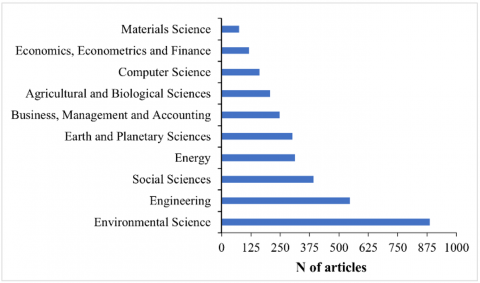
Figure 4 displays the disciplinary distribution of research on the ecological impacts of earthquakes and associated risk mitigation strategies. The horizontal bar chart highlights the number of articles published across various subject areas. Environmental Science emerges as the dominant field, with nearly 950 publications, followed by Engineering (over 600 articles) and Social Sciences (around 450 articles). Other significant contributors include Energy, Earth and Planetary Sciences, Business, Management and Accounting, and Agricultural and Biological Sciences. Disciplines such as Computer Science, Economics, Econometrics and Finance, and Materials Science exhibit relatively lower levels of contribution.
Figure 4. Various subject areas
The overwhelming representation of environmental science underscores the field's central role in examining the ecological ramifications of seismic events, including biodiversity loss, ecosystem disruption, and land degradation [32]. This field also addresses sustainable reconstruction, ecological restoration, and climate-adaptive planning in post-earthquake scenarios. Engineering ranks second, reflecting the critical role of structural design, geotechnical resilience, and infrastructure planning in mitigating earthquake-induced environmental damage [33]. This synergy between environmental and engineering sciences is particularly vital in regions prone to recurrent seismic activity and ecological sensitivity.
The presence of Social Sciences as the third-highest contributor indicates a growing recognition of the human ecological interface in disaster studies. Scholars in this domain have examined issues such as environmental justice, community-based disaster preparedness, and the sociopolitical dimensions of ecological restoration [5]. The integration of Earth and Planetary Sciences further supports research focused on tectonic activity, geological risk mapping, and long-term ecological monitoring, while the involvement of Energy and Business, Management and Accounting suggests expanding interest in sustainable energy systems and disaster-resilient economic frameworks.
Notably, Computer Science and Materials Science, though relatively underrepresented, are emerging as interdisciplinary frontiers. These disciplines are increasingly contributing through innovations such as remote sensing, AI-driven hazard modeling, and the development of sustainable construction materials [14]. As earthquake ecology research evolves, the involvement of diverse disciplines is expected to grow, fostering holistic frameworks that address environmental, technical, and socio-economic dimensions of seismic risk mitigation.
3.3 Top-contributing and influential scholars
Table 2 showcases the leading authors in the field of ecological impacts of earthquakes and associated risk mitigation strategies, as determined by their Scopus-indexed publication metrics. The indicators include the number of articles published, H-index (as a proxy of scientific impact), total citations, institutional affiliation, and Scopus ID. The most prolific author is Li Y from Case Western Reserve University, United States, with 14 publications, an H-index of 36, and 3,828 total citations. While this reflects strong productivity and influence, other authors have achieved higher citation counts and H-indices despite publishing fewer papers.
Table 2. Top-contributing and influential scholars
|
No. |
Authors |
ID Scopus |
Affiliation |
Articles |
H-Index |
Total Citations |
|
1 |
Li Y |
8594473200 |
Case Western Reserve University, Cleveland, United States |
14 |
36 |
3,828 |
|
2 |
Wang Y |
35207058700 |
Fudan University, Shanghai, China |
11 |
42 |
4,883 |
|
3 |
Liu Y |
57192563944 |
Ningbo University, Ningbo, China |
9 |
21 |
1,028 |
|
4 |
Wang Q |
55775349500 |
Zhejiang University of Technology, Hangzhou, China |
9 |
16 |
975 |
|
5 |
Wang H |
37092129400 |
Research Center for Eco-Environmental Sciences, Chinese Academy of Sciences, Beijing, China |
9 |
10 |
288 |
|
6 |
Kumar A |
57212084030 |
National Taiwan University, Taipei, Taiwan |
8 |
21 |
2,117 |
|
7 |
Li H |
35310730400 |
Tsinghua University, Beijing, China |
8 |
36 |
4,081 |
|
8 |
Li J |
57235557700 |
University of Waterloo, Waterloo, Canada |
8 |
75 |
21,004 |
|
9 |
Li W |
56227636600 |
State Key Laboratory of Chemical Engineering, Zhejiang University, Hangzhou, China |
8 |
40 |
5,015 |
|
10 |
Wang J |
56388817500 |
Chinese Academy of Environmental Planning, Beijing, China |
8 |
50 |
10,481 |
Notably, Li J from the University of Waterloo, Canada, has the highest total citations (21,004) and H-index (75) among all listed authors, signifying exceptional scholarly influence and a likely leadership role in this domain. Similarly, Wang J from the Chinese Academy of Environmental Planning (Beijing, China) and Li W from Zhejiang University (Hangzhou, China) demonstrate impressive citation records of 10,481 and 5,015, respectively, with H-indices of 50 and 40. These figures suggest that these researchers have published highly cited, foundational studies likely involving interdisciplinary methods, policy integration, or advanced modeling approaches for environmental risk reduction.
The data also reveal a strong concentration of scholarly excellence in East Asia, particularly in China. Out of the ten authors listed, seven are affiliated with Chinese institutions, including Fudan University, Tsinghua University, and the Chinese Academy of Sciences. This geographic clustering of expertise may be explained by the region’s frequent seismic activity, growing governmental support for disaster resilience research, and strong academic networks in environmental science and engineering [34]. Other contributors, such as Kumar A from National Taiwan University and Li J from Canada, indicate the presence of international collaborations and knowledge transfer mechanisms in this field. Overall, the distribution of scholarly impact, as captured in this table, illustrates both productivity and research excellence in earthquake-ecology science. Authors with high H-indices and citation counts have likely contributed significantly to shaping methodological frameworks, ecosystem vulnerability assessments, and disaster mitigation strategies. Future research agendas can benefit from deeper co-authorship and citation network analyses to trace thematic clusters, institutional linkages, and emerging thought leaders in this rapidly evolving domain.
3.4 Top-cited scientific papers
Table 3 lists the top ten most highly cited articles contributing to the field of ecological impacts of earthquakes and risk mitigation, based on total citations and average citations per year. Leading the list is the article by Whitmee et al. [35] published in The Lancet, which has amassed 1,932 citations, averaging an impressive 175.64 citations per year. This article likely discusses broad sustainability health linkages, setting foundational concepts that resonate within disaster and ecological health studies [35]. The second most cited paper is by Pittelkow et al. [36] in Nature, with 1,210 citations and 110.00 citations per year, underscoring its central role in sustainable agriculture relevant to post-earthquake land degradation and recovery strategies.
Table 3. Top-cited scientific papers
|
No. |
Paper |
DOI |
Total Citations |
Total Citations/Year |
|
1 |
Whitmee S, 2015, The Lancet |
10.1016/S0140-6736(15)60901-1 |
1932 |
175.64 |
|
2 |
Pittelkow Cm, 2015, Nature |
10.1038/nature13809 |
1210 |
110.00 |
|
3 |
Rume T, 2020, Heliyon |
10.1016/j.heliyon.2020.e04965 |
394 |
65.67 |
|
4 |
Ahmed N, 2019, Environ. Manage. |
10.1007/s00267-018-1117-3 |
334 |
47.71 |
|
5 |
Cordes Ee, 2016, Front. Environ. Sci. |
10.3389/fenvs.2016.00058 |
321 |
32.10 |
|
6 |
Hulme Pe, 2017, Biol. Rev. |
10.1111/brv.12282 |
314 |
34.89 |
|
7 |
Mardani A, 2017, Renewable Sustainable Energy Rev. |
10.1016/j.rser.2016.12.053 |
305 |
33.89 |
|
8 |
Ahmed N, 2021, J. Clean. Prod. |
10.1016/j.jclepro.2021.126604 |
284 |
56.80 |
|
9 |
Mukherjee N, 2015, Methods Ecol. Evol. |
10.1111/2041-210X.12387 |
266 |
24.18 |
|
10 |
Testa F, 2015, Bus. Strategy Environ. |
10.1002/bse.1821 |
230 |
20.91 |
Rume and Didar-Ul Islamb’s [37] article in Heliyon ranks third in annual citation impact (65.67), emphasizing its rapid scholarly uptake despite its recent publication. Similarly, Ahmed’s two articles published in Environmental Management (2019) and Journal of Cleaner Production (2021) also feature prominently, with high yearly citation rates (47.71 and 56.80, respectively). These works have likely addressed socio-ecological resilience, aquaculture vulnerability, or green production systems in post-disaster contexts [38, 39]. Their inclusion illustrates the growing recognition of sustainability and community-based mitigation frameworks in the aftermath of ecological disturbances.
Other notable contributors include researcher [40-42], whose articles offer interdisciplinary insights into ecological conservation, biological invasions, and renewable energy policy under stress scenarios. Mukherjee et al. [43], in Methods in Ecology and Evolution, emphasize methodological contributions, particularly in stakeholder engagement and participatory assessments, which are critical for effective post-earthquake ecological recovery strategies [43]. Rounds out the list with a focus on sustainable business strategy, reflecting the private sector’s role in disaster resilient innovation [44]. Collectively, this table demonstrates that highly cited works in the field are not limited to core earthquake ecology but span public health, sustainable development, policy science, and energy transition. The cross-disciplinary nature of these articles suggests that addressing the ecological impacts of earthquakes requires integration of diverse knowledge domains. Future research may benefit from drawing on the conceptual and empirical frameworks established in these works to guide studies in nature-based solutions, adaptive governance, and ecological restoration.
3.5 Key subject domains and their developmental trajectory
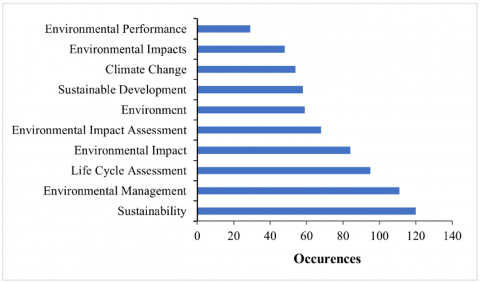
Figure 5 presents a horizontal bar chart showing the most frequent keywords found in the scholarly literature addressing the ecological impacts of earthquakes and related risk mitigation strategies. The data highlight the top ten keywords by occurrence count. Sustainability leads with over 120 occurrences, followed closely by environmental management and life cycle assessment, each surpassing 100 mentions. Other highly recurring terms include Environmental Impact, environmental impact assessment, Environment, and Sustainable Development, indicating a strong emphasis on policy integration and systemic approaches to ecological resilience.
Figure 5. Top keywords
The dominance of the term Sustainability confirms that much of the research in this area is situated within the broader framework of sustainable development and environmental stewardship. Earthquakes are increasingly viewed through a sustainability lens emphasizing not just immediate hazard response but long-term ecological recovery, social equity, and resilience building [45]. Closely related, the term environmental management reflects the role of proactive planning, governance frameworks, and community participation in mitigating the impacts of seismic disturbances on ecosystems [46].
The frequent appearance of life cycle assessment (LCA) and environmental impact assessment (EIA) points to the importance of methodological rigor in evaluating both pre- and post-disaster environmental scenarios. LCA is commonly applied to assess the ecological footprint of reconstruction materials and waste management following earthquakes, while EIA frameworks guide planning decisions in seismically active regions [9, 47]. The keyword Climate Change, though moderately ranked, suggests an emerging interest in how earthquakes intersect with broader climate-driven risks, such as increased landslide susceptibility and compounded stress on ecosystems. This keyword analysis reinforces the interdisciplinary character of earthquake-ecology research. It bridges environmental science, policy, risk analysis, and systems thinking. The prevalence of terms like Environmental Impacts, Environmental Performance, and Sustainable Development underscores the community’s commitment to building ecologically informed strategies that transcend traditional disaster response and instead focus on holistic, forward-looking resilience planning. These thematic insights can help guide future research trajectories, including integrative modeling, nature-based solutions, and multi-criteria decision-making under uncertainty.
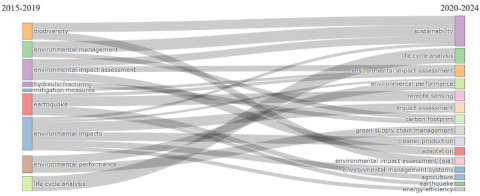
Figure 6. Evolution of key research concepts
Figure 6 presents a Sankey diagram that illustrates the thematic evolution of key research concepts related to the ecological impacts of earthquakes between two temporal phases: 2015–2019 and 2020–2024. Each left-side node represents dominant themes during 2015–2019, which transition to their corresponding or evolved themes on the right side in the 2020–2024 period. The width of the connections between nodes indicates the strength or frequency of thematic continuity, thereby providing a visual understanding of conceptual progression, integration, and divergence in the field.
The term environmental impact assessment shows strong thematic persistence across both periods, demonstrating its foundational role in ecological risk evaluation and planning. Over time, however, it has diversified into more specialized or application-oriented themes such as impact assessment, carbon footprint, and environmental performance. Similarly, the theme of environmental management in the earlier period evolves into environmental management systems and connects directly to sustainability, suggesting a shift from general environmental oversight to structured, measurable management frameworks that align with global sustainability metrics [9, 15].
Notably, earthquake as a thematic keyword in 2015–2019 becomes increasingly interlinked with adaptation, agriculture, and remote sensing in 2020–2024. This shift reflects the growing focus on resilience-based approaches and the use of geospatial technologies to monitor post-seismic ecological change and agricultural vulnerability [13, 48]. The emergence of green supply chain management, cleaner production, and energy efficiency as thematic endpoints in the 2020–2024 period also highlights a deepening integration between seismic ecological studies and industrial sustainability discourse, likely influenced by broader planetary health and climate mitigation agendas [49].
The diagram also indicates the rise of life cycle analysis and sustainability as central organizing frameworks in the latter half of the decade. These themes now absorb earlier concepts like environmental performance, hydraulic fracturing, and mitigation measures, consolidating the field under more comprehensive and quantifiable models. Such evolution is aligned with the research community's need to operationalize resilience, using lifecycle indicators and sustainability metrics to guide post-earthquake reconstruction, energy transition, and ecological rehabilitation [50]. The Sankey diagram reveals a research trajectory that has moved from general environmental and impact assessments toward integrative, system-based, and action-oriented frameworks in the post-2020 period. This thematic evolution suggests a maturing research field that now embraces data-intensive, multi-sectoral, and solution-focused approaches to address the ecological implications of seismic activity.
3.6 Framework of academic partnerships
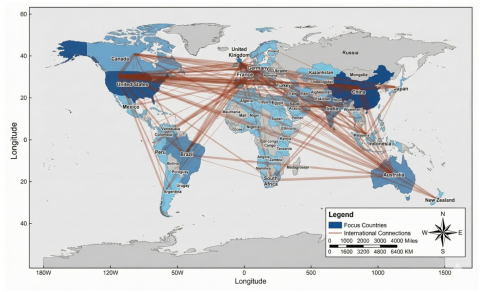
Figure 7 provides a world map visualization of international research collaboration on the ecological impacts of earthquakes and risk mitigation strategies. Countries are color-coded by the intensity of their publication volume, with darker shades of blue representing higher research output. Red-brown connecting lines indicate collaborative linkages between countries, where the thickness of each line denotes the strength or frequency of co-authorship in scientific publications. This geospatial co-authorship network map highlights the transnational and interdisciplinary nature of research in this field.
Figure 7. Global research collaboration
The map reveals that the United States, China, Germany, the United Kingdom, and Australia are major hubs of global collaboration, acting as central nodes in the international research network. These countries not only produce a high volume of scientific output but also maintain extensive bilateral and multilateral research partnerships, particularly with emerging economies and disaster-prone regions such as Indonesia, India, Brazil, and Turkey. The collaboration between China and Southeast Asian nations is particularly prominent, likely driven by shared seismic vulnerabilities and regional initiatives on disaster risk reduction (DRR) and environmental sustainability [51].
The presence of dense intercontinental linkages across North America, Europe, and Asia indicates that earthquake-ecology research is supported by well-established global knowledge-sharing mechanisms. Institutions in Europe (Germany, France, the Netherlands) appear to serve as connectors between research groups in both hemispheres, facilitating cross-border studies that integrate environmental science, engineering, and policy frameworks. This reflects the broader success of European Union research funding instruments like Horizon 2020, which prioritize disaster resilience, climate adaptation, and cross-sectoral ecological research [52].
Interestingly, South America and Sub-Saharan Africa show moderate participation, often through partnerships with high-output countries. Brazil, Argentina, and South Africa maintain active collaborations, particularly on issues related to post-disaster ecological restoration and sustainable infrastructure. While the map does suggest underrepresentation of some low- and middle-income countries, especially in Central Africa and Central Asia, the growing web of international ties presents opportunities for more inclusive and locally relevant research agendas. Collaborative capacity-building, data-sharing platforms, and open access initiatives are critical to bridging these gaps and enhancing global resilience against seismic ecological threats [53]. The global collaboration map demonstrates that the study of earthquake-induced ecological impacts is a truly international endeavor, increasingly characterized by multidirectional partnerships and integrative research approaches. These collaborations are vital not only for advancing scientific understanding but also for translating findings into policy and practice across diverse ecological, political, and cultural contexts.
(a)
(b)
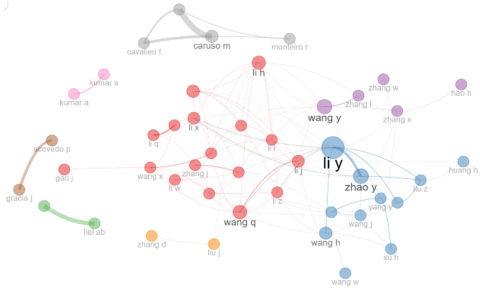
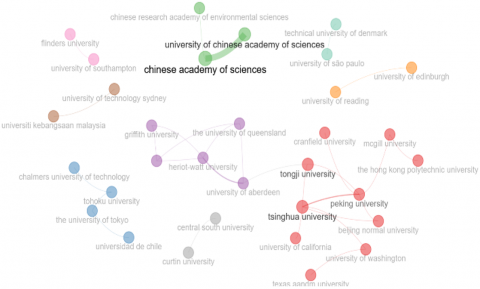
Figure 8. (a) Co-authorship and (b) Institutional collaboration networks
Figures 8(a) and 8(b) provide detailed network visualizations of scientific collaboration in the domain of earthquake ecology and risk mitigation. Figure 8(a) shows the author-level co-authorship network, while Figure 8(b) depicts institutional collaboration. These maps, based on co-authorship frequencies and affiliations, offer insights into the structure, density, and centrality of academic collaboration within the field. The co-authorship map in Figure 8(a) highlights several prominent author clusters, distinguished by color, with node size proportional to the number of co-authored publications and edge thickness reflecting collaboration strength. The most central and influential author is Li Y, who appears in a large, densely interconnected blue cluster. This author collaborates extensively with Zhao Y, Wang H, Wang J, and Xu H, suggesting a well-integrated research team, likely focused on ecological assessments or engineering-based mitigation strategies.
A second major cluster (red) centers around Li H, Li X, Wang Q, and Zhang J, indicating another influential research group with high internal collaboration. These authors are known for their contributions to sustainability, life cycle assessment, and environmental performance frameworks in the context of seismic impacts [11]. Smaller, independent clusters such as those featuring Kumar A, Caruso M, and Gracia J represent regionally focused or niche research efforts with limited integration into the global network, potentially reflecting different thematic or geographic focuses. The network structure shows a “small-world” pattern: dense intra-cluster collaboration with limited inter-cluster links. This suggests the field is moderately fragmented, with several research silos operating independently. Nonetheless, cross-cluster nodes such as Li J and Wang Y may act as bridging authors, facilitating interdisciplinary integration.
At the institutional level, Figure 8(b) identifies Tsinghua University, Tongji University, and the Chinese Academy of Sciences (CAS) as key nodes in the global academic collaboration landscape. These institutions demonstrate strong interconnectivity, particularly with Peking University, Beijing Normal University, and international partners such as the University of California and the University of Washington, forming a robust East-West collaboration corridor. This reflects China’s strategic research investment in disaster risk reduction, ecological restoration, and sustainability science [54].
Meanwhile, the University of Chinese Academy of Sciences shows strong bilateral cooperation with the Chinese Research Academy of Environmental Sciences, reinforcing national-level scientific coordination. Australian institutions like Griffith University, University of Queensland, and Heriot-Watt University (UK) form another collaborative subnetwork, often involved in ecological engineering and climate adaptation research. On the other hand, universities in Latin America, Scandinavia, and Southeast Asia, such as Universidad de Chile, Chalmers University of Technology, and Universiti Kebangsaan Malaysia, appear in smaller, more isolated clusters, indicating limited but emerging contributions to the field.
The diversity of institutions and the presence of intercontinental linkages underscore the increasing globalization of earthquake-ecology research. However, the network topology still reveals areas of limited integration, particularly for institutions in the Global South, suggesting the need for more inclusive international frameworks and funding mechanisms to support collaborative disaster resilience science. Together, these collaboration networks underscore the growing interconnectedness and leadership of East Asian institutions and authors, particularly from China, in shaping the discourse on the ecological impacts of seismic events. While strong intra-national collaboration is evident, future advances in the field will benefit from enhanced inter-cluster and Global South-North research partnerships. Strengthening these ties will help address context-specific ecological vulnerabilities and foster innovations in post-disaster environmental governance.
3.7 The future trends and challenge research
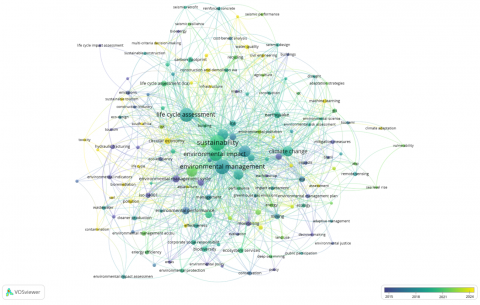
Figure 9, derived from VOSviewer keyword co-occurrence analysis, maps the thematic landscape of scientific literature on the ecological impacts of earthquakes and environmental risk mitigation. The network visualization captures the interconnectivity and temporal evolution of major research concepts from 2015 to 2024. Central themes such as “sustainability,” “life cycle assessment,” “environmental impact,” “climate change,” and “environmental management” dominate the field, as indicated by their size and central positioning. The future trajectory of this field appears increasingly interdisciplinary, with emerging connections to digital tools, circular economy models, and adaptation strategies signaling a paradigm shift toward integrated and systems-based approaches in addressing disaster-ecology challenges [55, 56].
The term "climate change" exhibits strong links with "earthquake," "mitigation measures," "remote sensing," and "vulnerability," suggesting that scholars are exploring compound risks and cascading hazards. This aligns with the global research agenda, highlighting the intersection of climatic and tectonic threats, particularly in regions prone to both drought and seismic instability [3, 57]. Future research must deepen our understanding of multi-hazard interactions using advanced environmental modeling, machine learning, and GIS-based decision support systems [58, 59]. Furthermore, environmental risks posed by earthquakes, such as landslides, soil erosion, and aquifer disruption, require integration with climate adaptation strategies to ensure long-term socio-ecological resilience [60, 61].
Digital transformation of environmental science emerges as a powerful trend in the network, as indicated by newer keywords such as “IoT,” “machine learning,” “remote sensing,” and “GIS.” These tools enable real-time disaster monitoring, predictive analytics, and automated environmental risk assessments [2, 62]. For instance, post-seismic vegetation loss and pollution dispersion can be captured using drone-based multispectral imaging and satellite telemetry [63]. However, challenges remain in terms of data integration, validation of AI models across geographies, and ensuring equitable access to technological tools in resource-limited settings [10, 64].
The concept of “life cycle assessment (LCA)” is increasingly linked with “sustainable construction,” “circular economy,” and “infrastructure resilience,” indicating a shift toward ecological footprint minimization in post-disaster rebuilding [9, 24]. LCA methodologies are being refined to evaluate not only carbon emissions but also ecological degradation, social impacts, and resource usage across seismic event cycles [65, 66]. The challenge lies in harmonizing LCA frameworks across diverse climatic and regulatory contexts, as well as incorporating dynamic impact modeling to capture the temporal variability of environmental stress post-earthquake [16, 67].
Sustainability transitions are increasingly viewed through the lens of systems resilience, green infrastructure, and adaptive environmental governance [7, 68]. Concepts such as “adaptive management,” “public participation,” “environmental justice,” and “multi-criteria decision-making” reveal an emergent shift from top-down command-and-control strategies toward participatory, inclusive, and context-sensitive approaches [18, 69]. However, operationalizing sustainability in post-disaster contexts remains complex due to competing stakeholder interests, policy fragmentation, and insufficient transdisciplinary frameworks [17, 70]. Future research must focus on participatory action models, co-production of knowledge, and localized governance innovations.
Another promising but underdeveloped area is bioenvironmental engineering, including nature-based solutions, bioremediation, and eco-design in seismic zones [71, 72]. The keywords “bioremediation,” “wastewater,” “ecosystem services,” and “soil contamination” suggest a growing concern with earthquake-induced pollution and ecological degradation. Research must explore engineered-natural systems, such as constructed wetlands and green roofs, that both buffer seismic shock and contribute to long-term ecological recovery [59, 73]. However, challenges remain in quantifying their performance under dynamic stress conditions and scaling them for urban-rural gradients. The future of earthquake-ecology research lies at the intersection of resilience science, digital innovation, ecological economics, and participatory governance. The main research challenges ahead include: (1) managing compound disaster risks; (2) scaling digital tools equitably; (3) integrating dynamic LCA into planning frameworks; (4) designing inclusive adaptation models; and (5) developing context-responsive bioengineering interventions. Addressing these challenges requires robust international collaboration, open data ecosystems, and sustained policy-science dialogues.
Figure 9. A keyword co-occurrence analysis for future trends
Based on the comprehensive bibliometric analysis and thematic visualizations, research on the ecological impacts of earthquakes and associated risk mitigation strategies is becoming increasingly interdisciplinary and globally connected. The field has evolved from conventional environmental impact assessments toward integrated approaches emphasizing sustainability, life cycle assessment, and the use of advanced technologies such as remote sensing and machine learning. International collaboration at both author and institutional levels is intensifying, with countries like China, the United States, and Australia emerging as central hubs in the global research network. Nevertheless, significant challenges remain, including data integration across sectors, limited participation from developing countries, and the operationalization of environmental justice in post-disaster contexts. Future research must prioritize methodological innovation, more inclusive collaborative frameworks, and the enhancement of socio-ecological adaptive capacities. These efforts are essential for supporting long-term resilience and sustainable recovery in earthquake-prone regions.
From a policy and management perspective, the findings of this study provide strategic guidance for several stakeholder groups. For policymakers, there is an urgent need to integrate ecological restoration and environmental monitoring into national disaster risk reduction (DRR) frameworks, particularly in developing seismic regions. Research funding agencies should promote multi-hazard and interdisciplinary projects that combine environmental science, engineering, and social dimensions of disaster resilience. Meanwhile, academic institutions and regional research centers can play a key role in strengthening capacity building through open data initiatives, joint publications, and researcher mobility programs. Establishing transdisciplinary consortia and regional centers of excellence would help bridge the gap between scientific innovation and on-ground implementation in ecological earthquake resilience.
Despite its comprehensive scope, this study has several limitations that should be acknowledged. First, the analysis relied solely on the Scopus database, which, although widely recognized for its coverage and reliability, may exclude relevant literature indexed in other repositories such as Web of Science, JSTAGE, or regional databases. Second, only peer-reviewed journal articles were included, thereby omitting potentially valuable information from conference proceedings, reports, and grey literature. Third, the bibliometric approach focuses on publication metadata rather than full-text content, which may limit the depth of thematic interpretation. Future studies should integrate multi-database sources, expand document types, and apply text-mining or topic-modeling approaches to capture more nuanced insights into earthquake ecology research.
The author sincerely expresses gratitude is expressed by to Brawijaya University for providing the necessary resources and a conducive environment for conducting this research. The research facilities and libraries that facilitated access to essential resources are also acknowledged. Finally, appreciation is extended to the colleagues and peers for their collaborative efforts and constructive discussions, which significantly contributed to the quality of this manuscript.
[1] Gunti, S., Roy, P., Narendran, J., Pudi, R., Muralikrishnan, S., Kumar, K.V., Subrahmanyam, M., Israel, Y., Kumar, B.S. (2022). Assessment of geodetic strain and stress variations in Nepal due to 25 April 2015 Gorkha earthquake: Insights from the GNSS data analysis and b-value. Geodesy and Geodynamics, 13(3): 288-300. https://doi.org/10.1016/j.geog.2022.01.003
[2] Liu, S., Wang, L., Zhang, W., He, Y., Pijush, S. (2023). A comprehensive review of machine learning-based methods in landslide susceptibility mapping. Geological Journal, 58(6): 2283-2301. https://doi.org/10.1002/gj.4666
[3] IPCC. (2022). Climate Change 2022: Impacts, Adaptation and Vulnerability. Contribution of Working Group II to the Sixth Assessment Report. Intergovernmental Panel on Climate Change. https://www.ipcc.ch/report/ar6/wg2/.
[4] Karafagka, S., Riga, E., Oikonomou, G., Karatzetzou, A., Fotopoulou, S., Pitilakis, D., Pitilakis, K. (2024). RiskSchools: A prioritization-based system for the risk assessment of school buildings combining rapid visual screening smartphone app and detailed vulnerability analysis. Bulletin of Earthquake Engineering, 22(6): 2951-2980. https://doi.org/10.1007/s10518-024-01889-x
[5] Cutter, S.L. (2021). The changing nature of hazard and disaster risk in the Anthropocene. Annals of the American Association of Geographers, 111(3): 819-827. https://doi.org/10.1080/24694452.2020.1744423
[6] Barquet, K., Englund, M., Inga, K., André, K., Segnestam, L. (2024). Conceptualising multiple hazards and cascading effects on critical infrastructures. Disasters, 48(1): e12591. https://doi.org/10.1111/disa.12591
[7] Kopittke, P.M., Menzies, N.W., Dalal, R.C., McKenna, B.A., Husted, S., Wang, P., Lombi, E. (2021). The role of soil in defining planetary boundaries and the safe operating space for humanity. Environment International, 146: 106245. https://doi.org/10.1016/j.envint.2020.106245
[8] Parizi, S.M., Taleai, M., Sharifi, A. (2022). A GIS-based multi-criteria analysis framework to evaluate urban physical resilience against earthquakes. Sustainability, 14(9): 5034. https://doi.org/10.3390/su14095034
[9] Finnveden, G., Hauschild, M.Z., Ekvall, T., Guinée, J., Heijungs, R., Hellweg, S., Koehler, A., Pennington, D.W., Suh, S. (2009). Recent developments in life cycle assessment. Journal of Environmental Management, 91(1): 1-21. https://doi.org/10.1016/j.jenvman.2009.06.018
[10] Pour, M.A., Ghiasi, M.B., Karkehabadi, A. (2025). Applying machine learning tools for urban resilience against floods. In International Conference on Advances in Electrical, Computing, Communication and Sustainable Technologies (ICAECT), Bhilai, India, pp. 1-6. https://doi.org/10.1109/ICAECT63952.2025.10958865
[11] Tran, D.B., Tran, V.T., Pham, X.A., Nguyen, V.T. (2023). A general framework for sustainability assessment of buildings: A life-cycle thinking approach. Sustainability, 15(14): 10770. https://doi.org/10.3390/su151410770
[12] Su, X., Jia, J., Zhang, J., Li, X., Zhang, M. (2024). Spatiotemporal evolutionary characteristics of vegetation restoration after historical earthquake landslides from 1985 to 2020: A case study of Tianshui City, China. Ecological Indicators, 169: 112798. https://doi.org/10.1016/j.ecolind.2024.112798
[13] Liu, Y., Lin, Y., Wang, F., Xu, N., Zhou, J. (2023). Post-earthquake recovery and its driving forces of ecological environment quality using remote sensing and GIScience, a case study of 2015 Ms8. 1 Nepal earthquake. Geomatics, Natural Hazards and Risk, 14(1): 2279496. https://doi.org/10.1080/19475705.2023.2279496
[14] Wang, R., Sun, Y., Zong, J., Wang, Y., Cao, X., Wang, Y., Cheng, X., Zhang, W. (2024). Remote sensing application in ecological restoration monitoring: A systematic review. Remote Sensing, 16(12): 2204. https://doi.org/10.3390/rs16122204
[15] Vacchi, M., Siligardi, C., Demaria, F., Cedillo-González, E.I., González-Sánchez, R., Settembre-Blundo, D. (2021). Technological sustainability or sustainable technology? A multidimensional vision of sustainability in manufacturing. Sustainability, 13(17): 9942. https://doi.org/10.3390/su13179942
[16] Yazdani, M., Kabirifar, K., Haghani, M. (2024). Optimising post-disaster waste collection by a deep learning-enhanced differential evolution approach. Engineering Applications of Artificial Intelligence, 132: 107932. https://doi.org/10.1016/j.engappai.2024.107932
[17] Otto, D., Thoni, T., Wittstock, F., Beck, S. (2021). Exploring narratives on negative emissions technologies in the post-Paris era. Frontiers in Climate, 3: 684135. https://doi.org/10.3389/fclim.2021.684135
[18] Razzaq, A., Sharif, A., Ozturk, I., Afshan, S. (2023). Dynamic and threshold effects of energy transition and environmental governance on green growth in COP26 framework. Renewable and Sustainable Energy Reviews, 179: 113296. https://doi.org/10.1016/j.rser.2023.113296
[19] UNDRR. (2015). Sendai Framework for Disaster Risk Reduction 2015–2030. United Nations Office for Disaster Risk Reduction. https://www.undrr.org/publication/sendai-framework-disaster-risk-reduction-2015-2030.
[20] Bahlburg, H., Nentwig, V., Kreutzer, M. (2018). The September 16, 2015 Illapel tsunami, Chile–Sedimentology of tsunami deposits at the beaches of La Serena and Coquimbo. Marine Geology, 396: 43-53. https://doi.org/10.1016/j.margeo.2016.12.011
[21] Duan, Y., Di, B., Ustin, S.L., Xu, C., Xie, Q., Wu, S., Li, J., Zhang, R. (2021). Changes in ecosystem services in a montane landscape impacted by major earthquakes: A case study in Wenchuan earthquake-affected area, China. Ecological Indicators, 126: 107683. https://doi.org/10.1016/j.ecolind.2021.107683
[22] Shafapourtehrany, M., Batur, M., Shabani, F., Pradhan, B., Kalantar, B., Özener, H. (2023). A comprehensive review of geospatial technology applications in earthquake preparedness, emergency management, and damage assessment. Remote Sensing, 15(7): 1939. https://doi.org/10.3390/rs15071939
[23] Cutter, S.L., Ismail-Zadeh, A., Alcántara-Ayala, I., Altan, O., et al. (2016). Global risks: Pool knowledge to stem losses from disasters. Nature, 522: 277-279. https://doi.org/10.1038/522277a
[24] Crowley, H., Despotaki, V., Rodrigues, D., Silva, V., et al. (2020). Exposure model for European seismic risk assessment. Earthquake Spectra, 36(1_suppl): 252-273. https://doi.org/10.1177/8755293020919429
[25] Sudmeier-Rieux, K., Arce-Mojica, T., Boehmer, H.J., Doswald, N., et al. (2021). Scientific evidence for ecosystem-based disaster risk reduction. Nature Sustainability, 4(9): 803-810. https://doi.org/10.1038/s41893-021-00732-4
[26] Abdelkareem, M., Mansour, A.M. (2023). Risk assessment and management of vulnerable areas to flash flood hazards in arid regions using remote sensing and GIS-based knowledge-driven techniques. Natural Hazards, 117(3): 2269-2295. https://doi.org/10.1007/s11069-023-05942-x
[27] Juwitasari, R. (2023). Local government initiatives to foster post-tsunami resilience in a rural coastal community in West Java, Indonesia. In Making Disaster Safer. Kobe University Monograph Series in Social Science Researchpp, pp. 121-141. https://doi.org/10.1007/978-981-99-4546-7_7
[28] El-Maissi, A.M., Argyroudis, S.A., Kassem, M.M., Nazri, F.M. (2023). Integrated seismic vulnerability assessment of road network in complex built environment toward more resilient cities. Sustainable Cities and Society, 89: 104363. https://doi.org/10.1016/j.scs.2022.104363
[29] Li, L., Chang-Richards, A., Boston, M., Elwood, K., Hutt, C.M. (2023). Post-disaster functional recovery of the built environment: A systematic review and directions for future research. International Journal of Disaster Risk Reduction, 95: 103899. https://doi.org/10.1016/j.ijdrr.2023.103899
[30] Mahmud, D. (2025). A meta-analysis of deep learning-based economic recovery frameworks for sustainability and clean environment initiatives using IoT technologies. ASRC Procedia: Global Perspectives in Science and Scholarship, 1(1): 247-277. https://doi.org/10.63125/4xa53982
[31] Lechowska, E. (2022). Approaches in research on flood risk perception and their importance in flood risk management: A review. Natural Hazards, 111(3): 2343-2378. https://doi.org/10.1007/s11069-021-05140-7
[32] Wang, J., Wang, Z., Cheng, H., Kang, J., Liu, X. (2022). Land cover changing pattern in pre-and post-earthquake affected area from remote sensing data: A case of Lushan County, Sichuan Province. Land, 11(8): 1205. https://doi.org/10.3390/land11081205
[33] Chen, C.W., Sato, M., Yamada, R., Iida, T., Matsuda, M., Chen, H. (2022). Modeling of earthquake-induced landslide distributions based on the active fault parameters. Engineering Geology, 303: 106640. https://doi.org/10.1016/j.enggeo.2022.106640
[34] Zhang, J., Zhang, Y., Dannenberg, M.P., Guo, Q., Atkins, J.W., Li, W., Sun, G. (2025). Eco-hydrological recovery following large vegetation disturbances from a mega earthquake on the eastern Tibetan plateau. Journal of Hydrology, 651: 132595. https://doi.org/10.1016/j.jhydrol.2024.132595
[35] Whitmee, S., Haines, A., Beyrer, C., Boltz, F., et al. (2015). Safeguarding human health in the Anthropocene epoch: Report of The Rockefeller Foundation–Lancet Commission on planetary health. The Lancet, 386(10007): 1973-2028. https://doi.org/10.1016/S0140-6736(15)60901-1
[36] Pittelkow, C.M., Liang, X., Linquist, B.A., Van Groenigen, K.J., Lee, J., Lundy, M.E., van Gestel, N., Six, J., Venterea, R.T., van Kessel, C. (2015). Productivity limits and potentials of the principles of conservation agriculture. Nature, 517(7534): 365-368. https://doi.org/10.1038/nature13809
[37] Rume, T., Didar-Ul Islamb, S.M. (2020). Environmental effects of COVID-19 pandemic and potential strategies of sustainability. Heliyon, 6(9): e04965. https://doi.org/10.1016/j.heliyon.2020.e04965
[38] Ahmed, N., Thompson, S., Glaser, M. (2019). Global aquaculture productivity, environmental sustainability, and climate change adaptability. Environmental Management, 63(2): 159-172. https://doi.org/10.1007/s00267-018-1117-3
[39] Ahmed, N., Turchini, G.M. (2021). Recirculating aquaculture systems (RAS): Environmental solution and climate change adaptation. Journal of Cleaner Production, 297: 126604. https://doi.org/10.1016/j.jclepro.2021.126604
[40] Hulme, P.E. (2022). Importance of greater interdisciplinarity and geographic scope when tackling the driving forces behind biological invasions. Conservation Biology, 36(2): e13817. https://doi.org/10.1111/cobi.13817
[41] van Rees, C.B., Hand, B.K., Carter, S.C., Bargeron, C., et al. (2022). A framework to integrate innovations in invasion science for proactive management. Biological Reviews, 97(4): 1712-1735. https://doi.org/10.1111/brv.12859
[42] Lenzner, B., Leclère, D., Franklin, O., Seebens, H., et al. (2019). A framework for global twenty-first century scenarios and models of biological invasions. BioScience, 69(9): 697-710. https://doi.org/10.1093/biosci/biz070
[43] Mukherjee, N., Hugé, J., Sutherland, W.J., McNeill, J., Van Opstal, M., Dahdouh-Guebas, F., Koedam, N. (2015). The Delphi technique in ecology and biological conservation: Applications and guidelines. Methods in Ecology and Evolution, 6(9): 1097-1109. https://doi.org/10.1111/2041-210X.12387
[44] Lowe, M., Bell, S., Briggs, J., McMillan, E., Morley, M., Grenfell, M., Sweeting, D., Whitten, A., Jordan, N. (2024). A research-based, practice-relevant urban resilience framework for local government. Local Environment, 29(7): 886-901. https://doi.org/10.1080/13549839.2024.2318571
[45] Graveline, M., Germain, D. (2022). Disaster risk resilience: Conceptual evolution, key issues, and opportunities. International Journal of Disaster Risk Science, 13(3): 330-341. https://doi.org/10.1007/s13753-022-00419-0
[46] Sehrsweeney, M., Fischer, A.P. (2022). Governing ecosystem adaptation: An investigation of adaptive capacity within environmental governance networks. Environmental Science & Policy, 134: 46-56. https://doi.org/10.1016/j.envsci.2022.03.021
[47] Kousky, C. (2014). Informing climate adaptation: A review of the economic costs of natural disasters. Energy Economics, 46: 576-592. https://doi.org/10.1016/j.eneco.2013.09.029
[48] Giardina, G., Macchiarulo, V., Foroughnia, F., Jones, J.N., Whitworth, M.R., Voelker, B., Milillo, P., Penney, C., Adams, K., Kijewski-Correa, T. (2024). Combining remote sensing techniques and field surveys for post-earthquake reconnaissance missions. Bulletin of Earthquake Engineering, 22(7): 3415-3439. https://doi.org/10.1007/s10518-023-01716-9
[49] Sharma, N., Nitivattananon, V., Tsusaka, T.W., Pandey, R. (2024). An application of the stakeholder theory and proactive-reactive disaster management principles to study climate trends, disaster impacts, and strategies for the resilient tourism industry in Pokhara, Nepal. International Journal of Sustainable Development & Planning, 19(4): 1337-1346. https://doi.org/10.18280/ijsdp.190411
[50] Benoît, C., Norris, G.A., Valdivia, S., Ciroth, A., Moberg, A., Bos, U., Prakash, S., Ugaya, C., Beck, T. (2020). The guidelines for social life cycle assessment of products: Just in time! The International Journal of Life Cycle Assessment, 15: 156-163. https://doi.org/10.1007/s11367-009-0147-8
[51] Ajibade, S.S.M., Zaidi, A., Bekun, F.V., Adediran, A.O., Bassey, M.A. (2023). A research landscape bibliometric analysis on climate change for last decades: Evidence from applications of machine learning. Heliyon, 9(10): e20297. https://doi.org/10.1016/j.heliyon.2023.e20297
[52] European Commission. (2020). Horizon 2020: The EU Framework Programme for Research and Innovation. https://ec.europa.eu/programmes/horizon2020.
[53] Dwirahmadi, F., Barnes, P., Wibowo, A., Amri, A., Chu, C. (2023). Linking disaster risk reduction and climate change adaptation through collaborative governance: Experience from urban flooding in Jakarta. Geosciences, 13(11): 353. https://doi.org/10.3390/geosciences13110353
[54] Riyadh, A.M., Cova, T.J., Brewer, S.C., Collins, T.W., Medina, R.M., Siebeneck, L., Hohl, A. (2024). Spatial analysis of disaster resilience research: A bibliometric study. International Journal of Disaster Risk Reduction, 113: 104896. https://doi.org/10.1016/j.ijdrr.2024.104896
[55] Mason, K., Lindberg, K., Haenfling, C., Schori, A., Marsters, H., Read, D., Borman, B. (2021). Social vulnerability indicators for flooding in Aotearoa New Zealand. International Journal of Environmental Research and Public Health, 18(8): 3952. https://doi.org/10.3390/ijerph18083952
[56] Hermans, T.D., Šakić Trogrlić, R., van den Homberg, M.J., Bailon, H., Sarku, R., Mosurska, A. (2022). Exploring the integration of local and scientific knowledge in early warning systems for disaster risk reduction: A review. Natural Hazards, 114(2): 1125-1152. https://doi.org/10.1007/s11069-022-05468-8
[57] Trogrlić, R.Š., Reiter, K., Ciurean, R.L., Gottardo, S., et al. (2024). Challenges in assessing and managing multi-hazard risks: A European stakeholders perspective. Environmental Science & Policy, 157: 103774. https://doi.org/10.1016/j.envsci.2024.103774
[58] Sun, J., Yuan, G., Song, L., Zhang, H. (2024). Unmanned aerial vehicles (UAVs) in landslide investigation and monitoring: A review. Drones, 8(1): 30. https://doi.org/10.3390/drones8010030
[59] Rezvani, S.M.H.S., Falcão Silva, M.J., de Almeida, N.M. (2024). The Risk-Informed Asset-Centric (RIACT) urban resilience enhancement process: An outline and pilot-case demonstrator for earthquake risk mitigation in Portuguese Municipalities. Applied Sciences, 14(2): 634. https://doi.org/10.3390/app14020634
[60] Ibrahim, M., Al-Bander, B. (2024). An integrated approach for understanding global earthquake patterns and enhancing seismic risk assessment. International Journal of Information Technology, 16(4): 2001-2014. https://doi.org/10.1007/s41870-024-01778-1
[61] Szarzynski, J., Alcántara-Ayala, I., Nüsser, M., Schneiderbauer, S. (2022). Focus issue: Addressing challenges of hazards, risks, and disaster management in mountain regions. Mountain Research and Development, 42(2): 1-3. https://doi.org/10.1659/mrd.4202
[62] Li, D., Wang, M., Guo, H., Jin, W. (2025). On China’s earth observation system: Mission, vision and application. Geo-Spatial Information Science, 28(2): 303-321. https://doi.org/10.1080/10095020.2024.2328100
[63] Mi, H., Cui, J., Ning, Y., Liu, Y., Zhu, M. (2023). Post-earthquake recovery monitoring and driving factors analysis of the 2014 Ludian Ms6.5 earthquake in Yunnan, China based on LUCC. Stochastic Environmental Research and Risk Assessment, 37(12): 4991-5007. https://doi.org/10.1007/s00477-023-02555-5
[64] Summers, K., Lamper, A., Buck, K. (2021). National hazards vulnerability and the remediation, restoration and revitalization of contaminated sites—1. Superfund. Environmental Management, 67(6): 1029-1042. https://doi.org/10.1007/s00267-021-01459-w
[65] Amicarelli, V., Lagioia, G., Bux, C. (2021). Global warming potential of food waste through the life cycle assessment: An analytical review. Environmental Impact Assessment Review, 91: 106677. https://doi.org/10.1016/j.eiar.2021.106677
[66] Heijungs, R. (2021). Selecting the best product alternative in a sea of uncertainty. The International Journal of Life Cycle Assessment, 26(3): 616-632. https://doi.org/10.1007/s11367-020-01851-4
[67] Porzio, J., Scown, C.D. (2021). Life-cycle assessment considerations for batteries and battery materials. Advanced Energy Materials, 11(33): 2100771. https://doi.org/10.1002/aenm.202100771
[68] Norström, A.V., Agarwal, B., Balvanera, P., Baptiste, B., et al. (2022). The programme on ecosystem change and society (PECS)–A decade of deepening social-ecological research through a place-based focus. Ecosystems and People, 18(1): 598-608. https://doi.org/10.1080/26395916.2022.2133173
[69] Russ, M. (2021). Knowledge management for sustainable development in the era of continuously accelerating technological revolutions: A framework and models. Sustainability, 13(6): 3353. https://doi.org/10.3390/su13063353
[70] Goniewicz, K., Burkle, F.M., Khorram-Manesh, A. (2025). Transforming global public health: Climate collaboration, political challenges, and systemic change. Journal of Infection and Public Health, 18(1): 102615. https://doi.org/10.1016/j.jiph.2024.102615
[71] Xu, F., Wang, D. (2023). Review on soil solidification and heavy metal stabilization by microbial-induced carbonate precipitation (MICP) technology. Geomicrobiology Journal, 40(6): 503-518. https://doi.org/10.1080/01490451.2023.2208113
[72] Rezvani, S.M., Falcão, M.J., Komljenovic, D., de Almeida, N.M. (2023). A systematic literature review on urban resilience enabled with asset and disaster risk management approaches and GIS-based decision support tools. Applied Sciences, 13(4): 2223. https://doi.org/10.3390/app13042223
[73] Kumareswaran, K., Jayasinghe, G.Y. (2023). Assessment, quantification, and valuation of green infrastructure. In Green Infrastructure and Urban Climate Resilience, pp. 199-243. https://doi.org/10.1007/978-3-031-37081-6_5