
Mohamad Arif* | Sumarmi | Sugeng Utaya | Ravinesh Rohit Prasad
© 2026 The authors. This article is published by IIETA and is licensed under the CC BY 4.0 license (http://creativecommons.org/licenses/by/4.0/).
OPEN ACCESS
The growing environmental challenges in urban areas, particularly in Malang City, Indonesia, require innovative and collaborative approaches to sustainable environmental management. This study explores the implementation of the Hexahelix collaboration model involving six key stakeholders, including government, academia, industry, society, media, and financial institutions, to promote circular economy principles for effective waste management. This study employed a mixed-methods approach with a sequential explanatory design, combining in-depth interviews, participatory observation, and document analysis. The results show that the Hexahelix model can optimize resource utilization, reduce waste, and strengthen sustainable waste management practices through the distinct roles and contributions of each actor. The circular economy framework, emphasizing resource recovery, reuse, and recycling, has demonstrated potential in addressing urban environmental challenges, particularly given that waste generation in Malang City reaches 778 tons per day. Food waste represents the largest proportion, accounting for 54.39% of total waste, and can be utilized for organic fertilizer and renewable energy production, while plastic waste accounts for 13.66% and has significant economic value. However, challenges such as policy inconsistencies and low public awareness remain critical barriers. The Hexahelix model provides a collaborative solution for addressing waste management issues in Malang City by integrating the roles of multiple stakeholders to reduce continuously increasing waste generation. This research contributes to knowledge on collaborative governance for environmental sustainability and provides practical recommendations for policymakers and practitioners to strengthen cross-sector collaboration toward sustainable green cities.
circular economy, Hexahelix model, waste management, Green City
Environmental problems in urban areas continue to be a concern that, until now, have not been resolved properly, especially in the city of Malang. With the rapid pace of urbanization and significant population growth, the population of Malang City has reached 847,182 people in 2023 [1]. This condition poses a major challenge in environmental management, especially in terms of waste handling, air pollution, and inefficient use of natural resources [2, 3]. Economic growth that encourages industrial, trade, and tourism activities also contributes to an increase in the volume of waste [4].
One of the main problems faced by Malang City is inefficient waste management. Based on research conducted [4], the amount of waste produced by the residents of Malang City reached 778 tons/day, with only a small part successfully managed by the 3R method (Reduce, Reuse, Recycle) [5]. Most of the waste is currently still thrown into the Final Disposal Site (TPA), which is starting to exceed capacity, thus impacting its ability to accommodate waste for an extended period. The management of solid waste and liquid waste in Malang City is also not optimal, where household waste, markets, illegal buildings on the riverbanks and industries often pollute major rivers such as the Brantas River [6, 7]. This poses a health risk to residents and threatens the sustainability of the local ecosystem.
Most of the waste in Malang City has not been managed optimally and sustainably, resulting in water and soil pollution, especially at the Supit Urang Landfill, which is a landfill in Malang City [8]. The concept of the circular economy emerged as a more sustainable approach, emphasizing waste reduction and improving resource efficiency through the reuse and recycling of existing materials [9]. This approach is expected to be a more effective solution in facing environmental management challenges in Malang City, along with the increasing need for strategies that support long-term environmental sustainability.
The circular economy has great potential to be applied in urban areas such as Malang City, where the use of natural resources and the waste produced can be managed more efficiently and sustainably [10, 11]. The implementation of a circular economy is not only relevant in the context of waste management, but it is also important in optimizing natural resources, reducing carbon footprints, and supporting green initiatives in cities [11, 12]. The potential for the implementation of a circular economy in cities is estimated to reduce greenhouse gas emissions by up to 35% by 2030 if implemented systematically [13]. Effective implementation of the circular economy requires collaboration involving various stakeholders [14]. The Hexahelix model is relevant as one of the sustainable environmental management solutions. The model involves six key sectors of government, academia, industry, society, the media, and financial institutions working together to address complex issues, such as environmental management [15].
Collaborations such as the Hexahelix model can accelerate the adoption of sustainable practices and green innovation in big cities [15]. Collaboration between government, industry, and academia has been successful in promoting the circular economy through policies that support technological innovation and better environmental management [16, 17]. Malang City, as one of the fast-growing cities, can benefit from the implementation of the Hexahelix model collaboration to create a more environmentally friendly and sustainable city. Well-managed waste can be one of the benchmarks of sustainable environmental management [18].
Previous studies have emphasized the importance of multi-stakeholder collaboration in waste management, for example through the Penta-helix involving the government, academics, non-governmental organizations, the community, and the private sector in Malang City [19, 20]. However, the study is still limited to a descriptive approach and has not systematically integrated the principles of the circular economy and the orientation of sustainability towards Green City. Not only that, the role of other strategic actors such as the media and financial institutions that can strengthen information dissemination, public education, and financing support has not been explicitly accommodated in the existing management model. This gap suggests that research is still needed to develop a Hexahelix model as a more comprehensive collaborative framework to encourage sustainable waste management based on a circular economy that directly supports the realization of Green City in Malang City.
This research is important because Malang City is currently facing major challenges in environmental management due to the rapid increase in population and economic activity. Through the implementation of the circular economy supported by collaboration, Hexahelix involves the government, academia, industry, society, the media, and the waste management industry so that this research can provide comprehensive solutions to overcome the problem of waste and inefficient use of resources [4]. In addition, the circular economy also has the potential to improve the efficiency of material use and reduce carbon emissions, thereby supporting the city's sustainable development goals [21, 22]. This study aims to analyze the role and constructive collaboration of actors in the framework of Hexahelix which involves the government, academia, industry, the community, the media, and the waste management industry in supporting waste management based on the circular economy in Malang City. This research is also directed to identify the obstacles that emerge in regulatory, institutional, technological, and social aspects, which have the potential to hinder the effective implementation of the circular economy. In addition, this research also emphasizes the formulation of collaborative strategies that can strengthen the sustainability of environmental management and encourage the creation of Sustainable Environmental Model (SEM) as a conceptual and practical instrument for policymakers. Thus, the results of the research are expected to make an empirical and theoretical contribution in realizing the vision of a Green City in Malang City [4].
This study uses mixed methods with a sequential explanatory design. A quantitative approach is conducted first to analyze the existing conditions of waste in Malang City. The quantitative stage was conducted to measure the rate of waste generation, the type of waste, and the value of waste in circular economy practices in the community. The qualitative stage was conducted to understand in depth how the Hexahelix model can be used as a methodology in sustainable environmental management. Researchers used this approach because it is appropriate to understand phenomena holistically in a given context, given the complexity and specific nature of the problem being studied [23]. The case study allowed researchers to integrate various data sources, including interviews, observations, and documentation, to get an in-depth picture of the dynamics of collaboration between actors involved in waste management in Malang City [24]. As environmental challenges increase, the application of the circular economy through collaboration in the Hexahelix model is becoming relevant in achieving sustainable development goals. This qualitative approach is used to explore perceptions, challenges, and potential improvements from a multi-actor perspective, especially in a circular economy framework that emphasizes resource efficiency and waste reduction [22].
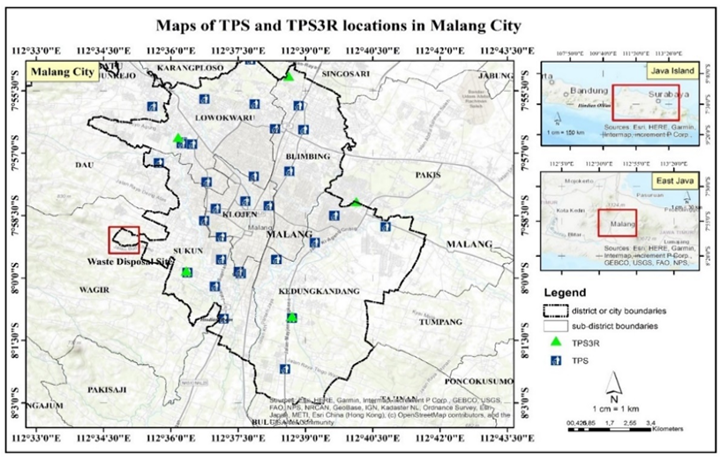
Figure 1. Research location
2.1 Location and subject of research
This research was conducted in Malang City (Figure 1). This is due to environmental problems, especially waste management in Malang City, which is still not optimal. Waste in Malang City is still processed with the old paradigm (take, transport, dispose of). The research subjects included six stakeholders in the Hexahelix model: governments (Environmental Agencies), academics (universities), industry (waste management companies), communities (environmental care groups), local media, and financial institutions involved in environmental projects (waste banks, waste collectors).
2.2 Data collection
The data in this study were collected through three main methods: in-depth interviews, participatory observations, and documentation analysis. In-depth interviews were conducted with key informants from the various sectors involved in the Hexahelix model, including government officials, academics, industry players, community members, media, and representatives of financial institutions. These interviews aimed to explore the perceptions, challenges, and roles of each actor in the implementation of the circular economy for waste management in Malang City [4]. Furthermore, participatory observations were conducted at the locations of circular economy-based environmental management projects involving cross-sector collaboration. Through these observations, researchers can observe the interaction between actors as well as the real impact of the collaboration that occurs.
Documentation from field studies, government reports, environmental policies, articles, and local media news is analyzed to provide additional context and serve as supporting secondary data. This documentation includes information about the existing condition of waste in Malang City and the steps that have been taken by the government and the private sector in dealing with these environmental problems. The use of these various methods ensures that the data obtained is not only varied but also valid, allowing triangulation to improve the accuracy of the findings.
2.3 Data analysis
The data analysis conducted in this study is based on an interactive model developed by Miles and Huberman involving three main components that take place iteratively: data reduction, data presentation, and conclusion/verification. Data reduction is the stage where the data collected is simplified and filtered to focus on the aspects that are most relevant to the research question. This process occurs throughout the study, starting from the beginning of data collection and continuing dynamically. This stage is followed by data presentation, which aims to display the data that has been reduced in an organized format, such as a table, graph, or descriptive narrative. This presentation makes it easier for researchers to identify important patterns that emerge from the data and prepare for the next step, namely drawing conclusions [25].
At the conclusion-drawing stage, the researcher interprets the results of the data analysis to answer the research question. Initial conclusions should be verified and validated through a triangulation process, which involves comparing data from various sources or methods to increase confidence in the findings. This verification is important to ensure that the conclusions drawn truly reflect the phenomenon being studied [26]. This interactive analysis has proven to be particularly relevant in the context of qualitative research that requires flexibility, especially in understanding complex and dynamic phenomena [6].
3.1 Waste condition in Malang City
Malang City is the second largest city in East Java after the city of Surabaya (Figure 2). Population growth and increasing urbanization have resulted in the city of Malang becoming a destination for economic activities. The population and high rate of urbanization are directly proportional to the increase in waste generation. Waste in Malang City is also in second position, with a total of 778 tons/day, equivalent to 284095 tons/day. This condition may directly affect the community because waste with a high capacity will have an impact on environmental conditions, be it air, soil, or water [27]. So, it needs to be overcome with comprehensive measures from various sectors or elements of society so that high waste generation can be managed properly and can generate additional economic value.
Figure 2. Waste generation of cities in East Java
Malang City faces the problem of increasing waste generation, in line with the rate of urbanization and population growth, which in 2023 will reach 847,182 people [1]. Every day, Malang City produces 778 tons of waste, with the main composition of organic waste from food waste as well as inorganic waste such as plastic and paper [28]. The traditional waste management system that relies on the linear method of "take, carry, dispose of" causes waste to accumulate in various places, including at the Supit Urang TPA, whose capacity is almost reaching the maximum limit. As a result of suboptimal management, environmental pollution such as soil and water has become an increasingly urgent issue. In addition, plastic waste that is difficult to decompose often pollutes waterways and worsens the condition of rivers in Malang City. Although several 3R (Reduce, Reuse, Recycle) initiatives have been implemented by local communities, stronger collaboration is still needed between governments, industry, academia, and communities to realize sustainable waste management with a circular economic approach.
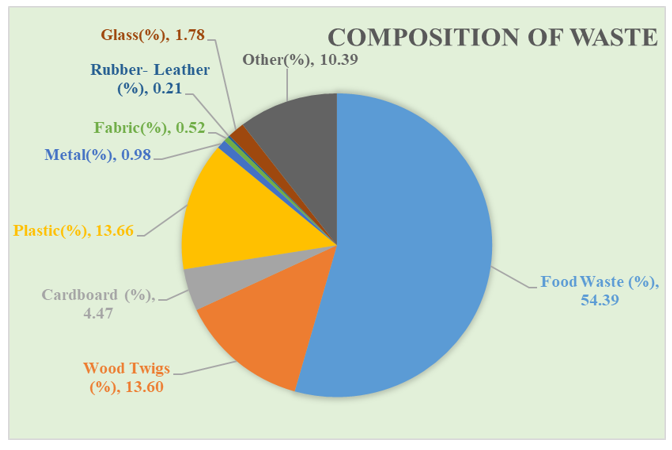
Figure 3. Percentage of waste in Malang City
Figure 3 shows that the composition of waste in Malang City is dominated by food waste at 54.39%, followed by plastic 13.66%, wood and twigs 13.60%, other waste 10.39%, paper/cardboard 4.47%, glass 1.78%, metal 0.98%, and rubber/leather 0.21%. The dominance of organic waste indicates the importance of a management strategy based on composting, bioconversion, or the use of renewable energy, while the high proportion of plastics demands the application of the principle of 3R [29]. To answer this question, the Hexahelix can be a collaborative solution: the government plays a role in setting regulations to reduce single-use plastics and supporting organic processing infrastructure; academics develop innovations in composting and recycling technology; the business sector creates a value chain of recycled products; the community becomes the motor for residents' participation in sorting waste from its source; the media disseminates public education related to waste management; and the waste management industry becomes a reservoir while providing an economic impact on waste management. This collaboration enables more integrated waste management, reducing the burden on landfills, while strengthening the transition to SEM in creating Green City in Malang City.
3.2 Economic value in waste management in Malang City
Waste is not only an environmental problem in Malang City, but also a resource of economic value if further management is carried out [11]. TPS3R BASAMA Bandungrejosari, Sukun District, is a pioneer in waste management innovation that not only focuses on the 3R concept (Reduce, Reuse, Recycle) but also initiates waste with economic value. In addition to being a TPS3R, there is also a waste bank that is used to reduce plastic waste that has economic value so as to reduce the environmental impact caused by waste [22, 30]. Through this program, it will directly impact on the conditions of Malang City, which is cooler, cleaner, and more useful. This program helps raise public awareness of environmental issues. Waste management by directly obtaining economic value greatly helps the community in taking an active role in efforts to preserve a sustainable environment [31]. The following is a table of the economic value of waste at TPS 3R BASAMA Bandungrejosari, Malang City. The waste value at TPS 3R BASAMA Bandungrejosari, Malang City, can be seen in Table 1.
Table 1. Waste value at TPS BASAMA Bandungrejosari, Malang City
|
Category |
Kind |
Price |
|
Paper |
Box |
IDR 1,500/kg |
|
|
Newspaper |
IDR 4,500/kg |
|
|
HVS |
IDR 2,200/kg |
|
|
Opaque |
IDR 1,200/kg |
|
|
Duplek |
IDR 600/kg |
|
Plastic |
Clear PET |
IDR 4,700/kg |
|
|
Light blue PET |
IDR 3,700/kg |
|
|
PET color |
IDR 1,700/kg |
|
|
Bottled water bottle caps |
IDR 3,000/kg |
|
|
Gallon caps |
IDR 4,000/kg |
|
|
Whole gallons |
IDR 3,500/kg |
|
|
Black tub |
IDR 1,000/kg |
|
|
Mixing tub |
IDR 2,000/kg |
|
|
Clean glass |
IDR 4,000/kg |
|
|
Screen printing glass |
IDR 1,800/kg |
|
|
Clear Plastic |
IDR 1,000/kg |
|
|
Crackle |
IDR 400/kg |
|
|
Bag of metalize |
IDR 100/kg |
|
|
Mixed sheet |
IDR 100/kg |
|
|
Sack |
IDR 1,500/kg |
Based on the results of the identification of the economic value of inorganic waste consisting of paper and plastic categories, there is significant potential in supporting the implementation of the circular economy in Malang City. Data shows that the selling price of paper waste varies between IDR 600/kg for duplek to IDR 4,500/kg for newspapers, while the plastic category has a relatively higher economic value, for example, clear PET reaches IDR 4,700/kg, gallon caps IDR 4,000/kg, and clear glass IDR 4,000/kg. This price variation indicates that certain types of waste have greater appeal to recyclers, so they can be a priority in management strategies. With the composition of Malang City's waste dominated by food waste (54.39%) and followed by plastic (13.66%) and paper (4.47%), plastic and paper processing has the potential to make a significant direct economic contribution if managed systematically [32, 33]. Within the framework of the Hexahelix model, the involvement of government actors through basic price regulations, the recycling business sector in supply chain optimization, academics in the preparation of technological innovations, communities in sorting participation, media in public education, and the waste management industry as collectors of waste sorted by the community can strengthen the circular economy-based waste management ecosystem. This cross-sector constructive collaboration is not only able to increase the added value of inorganic waste but also provides concrete solutions to the challenges of Green City by reducing waste generation while creating new sustainable economic opportunities.
3.3 The role of each actor in Hexahelix in waste management in Malang City
The results of this study show that each actor in the Hexahelix has a different role. Each actor is interrelated with the others. The government plays a role in policy regulation and the provision of infrastructure, while industry provides support in the form of financial corporate social responsibility (CSR) and also makes efforts to reduce waste from its production, while academics provide innovation and technology to support sustainable practices [4]. Table 2 explains the role of each actor in sustainable environmental management efforts through waste management.
3.4 The role of actors in the Hexahelix collaboration
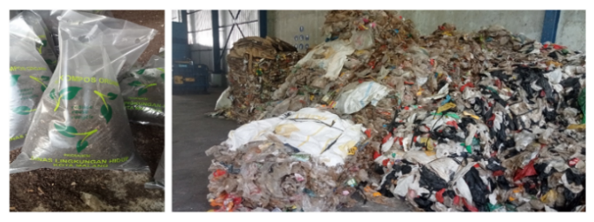
The results of the study show that each actor in the Hexahelix model has a significant role in environmental management based on a circular economy. The government plays a significant role through regulations and policies that encourage the application of circular economy principles in waste management. For example, policies related to the reduction of single-use plastic waste and the implementation of waste management rules at the community level have provided a strong legal basis for changes in consumption and production patterns (Figure 4) [34]. On the other hand, the industry contributes through technological innovation in processing waste into products of economic value, such as organic fertilizers and recycled materials. The role of academics, who focus on the research and development of environmentally friendly technologies, is an important complement in creating synergies between actors, especially in providing data-driven solutions to improve waste management efficiency [30, 35].
Figure 4. Results of organic and plastic waste management
Table 2. Role of actors in Hexahelix
|
Actor |
Main Role |
Contribution to Waste Management |
Implementation Examples |
|
Government |
Regulators, policymakers, and facilitators. |
-Make waste management regulations and circular economy incentives. -Ensure supervision and law enforcement. -Provide waste treatment infrastructure. |
-Local regulations on waste separation. -Integrated waste management facilities. |
|
Academics |
Researcher and innovator in waste management technology and strategy. |
-Developing recycling and waste treatment technology. -Conducting evidence-based policy studies. -Providing training and education related to waste management. |
-Study of plastic recycling technology innovations. -Waste management training program for the community. |
|
Community organizations |
The main driver in implementation at the local level. |
-Sorting waste at the source. -Participating in waste management programs such as waste banks. -Encouraging collective awareness for sustainable waste management. |
-Establishment of local waste banks. -Community movement to not use single-use plastics. |
|
Private or business |
Provider of resources, technology, and business models based on the circular economy. |
-Using environmentally friendly materials in production. -Developing recycling-based businesses. -Encouraging corporate social responsibility (CSR). |
-Community-based waste bank by the company. -Waste recycling business into products with selling value. |
|
Medium time |
Disseminator of information, public education, and promote change in people's behavior. |
-Public campaigns related to waste management. -Educating the public about the benefits of the circular economy. -Providing transparency related to government policies. |
-"Reduce, Reuse, Recycle" campaign through advertising. -Special coverage on waste management innovations. |
|
Financial institutions |
Financing providers and supporting environment-based investments. |
-Provide green credit for recycling businesses. -Provide incentives for companies that use environmentally friendly technology. -Increase green investment. |
-Providing credit for recycling-based startups. -Investment in organic waste management infrastructure. |
The community has a crucial role in supporting the implementation of the circular economy program through active participation in 4R (Reduce, Reuse, Recycle, Replace) based waste management. Public awareness and education are essential elements in the success of the Hexahelix model. The study found that communities that have run waste banks or local-scale recycling programs show significant results in reducing household waste generation [22]. The media also play a role as a driver of social change by publicizing the success of environmental management initiatives and providing educational information to the public. Meanwhile, financial institutions support environmentally friendly projects through funding and provide incentives to businesses that implement sustainable practices [36].
The study also identified challenges that need to be addressed, such as cross-sectoral policy inconsistencies and low levels of public awareness in some groups. These obstacles show the need to strengthen collaboration between Hexahelix actors, especially in building effective communication and aligning visions in the implementation of the circular economy. By overcoming these challenges, Malang City has a significant opportunity to become an example of a sustainable city in Indonesia. The research not only emphasizes the importance of cross-sectoral collaboration but also provides concrete recommendations for policy development, such as incentives for green industries and intensive public education campaigns, to accelerate the transition to a circular economy [37, 38].
3.5 Challenges in implementation
Although various collaborative initiatives have been conducted in the management of circular economy-based environments in Malang City, structural barriers are still the main obstacles. One of the biggest challenges is the regulatory inconsistency between the central and local government levels, which often creates confusion in policy implementation. Out-of-sync regulations, especially related to waste management and incentives for circular economy actors, result in slow adoption of sustainable practices by the industrial sector and society [37]. In addition, the lack of legal instruments that encourage cross-sectoral collaboration further limits the effectiveness of the Hexahelix model as a collaborative approach in environmental management.
The lack of coordination between actors is also a significant challenge in optimizing the role of each party. The study found that communication between government, the private sector, and communities often fails to be effective, resulting in duplication of programs or initiatives that do not support each other. Academics and the media, which are supposed to be the liaison and provider of strategic information, are often not optimally involved in the decision-making process. This creates a gap between policy plans and implementation on the ground, which has an impact on low community participation in circular economy-based environmental management programs [22, 31].
In addition, limited human and financial resources further complicate efforts to achieve sustainability. The lack of a competent workforce in the field of circular economy and environmental management is a challenge for the government and industrial sectors to implement new innovations. On the other hand, inadequate funding, both from the government and financial institutions, limits the development of supporting technologies and infrastructure such as recycling facilities or organic waste treatment. These barriers emphasize the need for an integrated strategy that not only improves regulation, but also encourages better coordination between actors and improves resource allocation to support the transition to a sustainable circular economy [39].
An actionable solution to address these challenges is through the application of the Hexahelix model that emphasizes multi-actor constructive collaboration. First, the government needs to strengthen regulations and provide fiscal incentives to encourage recycling and the use of organic waste for compost or renewable energy [36]. Second, academics are expected to develop innovative processing technologies that are efficient and applicable, such as household biogas from food waste and high-value plastic recycling methods. Third, the business sector can integrate an extended producer responsibility (EPR) system and expand the market for recycled products. Fourth, the community must be empowered through education and direct economic incentives, such as waste banks that utilize the selling price of PET plastic (IDR 4,700/kg) and newsprint (IDR 4,500/kg). Fifth, the media has a role in building public awareness through sustainable campaigns. Finally, financial institutions can provide green financing schemes for waste processing micro, small, and medium-sized enterprises (MSMEs). Challenges in waste management can not only be overcome, but also converted into opportunities for sustainable green economic development [40]. The integration between policies, innovation, participation, and investment makes waste management based on the circular economy not just a discourse, but a practical solution in supporting the transformation of Malang into a Green City.
3.6 Opportunities for collaborative development
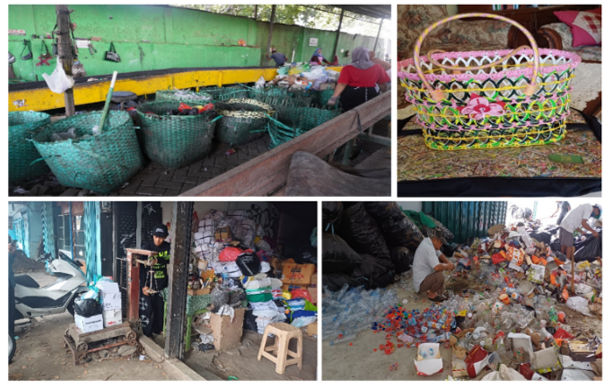
A significant opportunity to increase collaboration in circular economy-based environmental management can be leveraged through public education programs that focus on increasing public awareness. Comprehensive education on the benefits of the circular economy, such as waste reduction and resource efficiency, can encourage active community participation in 3R (Reduce, Reuse, Recycle) recycling and waste management programs (Figure 5). In addition, the dissemination of information through mass media and digital platforms can expand the reach of public education, thereby creating a collective mindset that supports sustainability [41]. By increasing public understanding, constructive collaboration between the community, government, and business sector in the Hexahelix model can be realized more effectively.
Figure 5. Circular economy through waste management
In addition to education, providing incentives to industries that are committed to circular economy practices is an important strategy to accelerate cross-sector collaboration. Fiscal incentives such as tax reductions or grants for green innovation can encourage industries to develop recycling technologies or utilize waste as raw materials [42]. On the other hand, the increased use of green technologies, such as renewable energy-based organic waste treatment systems, can provide practical solutions to complex waste management challenges. This technology not only supports resource efficiency but also creates new sustainable business opportunities [13]. With a combination of public education, incentives for industry, and technological innovation, Malang City has great potential to become a pioneer in the implementation of the circular economy in Indonesia.
The SEM in waste management based on the circular economy offers significant opportunities for Malang City to realize sustainable development through constructive collaboration between the government, academia, industry, community, the media, and the waste management industry. This approach allows for resource optimization, waste reduction, and sustainable innovation that can more effectively address urban environmental challenges. To ensure maximum implementation, it is necessary to improve cross-sector coordination to align the vision and responsibilities of each actor. More integrated regulatory reforms and the provision of incentives that support the circular economy are essential elements in encouraging the commitment of each party. With stronger support from all stakeholders, Malang City has the potential to become a Green City model that is not only relevant at the national level but also globally.
Thank you to the promoter, co-promoter, and head of the postgraduate study program in Geography Education who have provided moral support for the implementation of this research.
[1] BPS Kota Malang. (2024). Kota Malang dalam Angka 2024. BPS Kota Malang/BPS-Statistics of Malang Municipality. https://malangkota.bps.go.id/id/publication/2024/02/28/e7d11012c6940bb521e9c100/kota-malang-dalam-angka-2024.html.
[2] Das, S., Lee, S.H., Kumar, P., Kim, K.H., Lee, S.S., Bhattacharya, S.S. (2019). Solid waste management: Scope and the challenge of sustainability. Journal of Cleaner Production, 228: 658-678. https://doi.org/10.1016/j.jclepro.2019.04.323
[3] Sumarmi, Putra, A.K., Sahrina, A., et al. (2024). Implementing the OBE model in plastic waste management using the 4R EPR pattern for green campus. International Journal of Environmental Impacts, 7(3): 455-473. https://doi.org/10.18280/ijei.070308
[4] Del Carmen-Niño, V., Herrera-Navarrete, R., Juárez-López, A.L., Sampedro-Rosas, M.L., Reyes-Umaña, M. (2023). Municipal solid waste collection: Challenges, strategies and perspectives in the optimization of a municipal route in a southern Mexican town. Sustainability, 15(2): 1083. https://doi.org/10.3390/su15021083
[5] Diartika, E.I.A., Sueb, S. (2021). Case study on waste pollution and waste management at Supit Urang landfill Malang. Jurnal Pembangunan Wilayah dan Kota, 17(1): 70-82. https://doi.org/10.14710/pwk.v17i1.33366
[6] O’Connor, G. (2021). Shifting the value of food and organic waste management in the food services sector in Brisbane, Australia. Resources, Conservation & Recycling Advances, 12: 200052. https://doi.org/10.1016/j.rcradv.2021.200052
[7] Sumarmi, Bachri, S., Masruroh, H., et al. (2024). A spatial model of microplastic pollution mitigation as an effort to preserve the Brantas River ecosystem. Environment and Ecology Research, 12(6): 567-581. https://doi.org/10.13189/eer.2024.120601
[8] Kurniawan, T.A., Meidiana, C., Othman, M.H.D., Goh, H.H., Chew, K.W. (2023). Strengthening waste recycling industry in Malang (Indonesia): Lessons from waste management in the era of Industry 4.0. Journal of Cleaner Production, 382: 135296. https://doi.org/10.1016/j.jclepro.2022.135296
[9] Ardolino, F., Cardamone, G.F., Arena, U. (2021). How to enhance the environmental sustainability of WEEE plastics management: An LCA study. Waste Management, 135: 347-359. https://doi.org/10.1016/j.wasman.2021.09.021
[10] Gittins, T., Letenyei, L. (2025). Informal waste collection and municipal waste management in Hungary: A pilot project featuring smartphones to estimate the extent of informally retrieved bulky waste. Waste Management, 200: 114757. https://doi.org/10.1016/j.wasman.2025.114757
[11] Prieto-Sandoval, V., Jaca, C., Ormazabal, M. (2018). Towards a consensus on the circular economy. Journal of Cleaner Production, 179: 605-615. https://doi.org/10.1016/j.jclepro.2017.12.224
[12] Lybæk, R., Kjær, T. (2024). How can circular economy strengthen the recycling of plastic packaging wastes? Exploratory and qualitative case study of the Danish plastic industry. Environmental Research, Engineering and Management, 80(3): 86-98. https://doi.org/10.5755/j01.erem.80.3.35925
[13] Geissdoerfer, M., Savaget, P., Bocken, N.M.P., Hultink, E.J. (2017). The circular economy – A new sustainability paradigm? Journal of Cleaner Production, 143: 757-768. https://doi.org/10.1016/j.jclepro.2016.12.048
[14] Saiphet, A., Kunta, K. (2023). Municipal food waste management and its greenhouse gas emission in Thailand: A case study of 8 municipalities. Environmental Research, Engineering and Management, 79(3): 60-74. https://doi.org/10.5755/j01.erem.79.3.33014
[15] Carayannis, E.G., Campbell, D.F.J. (2009). ‘Mode 3’ and ‘Quadruple Helix’: Toward a 21st century fractal innovation ecosystem. International Journal of Technology Management, 46(3-4): 201-234. https://doi.org/10.1504/IJTM.2009.023374
[16] Goh, S.L., Yap, K.S., Neo, E.R.K., et al. (2025). Life cycle assessment of plastic waste end-of-life scenarios in South and South East Asia. Waste Management, 200: 114760. https://doi.org/10.1016/j.wasman.2025.114760
[17] de Pádua Pieroni, M., Pigosso, D.C.A., McAloone, T.C. (2018). Sustainable qualifying criteria for designing circular business models. Procedia CIRP, 69: 799-804. https://doi.org/10.1016/j.procir.2017.11.014
[18] Sumarmi, Putra, A.K., Mutia, T., et al. (2024). Local wisdom for global challenges: Memayu Hayuning Bawono as a model for sustainable environmental practices. International Journal of Sustainable Development and Planning, 19(2): 527-538. https://doi.org/10.18280/ijsdp.190210
[19] Yunas, N.S., Susanti, A., Izana, N.N., Widyawati, W. (2023). The pentahelix model in the development of agro-culture-based edutourism in the Taman Nasional Bromo Tengger Semeru buffer village area (A study in Tosari Village, Pasuruan Regency and Sapikerep Village, Probolinggo Regency). Sodality: Jurnal Sosiologi Pedesaan, 11(1): 76-85. https://doi.org/10.22500/11202344218
[20] Chaerani, T., Sayaranamual, S.F., Prawira Atmaja, K.B., Youwe, S.M. (2024). AFT Pattimura CSR pentahelix collaboration in the implementation of waste management center social innovation program: NEKAT SA (Negeri Katong Tanpa Sampah). Jurnal Indonesia Sosial Teknologi, 5(8): 3652-3666. https://doi.org/10.59141/jist.v5i8.1249
[21] Kapsdorferová, Z., Zábojníková, V., Čereš, M., Švikruhová, P., Fronc, K. (2023). Innovation activities to reduce food losses and food waste in the Slovak Republic. Environmental Research, Engineering and Management, 79(4): 57-66. https://doi.org/10.5755/j01.erem.79.4.33604
[22] Kirchherr, J., Reike, D., Hekkert, M. (2017). Conceptualizing the circular economy: An analysis of 114 definitions. Resources, Conservation and Recycling, 127: 221-232. https://doi.org/10.1016/j.resconrec.2017.09.005
[23] Levitt, H.M., Bamberg, M., Creswell, J.W., Frost, D.M., Josselson, R., Suárez-Orozco, C. (2018). Journal article reporting standards for qualitative primary, qualitative meta-analytic, and mixed methods research in psychology: The APA Publications and Communications Board task force report. American Psychologist, 73(1): 26-46. https://doi.org/10.1037/amp0000151
[24] Hollweck, T. (2015). Robert K. Yin. (2014). Case Study Research Design and Methods (5th ed.). Canadian Journal of Program Evaluation, 30(1): 108-110. https://doi.org/10.3138/cjpe.30.1.108
[25] Hashimov, E. (2015). Qualitative Data Analysis: A Methods Sourcebook and The Coding Manual for Qualitative Researchers: Matthew B. Miles, A. Michael Huberman, and Johnny Saldaña. Thousand Oaks, CA: SAGE, 2014. 381 pp. Johnny Saldaña. Thousand Oaks, CA: SAGE, 2013. 303 pp. Technical Communication Quarterly, 24(1): 109-112. https://doi.org/10.1080/10572252.2015.975966
[26] Miles, M.B., Huberman, A.M., Saldaña, J. (2014). Qualitative Data Analysis: A Methods Sourcebook (3rd ed.). SAGE Publications, Inc.
[27] Rahayu, M.M., Budiman, J., Machrunnisa, Hutagalung, I.R., Andriani, T. (2024). Identification of community awareness and perceptions of groundwater pollution around the Supit Urang TPA, East Java. Journal of Community Service, 6(1): 63-78. https://doi.org/10.56670/jcs.v6i1.205
[28] Monfared, M., Marandi, F., Sauer, P.C. (2025). Achieving sustainable development by integrating circular economy principles into solid waste management: A systematic literature review and research agenda. International Journal of Production Economics, 290: 109787. https://doi.org/10.1016/j.ijpe.2025.109787
[29] Ain, Q., Ahmad, S., Jamshaid, M.U., Ali, M., Safdar, H. (2025). Management of fruit and vegetable waste through composting along with naturally occurring minerals. International Journal of Recycling of Organic Waste in Agriculture, 14(3): 1-11. https://doi.org/10.57647/ijrowa-2zzr-s758
[30] Tanveer, M., Khan, S.A.R., Umar, M., Yu, Z., Sajid, M.J., Haq, I.U. (2022). Waste management and green technology: Future trends in circular economy leading towards environmental sustainability. Environmental Science and Pollution Research, 29(53): 80161-80178. https://doi.org/10.1007/s11356-022-23238-8
[31] Lerdlattaporn, R., Phalakornkule, C., Trakulvichean, S., Songkasiri, W. (2021). Implementing circular economy concept by converting cassava pulp and wastewater to biogas for sustainable production in starch industry. Sustainable Environment Research, 31: 20. https://doi.org/10.1186/s42834-021-00093-9
[32] Pilapitiya, P.G.C.N.T., Ratnayake, A.S. (2024). The world of plastic waste: A review. Cleaner Materials, 11: 100220. https://doi.org/10.1016/j.clema.2024.100220
[33] Nafiu, S.A., Azeez, M.O., AlAqad, K.M., Olarewaju, T.A., Yerima, E.A., Tanimu, A. (2025). Waste plastic management: Recycling and the environmental health nexus. Cleaner Materials, 15: 100291. https://doi.org/10.1016/j.clema.2024.100291
[34] Paes, M.X., Puppim de Oliveira, J.A., Mancini, S.D., Rieradevall, J. (2024). Waste management intervention to boost circular economy and mitigate climate change in cities of developing countries: The case of Brazil. Habitat International, 143: 102990. https://doi.org/10.1016/j.habitatint.2023.102990
[35] Guerrero, L.A., Maas, G., Hogland, W. (2013). Solid waste management challenges for cities in developing countries. Waste Management, 33(1): 220-232. https://doi.org/10.1016/j.wasman.2012.09.008
[36] Zueva, S., Ferella, F., Corradini, V., Vegliò, F. (2024). Review of organic waste-to-energy (OWtE) technologies as a part of a sustainable circular economy. Energies, 17(15): 3797. https://doi.org/10.3390/en17153797
[37] Antikainen, M., Valkokari, K. (2016). A framework for sustainable circular business model innovation. Technology Innovation Management Review, 6(7): 5-12. https://doi.org/10.22215/timreview/1000
[38] Viscardi, S., Colicchia, C. (2024). A classification of food products to enhance circular economy and reduce waste: A systematic literature review. Resources, Conservation & Recycling Advances, 23: 200229. https://doi.org/10.1016/j.rcradv.2024.200229
[39] Banihashemi, S., Meskin, S., Sheikhkhoshkar, M., Mohandes, S.R., Hajirasouli, A., LeNguyen, K. (2024). Circular economy in construction: The digital transformation perspective. Cleaner Engineering and Technology, 18: 100715. https://doi.org/10.1016/j.clet.2023.100715
[40] Carrizo Moreira, A., Rêga Pereira, C., Fernandes Lopes, M., Rodrigues Calisto, R.A., Teixeira Vale, V. (2023). Sustainable and green city brand. An exploratory review. Cuadernos de Gestión, 23(1): 23-35. https://doi.org/10.5295/cdg.221715ac
[41] Muyassarah, M., Muslim, M.S., Faizah, F.N., Arafat, A.T. (2022). Pentahelix movement through ecopreneurship-based waste management. Dimas: Dimas: Jurnal Pemikiran Agama untuk Pemberdayaan, 22(2): 285-300. https://doi.org/10.21580/dms.2022.222.12983
[42] Farahdiba, A.U., Warmadewanthi, I.D.A.A., Fransiscus, Y., Rosyidah, E., Hermana, J., Yuniarto, A. (2023). The present and proposed sustainable food waste treatment technology in Indonesia: A review. Environmental Technology & Innovation, 32: 103256. https://doi.org/10.1016/j.eti.2023.103256