Nakije Kida | Albana Pasjaqa* | Ylber Prekazi | Albulena Ramadani | Vesa Morina | Julinda Morina
© 2025 The authors. This article is published by IIETA and is licensed under the CC BY 4.0 license (http://creativecommons.org/licenses/by/4.0/).
OPEN ACCESS
The study analyzes the well-being of contributory pensioners in Kosovo, focusing on financial, legal, and emotional aspects. Kosovar pensioners face low incomes and weak pension legislation. To address this issue, a structured questionnaire was randomly distributed to contributory pensioners across Kosovo. The data were analyzed using SPSS software. To ensure the validity and reliability of the Generalized Linear Model (GLM), statistical tests such as Cronbach's Alpha, Hotelling's T-Squared, Breusch-Pagan test, KMO & Bartlett's Test, and Principal Component Analysis (PCA) were employed. The study evaluated four hypotheses examining various factors influencing the well-being of contributory pensioners in Kosovo. H1 explored administrative and legal variables. The results indicated that regular reporting to the Pension Administration (RE6MPC) had a borderline positive impact on well-being (β = 0.803, p = 0.051), while the perception that the State Very Active (SVA) had a significant positive effect (β = 1.016, p = 0.016). Legal Reform (LR), however, showed a significant negative impact (β = -0.912, p = 0.039). H2 focused on financial variables, but none of the predictors—including pension increase and support for medications—were statistically significant. H3 assessed health and lifestyle factors, finding that hobbies and walking were significantly and positively associated with well-being (p < 0.01), while poor health negatively impacted well-being (β = -0.566, p = 0.017); marital status was not significant. H4 utilized Pearson correlation analysis, revealing that variables such as marital status, health, and perceived state activity were positively and significantly associated with well-being, while Equal Evaluation of Contributory and Non-Contributory Pensions (EECNCP) had a significant negative correlation (r = -0.370, p = 0.008). Overall, the results partially support H1 and H4, fully support H3, and do not support H2. The recommendations include strengthening health and social support, increasing state commitment, ensuring equality in the treatment of pensioners, and increasing the contributory pension category. Originality, this is the first study to measure the well-being of contributory pensioners in Kosovo through the GLM approach and to identify socio-emotional-legal factors as more important than financial factors even though the pension does not exceed 318 euros as of 2025.
external environment, legal framework, socio-economic factors, concerns, pensioners
The well-being of pensioners is a complex issue that requires a sustainable socio-demographic and legal approach to ensure a dignified standard of living. According to ILO [1], "sustainable social policies and the expansion of support for pensioners are necessary to support post-crisis recovery, inclusive development, and social justice." The organization also emphasizes that "many countries have found effective solutions to maintain the balance between adequacy and sustainability of pension systems through democratic policy dialogues, informed by independent expertise," highlighting the importance of tailoring solutions according to each country's social and political context [1].
In this context, Stiglitz [2] observed that during times of economic crisis, spending on social protection and unemployment schemes should automatically increase to stabilize the economy. However, he argues that recent changes in tax systems and the shift from defined benefit to defined contribution pension systems have weakened these automatic stabilizers, in some cases turning them into economic destabilizers. A key element in pension reforms in the European Union has been the involvement of social partners, who have helped find acceptable solutions for all stakeholders [3]. The experience of Central and Eastern European countries has shown that the partial or full privatization of public pension systems between 1981-2008 created financial challenges, forcing some countries to re-nationalize private pension fund assets to ensure budgetary stability [1, 4, 5]. Mesa-Lago [6] analyzed this trend, noting that some countries such as Argentina, Bolivia, Chile, and Hungary have taken steps to review and strengthen public pension systems in an effort to improve coverage and financial sustainability. Given that pension system reforms often focus primarily on financial aspects, the impact of legal and emotional factors on pensioner well-being has remained underexplored. Chandler and Tetlow [7] note that the development of pension systems in the 1960s and 1970s enabled pensioners to actively participate in social and cultural life, reducing social exclusion.
While many studies have emphasized the financial aspect of pensioner well-being, less attention has been given to the legal and emotional dimensions. This study aims to fill this gap by examining a broader range of factors influencing pensioner well-being.
For instance, Friedman [8] and Modigliani and Brumberg [9] predicted that individuals plan their consumption steadily throughout the life cycle, using savings to maintain a stable level of spending even after retirement. However, Akerlof [10] noted that a significant reduction in consumption after retirement often indicates undersaving, a phenomenon known as the "retirement-consumption puzzle." Beblo and Schreiber [11] also highlighted that in Germany, pensioners significantly reduce their housing expenses, although this cannot be fully offset by increased leisure time, suggesting that additional factors may influence this behavior.
According to Banks et al. [12] and Bernheim et al. [13], British and American families experience a decline in consumption upon retirement, known as the "retirement-consumption puzzle," which challenges the life-cycle model. Some researchers link this to financial shocks or simple savings rules. Hurd and Rohwedder [14] supported the life-cycle consumption model. Miniaci et al. [15] observed a 5.44% decline in consumption in Italy, while Lührmann [16, 17] identified a 17% spending decrease and increased household work time. Holzmann et al. [18] introduced the World Bank framework with five pillars for pension systems, emphasizing poverty protection and income security in retirement. In Greece, Symeonidis and the Hellenic Actuarial Authority [19] highlighted reforms to ensure a sustainable pension system, limiting expenses while guaranteeing adequate pensions for a dignified life. Bender [20, 21] examined pensioner well-being, emphasizing that factors like health, income, and pension type are crucial. Pensioners who retire unwillingly or face health issues tend to have lower well-being.
The focus of this study is to analyze the legal, financial, and emotional factors that influence the well-being of contributory pensioners in Kosovo and the sustainability of policies supporting their welfare. The pension system in Kosovo has undergone several significant phases [22, 23]. After important reforms in 2002, four main pillars were established: state-funded basic pensions, mandatory contributory pensions, voluntary pensions, and schemes for specific groups [23, 24].
The Constitution of the Republic of Kosovo, through Article 51, guarantees the right to social protection by linking the well-being of individuals of retirement age with the adoption of specific laws, while the details of the implementation of these principles are delegated to the respective legislature [24]. Law No. 04/L-131 regulates and defines basic pensions, contributory pensions, disability pensions, early retirement pensions, family pensions, and work-related disability pensions, as part of the first pillar funded by the state [25].
Based on this issue, the focus of the study is to measure the impact of financial and emotional factors on the well-being of contributory pensioners. Those who have paid contributions for at least 15 years can expect between 182 and 265 euros, depending on their education level. Currently, over 55,410 individuals in Kosovo receive contributory pensions ranging from 182 to 265 euros (until December 2024), with a 20% increase expected in 2025, raising the contributory pension to 318 euros [26]. However, the current pension is very low, and pensioners associate their well-being with the possibility of legal changes that could increase pension income.
The study focuses on the impact of factors such as health, financial support, and pension income on the well-being of contributory pensioners. This analysis is important for providing recommendations for legal reforms that could improve the conditions of pensioners in Kosovo, considering that there is currently no social security system based on the "pay-as-you-go" model [26].
The well-being of pensioners in Kosovo is a complex issue, highly dependent on the impact of social and legal policies, as well as economic developments in the country. Since the period of former Yugoslavia, the pension system in Kosovo has undergone several important phases. After 1989, Albanians were excluded from the pension scheme, leaving them without benefits, which led to severe economic and social consequences for this group. This period of exclusion had a profound impact on the well-being of pensioners, leaving them without adequate financial support.
After the war in 1999, the UNMIK administration established a new pension system in 2002, implementing Regulation No. 2001/35 [27]. This system included basic pensions for all individuals over 65 years of age and contributory pensions for those who had made contributions before 1999 [26]. However, this system faced numerous challenges, including low pension levels and difficulties in including various groups of pensioners, which directly affected their ability to meet daily economic and social needs. Thus, the impact of policies and subsequent developments has been crucial in determining the well-being of contributory pensioners in Kosovo.
The main issue of the study is the very low pension levels in Kosovo. In October 2024, all pensions were increased by 20%, including the Contributory Pension for the elderly, which ranges from 182 to 318 euros, depending on the level of education [28]. However, this increase remains low and is insufficient to meet the basic needs of pensioners, leaving them to face significant economic and social difficulties.
In January 2025, the number of contributory pensioners was 48,066, of which 38,466 were men and 9,600 were women. Furthermore, 98% of the beneficiaries are Albanian, and only 2% are non-Albanian [26]. Another scheme that saw a slight increase was the compensation for education workers from 1990/91 to 1998/99, rising from 14,326 in January to 14,377 in February. The highest number of beneficiaries is in Pristina, followed by Gjakova and Ferizaj [26]. However, despite the pension increase in 2022, pensions remain low and insufficient to cover basic needs, leaving many pensioners dependent on state assistance and family support.
This issue is analyzed in three dimensions: economic, legal, and emotional. Financially, pensions do not keep up with the rising cost of living. Legally, the failure to implement rules for periodic pension increases is not in line with international standards, while emotionally, this situation has caused insecurity and anxiety among pensioners, negatively affecting their well-being.
Some studies emphasize that low pensions and the lack of indexing to inflation create financial difficulties for this social group [29]. Holzmann [30] also highlighted the importance of pension system reforms for economic stability and the security of the elderly population, analyzing the experiences and challenges from over 60 countries where the World Bank has supported pension reforms.
In addition to the financial impact, studies have also highlighted the emotional effects experienced by pensioners in difficult socio-economic conditions. According to Van Assche et al. [31], pensioners face emotional insecurity, especially when they experience social isolation and lack of family support. Meanwhile, Chen and Feeley [32] emphasized that support from a spouse/partner and friends reduces loneliness and improves well-being, while stress from various sources worsens it, with loneliness serving as a mediator in this relationship. To address these challenges, international reports suggest best practices from developed countries that ensure a sustainable and indexed pension to cover the cost of living [33].
2.1 Pensioners' concerns about low income
The financial effect plays a crucial role in the well-being of contributory pensioners, directly influencing their standard of living and ability to meet basic needs.
According to Ferrer-i-Carbonell [34], utility theory is based on the idea that "more is better," suggesting that higher income leads to greater individual satisfaction. Technically, higher income enables consumers to achieve a higher level of well-being. However, the impact of income on well-being remains a subject of debate. According to Gataūlinas & Banceviča, income does not have a significant effect on well-being, and data shows that wealthier individuals are only slightly happier than poorer ones [35]. Furthermore, economic growth in Western countries has not necessarily resulted in increased happiness. The study by Kahneman and Deaton [36] highlighted that income affects life evaluation and emotional well-being differently, suggesting that other factors play a crucial role. In line with this, Bonsang et al. [37] observed that retirees report lower levels of well-being compared to workers, indicating that retirement may have negative effects on quality of life. On the other hand, Luengo-Prado and Sevilla [38] found that in Spain, during the period 1985-2004, there was little evidence of a "retirement consumption puzzle." Although household food expenditures decreased, families began to pay lower prices for food after retirement, suggesting an increase in home production, particularly among men. Been et al. [39] noted that pre-retirement average expenditures amount to \$53,794.62 for men and \$51,122.41 for women, with a subsequent decline of 16% and 5%, respectively, after retirement. Similarly, Hurd and Rohwedder [40] found that while the life-cycle model predicts that consumers plan their spending in advance, British and American households often reduce consumption after retirement. This decline is not due to a lack of resources but is mainly linked to the discontinuation of work-related expenses and the substitution of purchased goods with home production.
Other studies emphasize that the financial well-being of retirees declined immediately after transitioning from employment to retirement, causing physical health issues due to the decrease in financial resources [41]. The study by Smith et al. [42] on the Psychosocial and Lifestyle Questionnaire (2006-2022) demonstrates that psychosocial and lifestyle factors, such as health, social participation, and life engagement, significantly influence the well-being of older adults, with income being important but social and demographic factors, such as social status, age, gender, and education level, having a greater impact on their quality of life and health over time [42]. Retirees often report lower levels of well-being compared to workers, yet causal studies suggest that retirement has a negligible effect on well-being [37]. The analysis of the impact of pension income on retirees' financial well-being shows that expenditures tend to decrease after retirement, primarily due to the cessation of work-related expenses [43]. While pension income provides financial stability, it often does not maintain the pre-retirement standard of living, resulting in a decrease in spending after retirement [44]. Although higher pension income may contribute to life satisfaction, factors such as health and social support play a larger role in improving overall happiness [45]. The older population is net lenders, they tend to be economically vulnerable to high and rising inflation. Their harm from inflation varies depending on the composition of their household's economic resources [46]. Using comprehensive transaction-level panel data, Olafsson and Pagel [47] document that individuals pay down consumer debt and save more after retirement, a finding that is surprising since, in principle, individuals should save more in anticipation of the expected decline in income after retirement. They explore possible explanations for their findings, including reduced work-related expenses and increased health risks around retirement, which are the main explanations for the so-called pension-consumption and pension-savings puzzles. According to Gushi [48], to ensure that the pension system remains sustainable and adapted to socio-economic developments, it is essential to continue with reforms, especially in the mandatory pension scheme.
In conclusion, while pension income provides financial stability, it is often insufficient to maintain pre-retirement living standards, and the financial well-being of retirees is significantly impacted by increased expenses, health concerns, and social support systems.
2.2 The unfavorable legal environment and pensioners' concerns
The legal effect is essential for the well-being of contributory pensioners, as the implementation of regulations and social policies determines their access to and benefits from financial support. International pension principles aim to protect individuals from economic risks and ensure a dignified life. Convention No. 102 on Minimum Social Security Standards stipulates that benefits must protect recipients from the loss of value due to inflation, while Convention No. 128 (1967) emphasizes the need for adequate and sustainable pensions [49]. Additionally, the European Convention on Human Rights and the European Code of Social Security set standards for social protection, while the EU recommends schemes that align income with the cost of living [49, 50].
In the context of population aging, studies such as that of Mora [51] highlighted that the ratio of individuals over 65 years old to the working-age population is expected to triple by 2050, challenging the capacity of current reforms. International comparisons, such as those by Medaiskis and Eirošius [52], reveal that while the Swedish system offers stronger income protection, Lithuania's distribution of contributions is more equitable. However, women are at higher risk of poverty due to lower wages and shorter contribution periods.
Other studies emphasize the need for legal review and pension system reforms to improve the management and coverage of benefits. EGYE and Ramli [53] noted that delays in receiving benefits negatively affect the productivity of active workers, while Adewumi [54] reported significant challenges in Nigeria due to delays, lack of healthcare, and politicization of responsibilities. In Hungary, the Recovery and Resilience Plan aims for reforms to address these issues through a flexible retirement age and public discussions led by the Fiscal Council [55].
Bielawska [56] analyzed pension reforms in Central and Eastern European countries after their transition from planned economies to open markets. Initially, these countries inherited public pension systems facing numerous challenges. As a result, most introduced structural reforms that included mandatory pension funds alongside public PAYG schemes. However, after a decade and during the global financial crisis, some countries opted to retreat from these reforms. The study focuses on fiscal factors that led to either a reversal or maintenance of the status quo in eight countries: Bulgaria, Estonia, Hungary, Latvia, Lithuania, Poland, Romania, and Slovakia. Bielawska [56] further analyzed the reasons for early retirement among Poles and changes in these motivations over time. According to the study, many pensioners tend to retire as early as possible, and those who retired between ages 65-74 often continued economic activity for several years. Some who retired early and did not work later regretted this decision. Those over 75 often cited health problems as the main reason for early retirement. The study highlights important aspects for public policy in the pension field.
Etuk [57] observed that pension reforms in Nigeria have faced difficulties due to a lack of proper education on procedures and the role of institutions. Collins and Hughes [58] noted that fiscal support for pensions in Ireland benefits higher-income individuals, risking the adequacy of pensions for the rest of the population. Börsch-Supan et al. [59] analyzed the impact of population aging and pension reforms on capital markets in Germany. Using an economic model with overlapping generations, they compared existing reforms with a more drastic reform that would raise the current contribution rate and expand the funded component of the pension system. The study predicts a slight decline in the rate of return on capital (around 0.7 percentage points) due to population aging, with a more decisive reform reducing this rate by an additional 0.5 percentage points.
Despite existing reforms and laws, pensioners often remain unprotected due to a lack of education and weak enforcement of policies. Improving public information and the effective implementation of reforms remains crucial for ensuring sustainable pensions.
2.3 The emotional concerns and consequences of the impact of well-being after retirement
The emotional effect plays a crucial role in the well-being of contributory pensioners, influencing feelings of loneliness, security, and social inclusion.
According to Van Assche et al. [60], the emotional effects on older pensioners are significant because elderly individuals have fewer physical relationships and, without a dignified pension, it becomes difficult for them to make efforts to meet desired people or visit preferred places. Behncke [61] examined the negative impact of retirement on health, showing that retirement significantly increases the risk of chronic diseases, especially cardiovascular diseases and cancer, while worsening other factors such as BMI, cholesterol, and blood pressure. These findings suggest that retirement can negatively impact physical abilities and self-reported health, as any change, whether physical or emotional, requires income to address these health concerns. At the same time, Celidoni and Rebba [62] revealed that retirement leads to noticeable changes in health behaviors, as individuals, especially those with higher education, generally reduce physical activity after leaving the work environment. The study also emphasizes the key role that European healthcare systems play in shaping these behaviors [63].
Meanwhile, some studies report positive effects of retirement. Johnston [64] found an improvement in mental health and a sense of well-being, while Eibich [65] and Latif [66] highlighted that retirement may improve subjective health and psychological well-being. In contrast, Rose [66] observed no immediate effects on behavior, cognitive abilities, healthcare usage, or mortality. Dave et al. [67] reported that full retirement significantly increases difficulties in mobility and daily activities, increasing illness and decreasing mental health. Negative effects are smaller for those who are married, engage in physical activity, or continue to work part-time.
Dingemans and Henkens [68] suggested that work after retirement is positively related to life satisfaction, especially for pensioners with low incomes or those without a partner. Clark [69] added a gender dimension, finding that women report higher satisfaction levels from work, which is explained by lower expectations.
In conclusion, retirement has complex emotional effects on contributory pensioners, bringing improvements in mental health and subjective well-being for some, while others experience anxiety and decreased satisfaction due to changes in physical activity, personal expectations, and social context.
This section presents the methodology used to analyze the impact of various factors on the well-being of contributory pensioners in Kosovo, including the data collected, the hypotheses formulated, and the study model based on Generalized Linear Model (GLM) regression analysis.
3.1 Data of the study
This section presents the data utilized in the study, detailing the sources, collection methods, and key characteristics of the dataset. The aim is to provide a comprehensive overview of the data to ensure transparency and facilitate reproducibility of the research findings.
3.1.1 Justification of sample size
In this study, the sample size of 100 contributory pensioners was determined using several well-established and widely accepted methods in the methodological literature, ensuring the reliability and representativeness of the analyses performed.
1) Taro Yamane's formula
One of the primary methods employed was Taro Yamane's formula [70], which provides a simplified approach to calculating sample sizes for finite populations. The formula is expressed as:
$n=\frac{N}{1+N(e)^2}$ (1)
where,
n = sample size;
N = population size (133 in this case);
e = margin of error (0.05 for a 95% confidence level).
Applying this formula with a population size (N) of 133 and a margin of error (e) of 0.05 (representing a 95% confidence level), the calculation proceeds as follows:
$\begin{gathered}n=\frac{N}{1+N(e)^2}=\frac{133}{1+133(0.05)^2}=\frac{133}{1+133(0.0025)}=\frac{133}{1+0.3325}=\frac{133}{1.3325} \approx 99.80 \text { respodentens }\end{gathered}$ (1.1)
Rounding up, the recommended sample size is approximately 100 respondents. This calculation ensures an appropriate margin of error and sufficient statistical reliability for the analyses conducted.
So, for a population of 133 and a 5% margin of error, the recommended sample size is about 100 respondents.
2) Cochran's (1977) formula
For further validation, Cochran’s (1977) formula for infinite populations was adapted using the finite population correction (FPC) [71]:
$n_{a d j}=\frac{n_o}{1+\frac{n_o-1}{N}}$ (2)
where,
$n_{a d j}$ = adjusted sample size considering the finite population;
$n_{o}$ = initial sample size calculated assuming an infinite population;
N = total population size.
Assuming:
In conclusion, the sample size of 100 contributory pensioners was determined using established methodologies, including Taro Yamane’s formula and the Krejcie and Morgan table, ensuring statistical reliability and representativeness for the study population. For a comprehensive understanding of sampling methods [71], Cochran's formula is suitable for calculating sample size in large populations and when a certain level of confidence and a certain margin of error are required.
Applying the FPC formula:
$\begin{aligned} n_{a d j}=\frac{384}{1+\frac{384-1}{133}} & =\frac{384}{1+\frac{383}{133}}=\frac{384}{1+2.88}=\frac{384}{3.88} \approx 99.2\end{aligned}$ (2.1)
This gives a sample size of about 100 participants, which is used in this study.
3) Krejcie and Morgan (1970)
For a population of 133 individuals, the Krejcie and Morgan table [72] (https://www.kenpro.org/sample-size-determination-using-krejcie-and-morgan-table/) recommends a sample size of about 100 participants to achieve statistically reliable results at conventional levels of reliability and power.
In studies using GLM and PCA, it is recommended to have at least 10 observations for each predictor variable to ensure consistent and reliable results. With 11 variables in this study and a sample of 100 participants, this criterion is met, ensuring that the models have sufficient power to detect the required associations between the variables.
Although G*Power software (https://www.psychologie.hhu.de/arbeitsgruppen/allgemeine-psychologie-und-arbeitspsychologie/gpower) was not utilized, the sample size was determined empirically using well-established formulas and guidelines. With a sample of 100 respondents, the study meets and exceeds the recommended thresholds, reinforcing the methodological rigor and validating the adequacy of the chosen sample size.
Future research with larger samples may further validate the findings, but the current sample size is methodologically sound for the exploratory nature of this study.
3.2 Variables of the study
The dependent variable (well-being of Contributory Pensioners (WCP)) in Table 1 was measured through the following three questions: a) In general, would you say that your pension has met your financial, legal, and emotional needs? The responses were categorized as: very satisfactory, moderately satisfactory, or not satisfactory at all for each question.
The empirical analysis is based on a subjective, self-reported measure of well-being from pensioners, which was derived from individual responses regarding the fulfillment of physical, emotional, and legal needs for better well-being provided by the contributory pension. Life satisfaction questions have been included in surveys for over three decades, started by Cantril [73], and Likert [74] and cited by Birzer et al. [75], used by Ada Ferrer-i-Carbonell [34] and also employed in this study.
The independent variables in Table 1 (financial, legal and emotional determinants of the well-being of contributory pensioners) are: Marital Status (MS); State Very Active (SVA); Reporting Every 6 Months to Pension Contribution (P6MPC); Equal Evaluation of Contributory and Non-Contributory Pensions (EECNCP); Good Health (GH); Concerns of Pensioners (CP); Support in the Form of Gifts (SG); Financial Support with Health Medications (FMS); Pension Income Between €265 - €500 (PI265-500); Trips and Travel (TT); Legal Reform (LR).
Table 1. Description of study variables, code, type of variables
|
Variable Name |
Code |
Description |
Type of Variable |
Expected Effect on WCP |
|
Well-being of Contributory Pensioners |
WCP |
Self-reported well-being (financial, legal, emotional) |
Ordinal |
Dependent variable |
|
Marital Status |
MS |
Marital status of the pensioner (married, single, widowed, etc.) |
Nominal |
Positive |
|
State Very Active |
SVA |
Perceived level of government engagement in pensioners’ well-being |
Ordinal |
Positive |
|
Reporting Every 6 Months to Pension Contribution |
P6MPC |
Frequency of reporting pension contributions |
Nominal |
Positive |
|
Equal Evaluation of Contributory and Non-Contributory Pensions |
EECNCP |
Frequency of reporting pension contributions |
Nominal |
Positive |
|
Good Health |
GH |
Self-assessed health status of the pensioner |
Ordinal |
Positive |
|
Concerns of Pensioners |
CP |
Main concerns affecting pensioners (e.g., poverty, loneliness) |
Nominal |
Positive |
|
Support in the Form of Gifts |
SG |
Receiving non-financial support from family or relatives |
Nominal |
Positive |
|
Financial Support with Health Medications |
FMS |
Financial assistance for purchasing medications |
Nominal |
Positive |
|
Pension Income Between €265 - €500 |
PI265-500 |
Monthly income level from contributory pension |
Nominal |
Positive |
|
Trips and Travel |
TT |
Engagement in social activities and travel |
Nominal |
Positive |
|
Pension Reform Law |
PRL |
Perceived impact of the new pension reform law |
Nominal |
Positive |
3.3 Aim, objectives, and hypotheses of the study
3.3.1 The aim of the study
The aim of the study is to analyze the impact of legal, financial, and emotional factors on the well-being of contributory pensioners in Kosovo. It seeks to evaluate the effects of state activity, reporting procedures, financial support, pension benefits, and emotional factors such as marital status, hobbies, walking, and health, as well as the relationship between these factors and the well-being of contributory pensioners in Kosovo.
3.3.2 The study objectives
The following objectives define the specific aspects that will be investigated in this research:
1) To examine the impact of the Kosovo state's activities, legal procedures for biannual submissions, and the contributory pension law on the well-being of contributory pension scheme retirees.
2) To analyze the impact of financial support and pension income on the well-being of contributory pension scheme retirees.
3) To assess the impact of marital status, hobbies, walking activities, and poor health on the emotional and physical well-being of retirees.
4) To measure and analyze the relationship between legal, emotional, and financial factors and their impact on retirees' well-being using Kendall's Tau B test.
3.3.3 The hypotheses of the study
This study aims to test the relationship between legal, financial and emotional factors and their impact on the well-being of contributory pensioners in Kosovo. The hypotheses that will be examined are as follows:
H1: Contributory pensioners agree that the State of Kosovo is very active (SVA), reporting every 6 months to the Pension Administration is normal (RE6MPC), the reform of the Contributory Pension Law should be made, and EECNCP and Legal Reform (LR), has a positive impact on the well-being of contributory pensioners.
H2: Financial support for health medications (FSHM); Support with gifts (SG), and an increase in pension income from 265 euros to 500 euros (PI26-500) have a positive and statistically significant impact on the improvement of the well-being of contributory pensioners in Kosovo.
H3: MS, Health of pensioners (HP), Hobbies Pensioner (HP), walking Pensioner (W), have a statistically significant impact on the emotional and physical well-being of contributory pensioners.
H4: There is a positive and statistically significant relationship between the independent variables—MS, SVA, P6MPC, EECNCP, Good Health of Contributory Pensioners (GHCP), CP, SG, FMS, PI265-500, TT, and Pension Reform Law for Contributory Pensioners (PRL)—and the Well-being of Contributory Pensioners (WCP) in Kosovo.
3.4 The model study
In relation to the well-being of contributory pensioners and the impact of the contributory pension scheme, a theoretical model is used, supported by empirical analysis to draw conclusions. This process is aided by previous studies in the economic literature, which have analyzed the relationship between pension schemes and the well-being of individuals.
3.4.1 The theoretical model
In the theory of well-being and contributory pensions, the hypotheses include financial security, legal support of contributory pensions, and the psychological (emotional) aspect of contributory pensioners. This connection is strong, as greater financial opportunities and legal support in the face of living costs help improve the quality of life and emotional well-being of contributory pensioners in Kosovo. The debate in the economic literature on measuring subjective well-being is present, and it essentially measures a utility function.
However, based on the research of Van Praag et al. [76] and Frey and Stutzer [69], it is assumed that the fundamental utility function may be:
$U=U(C, S)$ (3)
where,
U = level of utility or subjective well-being of the individual;
C = consumption, which may represent the income of pensioners, including pensions;
S = other variables related to factors that influence well-being.
This function reflects the idea that the well-being of pensioners is closely linked to the financial resources they have (through the contributory pension scheme) and other important factors that influence their lives after retirement.
Next, we modify the utility function (1) to include the variables of the study, as proposed by Bender [21].
$S i=\alpha C i+\beta N i+\epsilon i$ (4)
where,
i = respondent;
S = well-being variable measured by satisfaction with the pension;
C and N = vectors of economic and non-economic variables described above;
α and β = the estimates of the coefficients;
ϵ = a random error term.
In addition, two other specifications are evaluated. The first alternative is based on the literature on job and pension satisfaction (e.g., Clark and Oswald [77]), and to control for this effect, a reformulation of Eq. (2) can be used as follows, also utilized by Bender [21]:
$S=\beta_0+\beta_1 X+\beta_2 I+\ldots \ldots+\epsilon$ (5)
where,
S = the measure of satisfaction from pension income;
Xi = the vector of covariates explained above;
Ii = a measure of other income such as gifts and compensation for health medications;
β = additional coefficients to e1valuate legality and emotions;
ε = error term.
To determine if relative income is important, the following linear regression equation can be evaluated, as modified for this study based on Bender [21]:
$W_i=\alpha_0+\alpha_1 X_1+\alpha_2 Z_i+\ldots \ldots+\eta i$ (6)
where,
Wi = well-being;
X1 = coefficients;
Zi = a vector of covariates related to income but not well-being;
α = the estimated coefficients.
The theoretical equation is then replaced by the study variables, transforming into the empirical equation that measures the impact of the contributory pension scheme and other factors on the well-being of pensioners.
3.4.2 Empirical model
GLMs extend traditional linear models by allowing for response variables that have error distributions other than a normal distribution [78]. GLMs are highly flexible and can handle a wide range of data types, making them a powerful tool for many statistical analyses [79]. Through GLMs, the impact of various variables on the well-being of contributory pensioners was analyzed (such as income from contributory pensions, legal support, and the emotions of pensioners). This approach allows for a more accurate understanding of the relationships between different factors and pensioner well-being, taking into account non-normal error distributions and providing a robust framework for analysis.
The general empirical equation for the GLM model may be as follows:
$\mathrm{WCP}=\beta 0+\beta_1 X_1 F+\beta_2 X_2 L+\beta_3 X_3 E+\mathcal{E}_{\mathrm{it}}$ (6a)
where,
WCP = well-being of pensioners (the dependent variable);
β0 = intercept term;
β1X1 = coefficient for the financial effects, legal support, and emotions of pensioners (F);
β2X2 = coefficient for the legal effect (L);
β3X3 = coefficient for the emotional effect (E);
ϵ = random error term.
This equation captures the relationship between the well-being of pensioners and the financial, legal, and emotional factors that may influence their quality of life.
The linearization of the general model is done for 3 hypotheses through three equations through GLM, which allows for the assessment of the impact between the dependent variable in the three models measuring the influence, and their respective independent variables, as well as the analysis of the relationships between legal, emotional, and financial factors and the well-being of contributory pensioners, summarized in a single hypothesis.
$\begin{gathered}\mathrm{WCP}=\beta 0+\beta 1(\mathrm{SVA})+\beta 2(\mathrm{RE} 6 \mathrm{MPC})+\beta 3 (\mathrm{ETCNCP})+\beta 4(\mathrm{LR})+\varepsilon\end{gathered}$ (6b)
where,
β0 = constant (intercept) in the empirical equation. It represents the expected value of the well-being of pensioners (WCP) when all independent variables (SVA, AE6MPC, LR, ETCNCP) are equal to zero. The intercept reflects the baseline level of well-being that can be achieved without the influence of financial, legal, and emotional factors.
WCP = dependent variable is Welfare of Contributor Pensioners
SVA = agree that the state of Kosovo is very active (Independent variable)
RE6MPC = appear every 6 months at the Pension Contributors (Independent variable)
ETCNPC = legal reform contributor pensioners (Independent variable)
LR = equal treatment of contributory and non-contributory pensioners
β1 (SVA), β2(RE6MPC), β3 (ETCNCP), β4 (LR) = coefficients indicating the impact of each factor on well-being.
Ɛit = error term representing the variability that is not explained by the independent models.
$\begin{aligned} \mathrm{WCP}=\beta 0+\beta 1(\mathrm{FSHM}) & +\beta 2(\mathrm{PI} 265-500)+\beta 3(\mathrm{SG}) +\varepsilon \mathrm{it}\end{aligned}$ (6c)
where,
β0 = constant (intercept) in the empirical equation
WCP = dependent variable is Welfare of Contributor Pensioners
FSHM = adequate financial support for medical medications (FSHM)
PI265-500 = well as an increase in contributory pension income from €265 to €500 (PI265-500)
SG = support gifts
β1 (FSHM), β2(PI265-500), β3 (SG) = coefficients indicating the impact of each factor on well-being.
Ɛit = error term representing the variability that is not explained by the independent models.
$\begin{gathered}\mathrm{WCP}=\beta 0+\beta 1(\mathrm{SM})+{ }_{\mathrm{s}} 2(\mathrm{H})+\beta 3(\mathrm{~W})+\beta 3(\mathrm{HRC})+\varepsilon \text { it }\end{gathered}$ (6d)
where,
β0 = constant (intercept) in the empirical equation
WCP = dependent variable is Welfare of Contributor Pensioners
H = agree that the state of Kosovo is very active (Independent variable)
W = appear every 6 months at the Pension Contributors (Independent variable)
HRC = legal reform contributor pensioners (Independent variable)
β1 (RFSHM), β2(RGH), β3 (PI265-500) = coefficients indicating the impact of each factor on well-being.
Ɛit = error term representing the variability that is not explained by the independent models.
3.5 Pearson's correlation
Byjus Math Formulas (2023) tests H4. Pearson's correlation is a statistical measure that quantifies the strength and direction of the linear relationship between two variables. The result is a value between -1 and 1, where 1 indicates a perfect positive linear relationship, -1 indicates a perfect negative linear relationship, and 0 indicates no linear relationship. The interpretation depends on the sign and magnitude [80]:
$\mathbf{r}=\frac{\mathbf{n}\left(\sum \mathbf{x y}\right)-\left(\sum \mathbf{x}\right)\left(\sum \mathbf{y}\right)}{\sqrt{\left.\mathbf{n} \sum \mathbf{x}-\left(\sum \mathbf{x}\right)^2\right]\left[\mathrm{n} \sum \mathrm{y}^2-\left(\sum \mathbf{y}\right)^2\right]}}$ (7)
where,
xi, yi: = individual data points of variables X and Y.
x̄, ȳ = (averages) of variables X and Y.
The numerator calculates the covariance between the two variables (how much they change together). The denominator normalizes the result by dividing by the standard deviations of X and Y, which scales the correlation coefficient between -1 and 1. The formula gives the correlation coefficient r, which helps determine the degree to which two variables are linearly related.
Empirical models (GLM and Pearson correlation) have been used to analyze data from 100 randomly selected contributory pensioners who completed a Likert scale questionnaire to measure financial security, health, legal and emotional support, and satisfaction with their pension.
3.6 Econometric tests for GLM
In this study, to ensure the validity and reliability of the GLM model, the following tests are used:
a) Cronbach’s Alpha – Measures the reliability of data collected from surveys.
b) Hotelling’s T-Squared Test – Evaluates mean differences between groups.
c) Heteroskedasticity Tests – Breusch-Pagan test is used to check the variance of residuals.
d) Factor Analysis (KMO & Bartlett’s Test) – Assesses the suitability of data for factor analysis.
e) Autocorrelation Test – Checks for correlation between residuals.
f) Principal Component Analysis (PCA) – Reduces data dimensions and identifies key factors.
These tests ensure the accuracy and reliability of the model’s results.
The study links the well-being of contributory pensioners with the contributory pension scheme and uses both theoretical and empirical models to analyze the impact of various factors on improving well-being. These models are supported by the literature of renowned authors in the fields of pensions, well-being, and statistical analysis. GLM is used to analyze the data and draw valid conclusions about the factors influencing pensioners' well-being through the statistical technique SPSS 25.
This section presents the study results, starting with descriptive and demographic analysis to provide an overview of the characteristics of pensioners in the contributory pension scheme in Kosovo. Various statistical methods were used for hypothesis testing, with the first three hypotheses being tested through linear modeling (GLM), while the fourth hypothesis was tested using Pearson correlation. Additionally, tests such as Cronbach's Alpha, Hotelling's T-Squared, Breusch-Pagan, KMO & Bartlett’s, Autocorrelation Test, and PCA were applied for further analysis.
4.1 Descriptive statistic analysis
In the following Table 2, descriptive statistics are presented, including the total number of data points (N), minimum and maximum values, mean, and standard deviation.
Work experience has the highest mean (3.40) and the lowest standard deviation (0.49), while pensioners' well-being has the lowest mean (2.62) and the highest standard deviation (1.74), indicating greater stability in work experience and more variation in well-being.
The legal effect has the strongest impact on pensioners, with a mean of 3.89 and a standard deviation of 1.10, indicating stable legal protection. The financial effect shows a noticeable impact with a mean of 3.33 and a standard deviation of 1.23, though there are variations among individuals. The emotional effect is the weakest, with a mean of 3.00 and a standard deviation of 1.12, reflecting uncertainty and anxiety among pensioners about the future.
Table 2. Descriptive statistics
|
|
N |
Minimum |
Maximum |
Mean |
Std. Deviation |
|
Welfare of contributory pensioners |
100 |
1.11 |
5.00 |
2.62 |
1.74 |
|
Gender of the Respondents |
100 |
1.10 |
5.00 |
2.44 |
1.75 |
|
Educational Level |
100 |
1.13 |
5.00 |
2.50 |
1.28 |
|
MS |
100 |
1.00 |
4.00 |
2.44 |
1.45 |
|
Work Experience |
100 |
3.00 |
4.00 |
3.40 |
.49 |
|
Financial effect on the well-being |
100 |
1.719 |
2.23198 |
3.33 |
1.23 |
|
Legal effect on the well-being |
100 |
1.397 |
2.72867 |
3.89 |
1.10 |
|
Emotional effect on the well-being |
100 |
1.450 |
1.84196 |
3.00 |
1.12 |
|
Valid N (listwise) |
100 |
|
|
|
|
4.2 Demographic statistics
Demographic Statistics present the demographic characteristics of the respondents, including information about gender, educational level, marital status, and work experience, to provide an in-depth overview of the factors that may influence the well-being of pensioners.
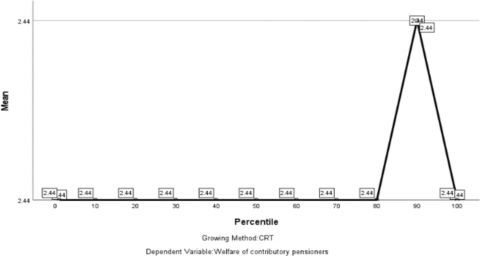
Figure 1 illustrates an average increase of 2.44% in the well-being of contributory pensioners over time, suggesting that the legal framework affecting them has remained largely unchanged. This prolonged stagnation contributes to persistent financial and emotional challenges, underlining the urgent need for legal reforms and improvements in social support systems.
Figure 1. Average growth in the well-being of contributory pensioners
Figure 2. Marginal average of 5 key factors of well-being and four recommendations for improvement
Figure 2, the marginal average of five key factors affecting the well-being of contributory pensioners, shows several important aspects. Four recommendations for improving their situation include: Increase Pension: Raise pensions from 265 euros to a more dignified amount; Adjust Pension Index: Link pensions to inflation for better long-term stability; Revise Eligibility Criteria: Recognize work experience in the informal sector; Improve Healthcare: Ensure affordable medical services for pensioners. Five Key Factors for Pensioner Well-Being: Adequate Pension: Between 300-400 euros for dignified living, 450-500 euros for financial stability; Healthcare Access: Affordable and quality medical services; Social & Cultural Activities: Opportunities to prevent social isolation; Family & Community Support: Emotional and practical assistance; Additional Income: Part-time work, investments, or social benefits. Currently, Kosovo's contributory pension (90-265 euros) is low compared to average monthly expenses (250-350 euros for individuals, 450-600 euros for families). Increasing pensions is essential for a dignified living standard.
The "Single" category might be better (Figure 3), as an individual has fewer financial needs, and a pension of up to €240 may be sufficient for a modest life without children or other obligations. The "Widowed" category is the most vulnerable, as a pension of up to €240 can severely impact the well-being of a widow, especially if there are children to support and no additional financial assistance. Emotionally, the "Single" category may be better, as the individual has more opportunities to manage their emotional life without the pressure of other family responsibilities and may have more chances to build a supportive social circle. Emotionally, the "Widowed" category is the most vulnerable, as they may experience isolation, emotional loss, and increased stress due to the burden of children and the lack of emotional and financial support.
Figure 3. The well-being of pensioners based on legal, financial, and marital status
Figure 4. Gender differences and estimation of marginal means
The state should increase financial assistance, provide social and emotional support, create flexible employment opportunities, and improve healthcare and educational services for widows.
Figure 3 shows that male pensioners with long employment histories tend to have higher well-being. Pensioners with higher contributory pensions in Kosovo (Figure 4), particularly those with a longer and more stable work history, tend to have better well-being. These individuals, often males, have greater financial security, allowing them to cover living, healthcare, and social activity expenses. Access to supportive services further enhances their quality of life.
Female family contributors have more needs due to additional burdens such as child care, managing family expenses, and the need for social and health support. They also require employment and training opportunities. Male contributors face needs related to covering living expenses, health security, and social activities, but their needs are less complex due to the absence of additional burdens like child care.
Figure 5 indicates a high average agreement (mean = 5.35) that visiting pension offices biannually is difficult. Pensioners perceive this requirement as burdensome, suggesting a need to simplify administrative procedures.
Figure 5. Is it difficult to visit pension offices every 6 months?
Figure 6. Implementation of pension scheme and pensioners’ health
Figure 6 addresses two key concerns. First, many pensioners express a preference for a Pay-as-you-go scheme, as the current low pensions leave them feeling poor, unmotivated, and facing health issues like diabetes and hypertension. Some, however, report good well-being and enjoy activities like walking and traveling. Second, most believe the current scheme is poorly implemented and demand higher pensions ranging from €270 to €600. Figure 6 highlights dissatisfaction and calls for urgent reform and improved support.
Figure 7 shows that most respondents are aged 65–78, previously employed in sectors like education, healthcare, tailoring, and public service. This diversity underscores their contributions and supports the case for equitable pension policies.
Figure 7. Age and occupation before retirement
Figure 8. Age and regional distribution of pensioners in Kosovo
Figure 8 illustrates the regional and age distribution of pensioners. Respondents are aged between 65 and 78. Most are from Prizren and Gjakova, indicating concentration in these regions. Regional needs and services should be aligned accordingly.
In Figure 9, marital status and individual characteristics are strong predictors of well-being (R² up to 0.666). State support and pension scheme implementation have weaker effects, suggesting the need for broader financial and social interventions.
Figure 10 presents a linear model (Y = 1.14+0.56x) explaining 56.9% of variance in well-being (R² = 0.569). The findings emphasize that improving legal frameworks and healthcare access can significantly boost pensioners’ well-being.
Figure 9. Key predictors of well-being among pensioners
Figure 10. Linear regression model of pensioner well-being
4.3 Statistical tests used
GLM is a parametric model used to analyze the relationships between a dependent variable and one or more independent variables.
Necessary tests for the validity and reliability of the data in GLM are:
a) Cronbach's Alpha Test
The Cronbach's Alpha Test, Cronbach [81], is used to measure the reliability of a set of questions or scales before constructing the model to assess the data's reliability (in our case, it measures how well the questions in the questionnaire are related to each other).
Table 3. Reliability statistics
|
Cronbach's Alpha |
Cronbach's Alpha Based on Standardized Items |
No. of Items |
|
.760 |
.783 |
10 |
Table 3 presents the reliability statistics for a set of 10 items, assessed using Cronbach's Alpha. A value of 0.760 indicates a good level of internal consistency. Cronbach's Alpha based on standardized items is 0.783, indicating good reliability. This suggests that there are no significant differences in reliability between the standardized and non-standardized items.
b) Hotelling's T-Squared Test [82]
Table 4. Hotelling's T-squared test
|
Hotelling's T-Squared |
F |
df1 |
df2 |
Sig |
|
282.990 |
26.310 |
10 |
89 |
.000 |
Table 4 indicates that there is a significant difference between the groups for the analyzed variables, as the p-value is 0.000 (p < 0.05). The Hotelling's T-Squared value = 282.990, and the degrees of freedom df1 = 10 and df2 = 89 suggest that the test is statistically valid and indicates significant differences between the groups for the included variables. This suggests that the null hypothesis is rejected.
c) Tests for Heteroskedasticity
The Breusch and Pagan test [83] is used to compare group means in a multivariate analysis to test for differences in dependent variables with more than one mean value. The Breusch-Pagan test checks for heteroskedasticity.
Table 5. Modified Breusch-Pagan test for heteroskedasticitya,b,c
|
Chi-Square |
df |
Sig. |
|
.770 |
10 independent variables df = 9 (10 - 1 = 9) |
.380 |
The Breusch-Pagan test in Table 5 was used to check for heteroskedasticity in the study data. The results suggest that the error variance does not depend on the values of the independent variables. The Chi-Square value (0.770) and the p-value (0.380) are both higher than the acceptable significance level of 0.05, indicating no presence of heteroskedasticity. This means that the GLM model can be considered stable, and the variance of errors is consistent across all levels of the independent variables. This result is important for interpreting the reliability and accuracy of the statistical model used in the data analysis.
d) Test Factor Analysis (KMO and Barlett’s Test) [84, 85]
It is used to verify the suitability of the data for Factor Analysis and has been applied to reduce the number of variables before constructing the model.
Table 6. KMO and Bartlett's test
|
Kaiser-Meyer-Olkin Measure of Sampling Adequacy |
.611 |
|
|
Bartlett's Test of Sphericity |
Approx. Chi-Square |
64.590 |
|
Df =10 (10−1) / 2 =10 × 9/2 =45 |
45 |
|
|
Sig. |
.690 |
|
Table 6 shows that the KMO value (0.611) is within acceptable limits, suggesting that the samples are suitable for factor analysis, though there is room for improvement. However, the Bartlett's test (p-value 0.690) suggests that there is no strong correlation between the variables, which may impact the efficiency of the analysis. Nevertheless, the use of Principal Component Analysis (PCA) is recommended, as it can achieve dimensionality reduction by creating principal components that retain the important information of the variables. This process helps improve the GLM model and reduce multicollinearity.
e) Autocorrelation test [86]
The Autocorrelation test has been used to check the correlation between residuals in time series and is particularly important in models for time-dependent data.
Table 7. Autocorrelation test
|
Lag |
Autocorrelation |
Std. Errora |
Box-Ljung Statistic |
||
|
Value |
df |
Sig.b |
|||
|
1 |
.381 |
.137 |
7.711 |
1 |
.059 |
|
2 |
.143 |
.136 |
8.814 |
2 |
.062 |
|
3 |
.031 |
.134 |
8.866 |
3 |
.071 |
|
4 |
-.018 |
.133 |
8.884 |
4 |
.064 |
|
5 |
-.027 |
.132 |
8.925 |
5 |
.112 |
|
6 |
.027 |
.130 |
8.970 |
6 |
.175 |
|
7 |
-.084 |
.129 |
9.400 |
7 |
.225 |
|
8 |
-.299 |
.127 |
14.927 |
8 |
.061 |
|
9 |
-.260 |
.126 |
19.207 |
9 |
.083 |
|
10 |
-.245 |
.124 |
23.105 |
10 |
.090 |
|
11 |
-.230 |
.122 |
26.629 |
11 |
.095 |
|
12 |
-.025 |
.121 |
26.672 |
12 |
.009 |
|
13 |
-.137 |
.119 |
27.985 |
13 |
.009 |
|
14 |
-.098 |
.118 |
28.674 |
14 |
.012 |
|
15 |
.020 |
.116 |
28.704 |
15 |
.018 |
|
16 |
.098 |
.114 |
29.441 |
16 |
.021 |
For the GLM model, autocorrelation in Table 7 is not a major concern in this case, as most of the periods (lags) are not statistically significant. This is a positive result for the model, suggesting that the independent variables and errors may be independent, but only up to the 11th variable. Variables 12 through 16 should be reduced through the PCA test.
f) Principal Component Analysis (PCA) Test
Principal Component Analysis (PCA) [87] is a statistical method for dimensionality reduction, which transforms correlated variables into principal components that represent the greatest variance of the data. PCA simplifies the model, eliminates unnecessary variables, and improves the quality of the analysis by reducing complexity and multicollinearity. New variables have been created (see Table 7 with Accepted) and have been input into SPSS to be used for the GLM model.
In Table 8, the PCA test eliminated variables with low communalities (< 0.5), as they contributed little to the formation of the principal components, and accepted the others.
- The eliminated variables had low communalities (< 0.5), meaning they contributed little to the principal components: Age, Edu. L, WExpe, RASS, IPS, SHPK, FSPCDP.
-The accepted Variables (≥ 0.5, retained in the model): MS, WCP, ASVA, RPA6M, EC-NOCP, GHCP, PPSPN, SG, FSHM, PI265-500, WTT, LR.
Table 8. Communalities
|
Variable |
Initial |
Extraction |
Status |
|
Age of the surveyed pensioners (Age) |
1.000 |
0.430 |
Elimination |
|
Educational level (Edu. L) |
1.000 |
0.410 |
Elimination |
|
MS |
1.000 |
0.802 |
Accepted |
|
Work experience (WExpe.) |
1.000 |
0.453 |
Elimination |
|
Well-being Pensioner contributor (WCP) |
1.000 |
0.748 |
Accepted |
|
Agreement that the State of Kosovo is very active (ASVA) |
1.000 |
0.754 |
Accepted |
|
Reporting every 6 months to the Pension Administration (RPA6M) |
1.000 |
0.649 |
Accepted |
|
Do they receive adequate support from the state (RASS) |
1.000 |
0.443 |
Elimination |
|
Implementation of the pension scheme (IPS) |
1.000 |
0.417 |
Elimination |
|
EECNCP |
1.000 |
0.735 |
Accepted |
|
GHCP |
1.000 |
0.639 |
Accepted |
|
What concerns pensioners the most (SHPK) |
1.000 |
0.473 |
Elimination |
|
Does the state provide psychological support for pensioners in need? (PPSPN) |
1.000 |
0.754 |
Accepted |
|
Do they receive support through gifts (SG) |
1.000 |
0.649 |
Accepted |
|
Do they receive financial support with access to health medication (FSHM) |
1.000 |
0.843 |
Accepted |
|
Pension income from 265€ - 500€ (PI265-500) |
1.000 |
0.717 |
Accepted |
|
Walking and travel trip for contributory pensioners (WTT) |
1.000 |
0.735 |
Accepted |
|
Financial support for paying a caregiver for disabled pensioners (FSPCDP) |
1.000 |
0.439 |
Elimination |
|
Reform of the Law for contributory pensioners (RL) |
1.000 |
0.773 |
Accepted |
This refinement improves the model’s accuracy, reduces complexity, and minimizes multicollinearity. The removal of low-communalities variables improves model accuracy and reduces complexity.
The data show how well each variable is explained by the principal factors in the PCA analysis.
The total variance explained by these five factors in Table 9 is 71.29%, which is a good value since more than 70% of the data variance is accounted for by the principal components. The subsequent components (6-12) do not have eigenvalues above 1 and contribute less (28.71%), but they are not eliminated as they provide important data for testing the study hypotheses in the GLM model analysis.
The results of Figure 11 show that the well-being of pensioners is influenced by a combination of legal, financial, and emotional factors, which are the key elements affecting the lives of contributory pensioners in Kosovo. The nodes above 1, which are 5 in the "component number" graph and also in the "Total Variance Explained 12 Variables," are the main factors in determining the well-being of contributory pensioners in Kosovo.
Table 10 indicates the component analysis and impact on pensioners' well-being:
Figure 11. Component number
Table 9. Total variance explained by 12 variables
|
Component |
Initial Eigenvalues |
Extraction Sums of Squared Loadings |
Rotation Sums of Squared Loadings |
||||||
|
Total |
% of Variance |
Cumulative % |
Total |
% of Variance |
Cumulative % |
Total |
% of Variance |
Cumulative % |
|
|
1 |
3.118 |
25.982 |
25.982 |
3.118 |
25.982 |
25.982 |
2.295 |
19.124 |
19.124 |
|
2 |
1.643 |
13.691 |
39.673 |
1.643 |
13.691 |
39.673 |
1.809 |
15.073 |
34.197 |
|
3 |
1.497 |
12.479 |
52.152 |
1.497 |
12.479 |
52.152 |
1.629 |
13.574 |
47.772 |
|
4 |
1.274 |
10.613 |
62.765 |
1.274 |
10.613 |
62.765 |
1.440 |
12.000 |
59.771 |
|
5 |
1.023 |
8.528 |
71.293 |
1.023 |
8.528 |
71.293 |
1.383 |
11.521 |
71.293 |
|
6 |
.842 |
7.015 |
78.307 |
|
|
|
|
|
|
|
7 |
.690 |
5.750 |
84.058 |
|
|
|
|
|
|
|
8 |
.650 |
5.421 |
89.478 |
|
|
|
|
|
|
|
9 |
.494 |
4.113 |
93.591 |
|
|
|
|
|
|
|
10 |
.352 |
2.935 |
96.526 |
|
|
|
|
|
|
|
11 |
.298 |
2.485 |
99.011 |
|
|
|
|
|
|
|
12 |
.119 |
.989 |
100.000 |
|
|
|
|
|
|
|
Extraction Method: Principal Component Analysis. |
|||||||||
Table 10. Component plot transformation matrix
|
Component |
1 |
2 |
3 |
4 |
5 |
|
1 Effect Legal Welfare |
.676 |
.537 |
.474 |
.154 |
.079 |
|
2 Effect Emotional Welfare |
.692 |
-.493 |
-.452 |
-.061 |
.264 |
|
3 Effect Financial Welfare |
-.099 |
.231 |
.037 |
-.777 |
.576 |
|
4 Married |
-.228 |
-.144 |
.180 |
.560 |
.762 |
|
5 Widow |
.051 |
-.628 |
.733 |
-.236 |
-.103 |
|
Extraction Method: Principal Component Analysis. Rotation Method: Varimax with Kaiser Normalization. |
|||||
Component 1: Legal Welfare (Effect Legal Welfare) - This component has a high loading for "Effect Legal Welfare" (0.676), indicating that legal factors are significant for pensioners and have a direct impact on their well-being.
Component 2: Emotional Welfare (Effect Emotional Welfare) - This component shows a strong positive relationship with "Effect Emotional Welfare" (0.692) and a negative relationship with "Widowed" (-0.628). It suggests that pensioners with emotional support have higher well-being, while widowed individuals tend to experience lower emotional well-being.
Component 3: Financial Welfare (Effect Financial Welfare) - This component shows a negative relationship with "Effect Financial Welfare" (-0.777), highlighting the critical role of financial aspects in pensioners' well-being. Pensioners facing financial concerns tend to report lower financial well-being, emphasizing the importance of financial security.
Component 4: Marital Status (Married)-Component 4 demonstrates a positive relationship with marital status (0.560), suggesting that pensioners who are married feel more supported and experience higher well-being. This has a significant impact on their social and emotional lives.
Component 5: Widow Status (Widow)- This component shows a strong positive relationship with widow status (0.733), indicating that this factor significantly affects pensioners' well-being. The widow status seems to have a considerable impact on pensioners' perceptions of the support and care they receive.
Each component has a unique impact on pensioners' well-being, emphasizing the importance of legal, emotional, financial factors, and marital status in shaping their overall quality of life.
In general, Figure 12, in Component Plots in Rotated, shows that legal support (r = 0.895) and marital status (r = 0.536) play an important role in the well-being of pensioners, with noticeable differences based on gender regarding emotional, legal, and financial well-being.
Figure 12. Component plots in rotated
4.4 Testing the study hypotheses
This section aims to test four hypotheses related to the well-being of contributory pensioners in Kosovo. The first hypothesis (H1) examines the legal impact, focusing on state activity and the equal treatment of contributors and non-contributors. The second hypothesis (H2) analyzes the financial impact, emphasizing the importance of financial support and pension increases. The third hypothesis (H3) investigates the emotional impact, focusing on factors such as marital status and health. The fourth hypothesis (H4) uses Kendall's Tau B to analyze the relationship between legal, emotional, and financial effects on the well-being of pensioners. Reliability tests, such as Cronbach's Alpha, PCA, and others, have been used to ensure data quality.
a) Testing the first hypothesis H1
GLM indicates that the dependent variable, "Well-being of contributory pensioners," follows a normal probability distribution and uses the identity function to directly associate predictors with the well-being outcome.
The "Goodness of Fit" (Table 11) shows the values for the model's fit to the data. The Deviance and Chi-Square are 38.471, with a value/df ratio of 1.069, indicating a good fit. The Log Likelihood is -64.394, and the information criteria (AIC, AICC, BIC, CAIC) are also appropriate. However, the red flags (AIC: 158.788, AICC: 172.906, BIC: 187.469, CAIC: 202.469) indicate higher values, suggesting the potential for model improvement.
The Omnibus Test (Table 12) shows the values for the Likelihood Ratio Chi-Square test. The Chi-Square value is 72.807 with 31 degrees of freedom and a p-value (Sig.) of 0.000, which is much smaller than the significance level (0.05), suggesting that the fitted model has a statistically significant effect compared to the "thresholds-only" model. This result indicates that the model is valid and improves the fit of the data compared to the baseline model.
Table 11. Goodness of fita
|
|
Value |
df |
Value/df |
|
Deviance |
38.471 |
36 |
1.069 |
|
Scaled Deviance |
50.000 |
36 |
|
|
Pearson Chi-Square |
38.471 |
36 |
1.069 |
|
Scaled Pearson Chi-Square |
50.000 |
36 |
|
|
Log Likelihoodb |
-64.394 |
|
|
|
Akaike's Information Criterion (AIC) |
158.788 |
|
|
|
Finite Sample Corrected AIC (AICC) |
172.906 |
|
|
|
Bayesian Information Criterion (BIC) |
187.469 |
|
|
|
Consistent AIC (CAIC) |
202.469 |
|
|
|
Dependent Variable: Well-being of contributory pensioners Model: (Intercept), Attendance Every 6 Months at the Pension Administration, Agreement that the State of Kosovo is Very Active, Equal Treatment of those who have worked and those who have not, How the Pension Scheme is Implemented. a. Information criteria are in smaller-is-better form. |
|||
Table 12. Omnibus testa
|
Likelihood Ratio Chi-Square |
df |
Sig. |
|
72.807 |
31 |
.000 |
The statistical analysis presented in Table 13 highlights the impact of key factors on the well-being of contributory pensioners. The intercept is highly significant (p = 0.000), indicating a strong baseline level of well-being, independent of the explanatory variables.
Table 13. Tests of model effects
|
Source |
Type I |
Type III |
||||
|
Wald Chi-Square |
df |
Sig. |
Wald Chi-Square |
df |
Sig. |
|
|
(Intercept) |
1363.125 |
1 |
.000 |
655.605 |
1 |
.000 |
|
1. RE6MPC |
14.312 |
4 |
.006 |
13.902 |
4 |
.008 |
|
2. SVA |
9.756 |
3 |
.021 |
7.943 |
3 |
.047 |
|
3. ETCNCP |
9.986 |
2 |
.007 |
4.396 |
2 |
.111 |
|
4. LR |
9.757 |
4 |
.045 |
9.757 |
4 |
.045 |
|
Dependent Variable: Well-being of contributory pensioners Model: (Intercept), 1. reporting every 6 months to the Pension Administration is normal (RE6MPC), Agreement that the State of Kosovo is Very Active (SVA), Equal Treatment of Contributory and Non-Contributory Pensioners (ETCNCP), Legal Reform (LR). |
||||||
One of the most influential factors is reporting every six months to the Pension Administration (RE6MPC), which is statistically significant in both Type I (p = 0.006) and Type III (p = 0.008) tests. This suggests that pensioners who adhere to the reporting requirements experience a positive effect on their well-being, likely due to the sense of security and continued eligibility for benefits.
Similarly, the perception that the State of Kosovo is very active (SVA) is significant in Type I (p = 0.021) and Type III (p = 0.047), indicating that pensioners who believe the government is actively engaged in their welfare tend to report higher levels of well-being. This highlights the importance of government policies and public perception in shaping pensioners' satisfaction.
The factor of equal treatment between contributory and non-contributory pensioners (ETCNCP) shows mixed results. While it is significant in the Type I test (p = 0.007), it loses significance in the Type III test (p = 0.111). This suggests that, when controlling for other variables, the perceived fairness in pension treatment may not have as strong an impact on well-being as initially assumed.
Lastly, Legal Reform (LR) remains significant in both Type I and Type III tests (p = 0.045). This underscores the importance of legislative changes in improving pensioners' well-being, reinforcing the idea that legal adjustments can lead to a more secure and sustainable pension system.
Overall, the findings emphasize the crucial role of financial, legal, and administrative factors in shaping the well-being of contributory pensioners. While state involvement, pension procedures, and legal reforms show a direct impact, perceptions of fairness in pension distribution appear to have a weaker effect when examined alongside other factors.
In Table 14, the coefficient β is used to create the model equation, as it shows the direct impact of the independent variables on the outcome (dependent variable). Exp(B) is used for interpreting odds and helps in understanding the impact of variables on the likelihood of an event occurring, but it is not part of the direct equation of the model.
The table presents the Exp(β) values, which indicate the odds ratio for each predictor variable in relation to the well-being of contributory pensioners:
i) (Intercept) WCP: Exp(β) = 0.001 (95% CI: 0.000 to 0.003), p-value < 0.001. This suggests a very low likelihood of well-being in the absence of other influencing factors, indicating a negative impact.
ii) RAE6MPC (Reporting every 6 months to the Pension Administration): Exp(β) = 2.231 (95% CI: 0.980 to 5.079), p-value = 0.051. This suggests that regular reporting may increase the likelihood of well-being; however, the result is close to the statistical significance threshold.
iii) ASKVA (Agreement that the State of Kosovo is very active): Exp(β) = 2.762 (95% CI: 1.186 to 6.436), p-value = 0.016. This indicates a significant positive impact on well-being, showing that agreement with the state's activity increases the chances of well-being.
iv) ETCNCP (Equal treatment of those who have worked and those who have not worked): Exp(β) = 2.195 (95% CI: 0.798 to 6.041), p-value = 0.121. This result is not statistically significant, suggesting that equal treatment does not have a clear impact on well-being.
v) LR (Pension law reform): Exp(β) = 0.402 (95% CI: 0.166 to 0.972), p-value = 0.039. This suggests that the lack of pension law reform has a negative impact on well-being.
To verify the first hypothesis, the values of the Beta coefficient are considered:
Model 1 (HI): WCP $=-7.118+(0.803 \times$ Attendance every 6 months in the Pension Administration) $+(1.016 \times$ Agreement that the state of Kosovo is very active $)+(0.786 \times$ Equal Treatment of Contributory and Non-Contributory Pensioners) - (0.912× Reform of pension law) (6.1)
Table 14. Parameter’s estimation
|
Parameter |
B |
Std. Error |
95% Profile Likelihood Confidence Interval |
Hypothesis Test |
Exp(B) |
95% Profile Likelihood Confidence Interval for Exp(B) |
||||
|
Lower |
Upper |
Wald Chi-Square |
df |
Sig. |
Lower |
Upper |
||||
|
(Intercept) WCP |
-7.118 |
.7149 |
-8.547 |
-5.690 |
99.147 |
1 |
.000 |
.001 |
.000 |
.003 |
|
RE6MPC |
.803 |
.4116 |
-.020 |
1.625 |
3.801 |
1 |
.051 |
2.231 |
.980 |
5.079 |
|
SVA |
1.016 |
.4233 |
.170 |
1.862 |
5.763 |
1 |
.016 |
2.762 |
1.186 |
6.436 |
|
ETCNCP |
.786 |
.5067 |
-.226 |
1.799 |
2.408 |
1 |
.121 |
2.195 |
.798 |
6.041 |
|
LR |
-.912 |
.4425 |
-1.797 |
-.028 |
4.252 |
1 |
.039 |
.402 |
.166 |
.972 |
|
(Scale) |
.769b |
.1539 |
.533 |
1.170 |
|
|
|
|
|
|
|
Dependent Variable: Well-being of contributory pensioners (WCP) Model: (Intercept), 1. reporting every 6 months to the Pension Administration is normal (RE6MPC), Agreement that the State of Kosovo is Very Active (SVA), Equal Treatment of Contributory and Non-Contributory Pensioners (ETCNCP), Legal Reform (LR). a. Set to zero because this parameter is redundant. b. Maximum likelihood estimate |
||||||||||
The Intercept (β = -7.118, p = 0.000) parameter’s Estimation, indicates a significant negative effect on well-being, suggesting that in the absence of other influencing factors, the likelihood of achieving a higher well-being is minimal.
Among the examined variables, Regular Attendance Every 6 Months Contributor Pensioner (RAE6MPC) shows a coefficient of β = 0.803 with a p-value of 0.051. Although this result is close to significance, it suggests that regular attendance may enhance well-being.
Meanwhile, Agreement that the state of Kosovo is very active (SVA) is statistically significant (B = 1.016, p = 0.016), showing a strong positive impact on well-being.
On the other hand, Equal Treatment of Contributory and Non-Contributory Pensioners (ETCNCP) has a coefficient of β = 0.786 with a p-value of 0.121. This result is not statistically significant, though the Exp(B) value of 2.195 indicates a potential positive effect.
Finally, the Lack of Pension Law Reform (LR) shows a significant negative effect (β = -0.912, p = 0.039), suggesting that the absence of reforms adversely affects well-being.
H1: Contributory pensioners agree that the State of Kosovo is very active (SVA), reporting every 6 months to the Pension Administration is normal (RE6MPC), the reform of the Contributory Pension Law should be made, and EECNCP and Legal Reform (LR), has a positive impact on the well-being of contributory pensioners.
The Coefficient β, the analysis highlights that state activity and regular attendance positively influence pensioners' well-being. Conversely, the lack of pension law reforms has a detrimental impact, while the effect of equal treatment remains uncertain. These findings emphasize the importance of policy interventions that promote engagement with pension services and ensure active state support to improve the well-being of contributory pensioners.
Thus, H1 is partially supported: state activity and pension law reforms significantly impact well-being, while equal treatment and regular attendance do not show clear, significant effects.
b) Testing the second hypothesis H2
Table 15 shows that the model fits reasonably, but there is room for improvement. The Deviance and Pearson Chi-Square values (11.221) suggest a decent fit, though the scaled values (50.000) indicate potential issues with model fit. The AIC (85.181) and BIC (102.389) are relatively high, indicating possible overfitting or complexity in the model. The log-likelihood value (-33.591) supports this. Overall, the model can be improved by reducing complexity, refining variables, or exploring alternative models for better predictive accuracy and lower information criteria.
Table 15. Goodness of fita
|
|
Value |
df |
Value/df |
|
Deviance |
11.221 |
42 |
.267 |
|
Scaled Deviance |
50.000 |
42 |
|
|
Pearson Chi-Square |
11.221 |
42 |
.267 |
|
Scaled Pearson Chi-Square |
50.000 |
42 |
|
|
Log Likelihoodb |
-33.591 |
|
|
|
AIC |
85.181 |
|
|
|
AICC |
89.681 |
|
|
|
BIC |
102.389 |
|
|
|
CAIC |
111.389 |
|
|
|
Dependent Variable: Well-being of contributory pensioners Model: (Intercept), Financial Support (FS), Medications Support (MS), Support with Gifts (SG), Pension Income from 265 euros to 500 euros (PI265). |
|||
|
a. Information criteria are in smaller-is-better form. |
|||
|
b. The full log likelihood function is displayed and used in computing information criteria. |
|||
Table 16. Omnibus testa
|
Likelihood Ratio Chi-Square |
df |
Sig. |
|
5.318 |
7 |
.621 |
|
Dependent Variable: Well-being of contributory pensioners Model: (Intercept), Financial support Health Medicines (FSM); Pension Income from 265 euros to 500 euros (PI265); Support with Gifts (SG). a. Compares the fitted model against the intercept-only model. |
||
Table 16 shows a Likelihood Ratio Chi-Square of 5.318 with p = 0.621, indicating that the model does not significantly improve upon the intercept-only model. This suggests that the variables in the model (financial support, medication, gifts, and pension income) may not have a strong effect on pensioners' well-being.
H2: Adequate financial support for medical medications (FSHM), well as an increase in contributory pension income from €265 to €500 (PI265-500) and Support Gifts (SG), have a direct and positive impact on the well-being level of contributory pensioners in Kosovo.
Table 17 presents the results for Type I and Type III analyses for the model examining factors affecting the well-being of contributory pensioners.
Table 17. Tests of model effects
|
Source |
Type I |
Type III |
||||
|
Wald Chi-Square |
df |
Sig. |
Wald Chi-Square |
df |
Sig. |
|
|
(Intercept) |
51.333 |
1 |
.000 |
4.178 |
1 |
.041 |
|
FSHM |
3.478 |
5 |
.627 |
3.683 |
5 |
.596 |
|
PI265-500 |
1.071 |
1 |
.301 |
.890 |
1 |
.346 |
|
SG |
1.063 |
1 |
.303 |
1.063 |
1 |
.303 |
i) Intercept: The Type I Wald Chi-Square value is 51.333 (p = 0.000), which indicates a statistically significant impact on well-being. The Type III Wald Chi-Square value is 4.178 (p = 0.041), also significant, suggesting the intercept is important in predicting well-being.
ii) Financial Support for Health Medications (FSHM): The Type I value is 3.478 (p = 0.627), and the Type III value is 3.683 (p = 0.596), both of which are not statistically significant, indicating FSHM does not significantly impact well-being.
iii) Pension Income Between €265 and €500 (PI265-500): The Type I value is 1.071 (p = 0.301), and the Type III value is 0.890 (p = 0.346), neither being statistically significant, suggesting that income within this range has no significant effect on well-being.
iv) Support in the Form of Gifts (SG): Both Type I and Type III Wald Chi-Square values are 1.063 (p = 0.303), showing no significant impact on well-being.
In conclusion, while the intercept is significant, the other factors - FSHM, PI265-500, and SG—do not show significant effects on the well-being of contributory pensioners.
Based on the p-values greater than 0.05, hypothesis H2 is rejected, indicating that financial support, medical medications, gifts, and increased pension income do not positively impact the well-being of contributory pensioners in Kosovo.
The coefficient β is used to create the model equation in Table 18, as it shows the direct impact of the independent variables on the outcome (dependent variable). Exp(B) is used for interpreting odds and helps in understanding the impact of variables on the likelihood of an event occurring, but it is not part of the direct equation of the model.
Table 18. Parameter’s estimates
|
Parameter |
B |
Std. Error |
95% Wald Confidence Interval |
Hypothesis Test |
Exp(B) |
95% Wald Confidence Interval for Exp(B) |
||||
|
Lower |
Upper |
Wald Chi-Square |
df |
Sig. |
Lower |
Upper |
||||
|
(Intercept) |
.798 |
.4865 |
-.155 |
1.752 |
2.693 |
1 |
.101 |
2.222 |
.856 |
5.765 |
|
FSHM |
-.050 |
.4129 |
-.859 |
.759 |
.015 |
1 |
.904 |
.951 |
.424 |
2.137 |
|
PI265-500 |
-.165 |
.1745 |
-.507 |
.177 |
.890 |
1 |
.346 |
.848 |
.603 |
1.194 |
|
SG |
.062 |
.0597 |
-.055 |
.179 |
1.063 |
1 |
.303 |
1.063 |
.946 |
1.195 |
|
(Scale) |
.224b |
.0449 |
.152 |
.332 |
|
|
|
|
|
|
|
Dependent Variable: Well-being of contributory pensioners Model: (Intercept), Financial Support with Health Medications (FSHM); Support with Gifts (SG), Pension Income from 265 euros to 500 euros (PI26-500). a. Set to zero because this parameter is redundant. b. Maximum likelihood estimate |
||||||||||
H2: Financial support for health medications (FSHM); support with gifts (SG), and an increase in pension income from 265 euros to 500 euros (PI26-500) have a positive and statistically significant impact on the improvement of the well-being of contributory pensioners in Kosovo.
Model $2(\mathrm{H} 2)$ : $\mathrm{WCP}=.789+\beta 1$ (-. 050 Financial Support for Health Medications -FSHM $)+\beta 2(-.165$ Pension Income from 265 euros to 500 euros 265 500 PI265-500) $+\beta 3(.062$ Support with Gifts -SG $)$ (7.1)
The Parameter's Estimates table presents the coefficients and test results for the impact of various variables on the well-being of contributory pensioners. Here is the analysis of each variable:
i) (Intercept): The coefficient B is 0.798, and Exp(B) is 2.222, suggesting that when all other variables are zero, the likelihood of well-being is 2.222 times higher. The Wald Chi-Square p-value is 0.101, which is greater than 0.05, indicating that this parameter is not statistically significant in the model.
ii) Financial Support and Medication (FSHM): The coefficient B is -0.050, and Exp(B) is 0.951, indicating a small negative impact on the well-being of pensioners. The Wald Chi-Square p-value is 0.904, which is much higher than 0.05, suggesting that this variable is not statistically significant.
iii) Pension Income (PI265-500): The coefficient B is -0.165, and Exp(B) is 0.848, showing a negative impact of pension income on well-being. The Wald Chi-Square p-value is 0.346, indicating that this factor is also not statistically significant.
iv) Gift Support (SG): The coefficient B is 0.062, and Exp(B) is 1.063, suggesting a small positive impact on the likelihood of well-being. However, the Wald Chi-Square p-value is 0.303, indicating that this variable is not statistically significant either.
Based on the analysis of the Parameter's Estimates table, with all p-values greater than 0.05, hypothesis H2 should be rejected. This indicates that financial support, medical medications, pension income, and gift support do not have a statistically significant direct impact on the well-being of contributory pensioners. Despite the presence of some coefficients suggesting small impacts, none of the variables are statistically significant, meaning they do not play a meaningful role in improving the well-being of pensioners according to the data used in this analysis.
c) Testing the third hypothesis H3
Table 19 analyzes the impact of marital status, health, hobbies, and walking on the well-being of contributory pensioners. The Deviance (6.167, df = 28) and Pearson Chi-Square (6.167, df = 28) with a ratio of 0.220 indicate a good fit of the model to the data. The AIC (83.252) and BIC (127.228) suggest an efficient and balanced model. The results show that health, social, and physical activities significantly impact the well-being of pensioners. Policies that support access to healthcare and promote social activities could improve their quality of life.
Table 19. Goodness of fita
|
|
Value |
df |
Value/df |
|
Deviance |
6.167 |
28 |
.220 |
|
Scaled Deviance |
50.000 |
28 |
|
|
Pearson Chi-Square |
6.167 |
28 |
.220 |
|
Scaled Pearson Chi-Square |
50.000 |
28 |
|
|
Log Likelihoodb |
-18.626 |
|
|
|
AIC |
83.252 |
|
|
|
AICC |
125.713 |
|
|
|
BIC |
127.228 |
|
|
|
CAIC |
150.228 |
|
|
|
Dependent Variable: Well-being of contributory pensioners Model: (Intercept), Marital Status, Health of Pensioners, Pensioners' Hobbies, Walking. a. Information criteria are in a smaller-is-better form. b. The full log-likelihood function is displayed and used in computing information criteria. |
|||
Table 20. Omnibus testa
|
Likelihood Ratio Chi-Square |
df |
Sig. |
|
35.247 |
21 |
.027 |
|
Dependent Variable: Well-being of contributory pensioners Model: (Intercept), Marital status, Health of pensioners, Hobbies of surveyed pensioners, Walking. a. Compares the fitted model against the intercept-only model. |
||
Omnibus test (Table 20) of the likelihood ratio (Likelihood Ratio Chi-Square = 35.247, df = 21, Sig. = 0.027) indicates that the fitted model, which includes marital status, health, hobbies, and walking, is statistically significant compared to the model that contains only the intercept. The p-value (0.027 < 0.05) suggests that at least one of the included variables significantly contributes to explaining the changes in the well-being of contributory pensioners. This result emphasizes the importance of social and health factors in improving the quality of life for this group.
Table 21. Tests of model effects
|
Source |
Type I |
Type III |
||||
|
Wald Chi-Square |
df |
Sig. |
Wald Chi-Square |
df |
Sig. |
|
|
(Intercept) |
93.403 |
1 |
.000 |
3.424 |
1 |
.064 |
|
MS |
8.643 |
3 |
.034 |
11.981 |
3 |
.007 |
|
Health of pensioners (HP) |
5.032 |
4 |
.284 |
17.236 |
4 |
.002 |
|
Hobbies pensioners (HP)_ |
17.507 |
5 |
.004 |
17.507 |
5 |
.004 |
|
Walking (W) |
13.678 |
4 |
.008 |
16.402 |
4 |
.003 |
Table 21 analyzes the impact of the included variables on the well-being of contributory pensioners using the Wald Chi-Square test.
i) The Intercept has a high Wald Chi-Square value in Type I (93.403, p < 0.001), but in Type III (p = 0.064), it is not statistically significant, indicating that the influence of other factors is more important for the model.
ii) MS has a significant impact on pensioners' well-being, with a Wald Chi-Square value of 11.981 and p = 0.007 in Type III. This suggests that married pensioners may have higher well-being due to emotional and social support.
iii) Pensioners' Health is a highly important factor, with a p-value of 0.002 in Type III, indicating a strong and statistically significant impact. Pensioners in better health are likely to have higher well-being.
iv) Pensioners' Hobbies also have a significant impact on well-being (p = 0.004), indicating that engagement in various activities positively affects their quality of life.
v) Walking also has a significant impact, with p = 0.003, suggesting that physical activity and regular outings can significantly contribute to pensioners' well-being.
The results show that social and health factors play a key role in the well-being of contributory pensioners in Kosovo. Marriage, health, social activities, and walking are strong indicators of higher well-being. These findings suggest that public policies should focus on supporting pensioners through healthcare services and social activities to improve their quality of life.
Based on the results from the "Tests of Model Effects" table: MS (p = 0.007), health (p = 0.002), hobbies (p = 0.004), and walking (p = 0.003) all have p-values less than 0.05, indicating that these variables do have a statistically significant impact on the well-being of contributory pensioners.
To verify the third hypothesis, the values of the Beta coefficient are considered:
H3: MS, Health of pensioners (HP), Hobbies Pensioner (HP), walking Pensioner (W), have a statistically significant impact on the emotional and physical well-being of contributory pensioners.
$\begin{gathered}\text { Model 3 (H3): WCP }=-.568+\beta 1(-0.194 \text { Marital } \text { Status })+\beta 2(-0.566 \text { Health })+\beta 3(0.753 \text { Hobbies })+\beta 3(0.588 \text { Walking })\end{gathered}$ (8.1)
The coefficient β is used to create the model equation in Table 22, as it shows the direct impact of the independent variables on the outcome (dependent variable). Exp(B) is used for interpreting odds and helps in understanding the impact of variables on the likelihood of an event occurring, but it is not part of the direct equation of the model.
Interpretation of Coefficients and Hypothesis Tests:
i) Intercept has a B value of -0.568, indicating that, without the influence of other factors (such as marital status, health, hobbies, and walking), the well-being value is negative. However, this value is not statistically significant (p = 0.319), meaning it doesn't have a significant effect.
ii) MS has a B = -0.194, suggesting a negative impact of marital status on the well-being of pensioners, Exp(B) for this variable is 0.823 but this value is not statistically significant (p = 0.633). This implies that marital status does not have a notable effect on pensioners' well-being in this model.
iii) Health of Pensioners has a B = -0.566 and is statistically significant (p = 0.017). This result suggests that pensioners with poorer health tend to have lower well-being. The Exp(B) for this variable is 0.568, indicating that for every unit decrease in health, the odds of having positive well-being decrease.
iv) Hobbies of Pensioners has a B = 0.753 and is statistically significant (p = 0.002). The Exp(B) is 2.124, indicating that pensioners engaged in hobbies have twice the odds of having higher well-being. This shows that hobbies and engagement in positive activities have a strong impact on well-being.
v) Walking has a B = 0.588 and is also statistically significant (p = 0.006). The Exp(B) is 1.800, suggesting that pensioners who engage in walking have 1.8 times the odds of having better well-being.
Table 22. Parameter estimates
|
Parameter |
B |
Std. Error |
95% Wald Confidence Interval |
Hypothesis Test |
Exp(B) |
95% Wald Confidence Interval for Exp(B) |
||||
|
Lower |
Upper |
Wald Chi-Square |
df |
Sig. |
Lower |
Upper |
||||
|
(Intercept) |
-.568 |
.5699 |
-1.685 |
.549 |
.992 |
1 |
.319 |
.567 |
.186 |
1.732 |
|
MS |
-.194 |
.4070 |
-.992 |
.603 |
.228 |
1 |
.633 |
.823 |
.371 |
1.828 |
|
Health of pensioners |
-.566 |
.2382 |
-1.033 |
-.099 |
5.647 |
1 |
.017 |
.568 |
.356 |
.906 |
|
Hobbies pensioners |
.753 |
.2383 |
.286 |
1.220 |
9.995 |
1 |
.002 |
2.124 |
1.331 |
3.389 |
|
Walking Pensioner |
.588 |
.2128 |
.171 |
1.005 |
7.631 |
1 |
.006 |
1.800 |
1.186 |
2.732 |
|
Variable: Well-being of Contributory Pensioners Model: (Intercept), Marital Status, Pensioners' Health, Pensioners' Hobbies, Walking Activities |
||||||||||
These findings suggest that health, hobbies, and walking are the most significant factors influencing pensioners' well-being. Pensioners who are physically and emotionally active (through hobbies and activities like walking) have better well-being. However, MS does not appear to have a significant effect on their well-being. These results highlight the importance of supporting pensioners in health and social activities to improve their quality of life.
H3 is partially supported, as health (p = 0.017), hobbies (p = 0.002), and walking (p = 0.006) significantly impact pensioners' well-being, whereas MS (p = 0.633) does not.
4.4.1 Summary of GLM parameter estimates for H1–3
The GLM results for each hypothesis are presented in a summary table format, including the key parameters: coefficient (β), standard error (SE), p-value, and Exp(β). This format will facilitate easier comparison across hypotheses and provide a clearer, more straightforward interpretation for readers.
i) For H1
The table should summarize the parameters RE6MPC, SVA, ETCNCP, and LR, showing their statistical significance and the direction of their impact on the well-being of contributory pensioners.
RE6MPC (Reporting every 6 months to Pension Administration): Table 23 shows a positive effect on well-being, with a borderline significance (p = 0.051), suggesting that regular reporting might improve pensioners’ well-being.
SVA: Has a statistically significant positive impact (p = 0.016), increasing the odds of better well-being by approximately 2.8 times.
ETCNCP (Equal Treatment of Contributory and Non-contributory Pensioners): Positive coefficient but not statistically significant, indicating no strong evidence of impact in this sample.
LR (Legal Reform): shows a significant negative effect (p = 0.039), suggesting that perceptions related to legal reform might currently be associated with lower well-being among pensioners.
ii) For H2
For H2, the summary table should include FMS, Pension Income increase from €265 to €500 (PI265-500), and Support Gifts (SG), clearly showing their statistical significance and effect direction on the well-being of contributory pensioners.
In Table 24, the parameters FSHM (Financial Support for Health Medications), PI265-500 (Pension Income increase from €265 to €500), and SG (Support Gifts) all show no statistically significant effect on the well-being of contributory pensioners, as indicated by their high p-values (all > 0.3). Their coefficients (β) are close to zero and the confidence intervals likely include 1 for Exp(β), meaning these factors do not have a meaningful positive or negative impact on well-being in this sample.
iii) For H3
The table should summarize the effects of MS, Health of Pensioners (HP), Hobbies of Pensioners (HP), and Walking (W) on the emotional and physical well-being of contributory pensioners, highlighting statistical significance and effect direction.
In Table 25, MS shows no statistically significant impact on the well-being of contributory pensioners (p = 0.633). However, Health of Pensioners has a statistically significant negative effect (β = -0.566, p = 0.017), indicating that poorer health is associated with lower well-being.
Conversely, Hobbies and Walking activities both have statistically significant positive effects on well-being, with odds ratios of 2.124 and 1.800 respectively (p = 0.002 and p = 0.006). This suggests that engagement in hobbies and walking substantially improves the emotional and physical well-being of contributory pensioners.
Table 23. Example summary table for H1
|
Parameter |
β (Coefficient) |
SE (Standard Error) |
p-value |
Exp(β) |
Comment |
|
RE6MPC |
0.803 |
0.412 |
0.051 |
2.231 |
Marginally significant (p = 0.051) |
|
SVA |
1.016 |
0.423 |
0.016 |
2.762 |
Statistically significant positive effect |
|
ETCNCP |
0.786 |
0.507 |
0.121 |
2.195 |
Not statistically significant (p > 0.05) |
|
LR |
-0.912 |
0.443 |
0.039 |
0.402 |
Statistically significant negative effect |
Table 24. Example summary table for H2
|
Parameter |
β (Coefficient) |
SE (Standard Error) |
p-value |
Exp(β) |
Comment |
|
FSHM |
-0.050 |
0.413 |
0.904 |
0.951 |
Not statistically significant |
|
PI265-500 |
-0.165 |
0.175 |
0.346 |
0.848 |
Not statistically significant |
|
SG |
0.062 |
0.060 |
0.303 |
1.063 |
Not statistically significant |
Table 25. Example summary table for H3
|
Parameter |
β (Coefficient) |
SE (Standard Error) |
p-value |
Exp(β) |
Comment |
|
MS |
-0.194 |
0.407 |
0.633 |
0.823 |
Not statistically significant |
|
Health of Pensioners |
-0.566 |
0.238 |
0.017 |
0.568 |
Statistically significant negative effect |
|
Hobbies Pensioners |
0.753 |
0.238 |
0.002 |
2.124 |
Statistically significant positive effect |
|
Walking Pensioner |
0.588 |
0.213 |
0.006 |
1.800 |
Statistically significant positive effect |
4.4.2 Validation of fourth H4-Pearson correlation
The novelty of Hypothesis H4 lies in the inclusion of a wide range of factors, such as MS, health, financial support, and state policies, influencing the well-being of contributory pensioners in Kosovo. This comprehensive approach helps assess the complex relationships between variables and the well-being of pensioners.
H4: All variables (MS, SVA, P6MPC, EECNCP, GH, CP, SG, FMS, PI€265 - €500, Travel - TT, LR) are positively correlated and statistically significant with the well-being of contributory pensioners in Kosovo.
The Pearson correlation coefficients (Table 26) were used to examine the relationships between the Well-being of Contributory Pensioners (WCP) and various other variables, highlighting both the strength and direction of these relationships.
Table 26. Pearson correlations
|
|
WCP |
MS |
SVA |
P6MPC |
EECNCP |
GH |
CP |
SG |
FMS |
PI€265 - €500 |
Travel-TT |
LR |
|
|
WCP |
Pearson Correlation |
1 |
.338* |
.301* |
.236 |
-.370** |
.405** |
.559** |
.273 |
.018 |
.257 |
.108 |
.068 |
|
Sig. (2-tailed) |
|
.016 |
.034 |
.098 |
.008 |
.004 |
.000 |
.055 |
.904 |
.071 |
.455 |
.640 |
|
|
N |
100 |
100 |
100 |
100 |
100 |
100 |
100 |
100 |
100 |
100 |
100 |
100 |
|
|
MS |
Pearson Correlation |
.338* |
1 |
.237 |
.349* |
.206 |
.797** |
.381** |
.637** |
.396** |
.280* |
.183 |
.336* |
|
Sig. (2-tailed) |
.016 |
|
.098 |
.013 |
.151 |
.000 |
.006 |
.000 |
.004 |
.049 |
.203 |
.017 |
|
|
N |
100 |
100 |
100 |
100 |
100 |
100 |
100 |
100 |
100 |
100 |
100 |
100 |
|
|
(SVA) |
Pearson Correlation |
.301* |
.237 |
1 |
-.057 |
.026 |
.277 |
.284* |
.274 |
-.039 |
-.007 |
.086 |
-.071 |
|
Sig. (2-tailed) |
.034 |
.098 |
|
.694 |
.857 |
.052 |
.046 |
.054 |
.789 |
.962 |
.552 |
.624 |
|
|
N |
100 |
100 |
100 |
100 |
100 |
100 |
100 |
100 |
100 |
100 |
100 |
100 |
|
|
P6MPC |
Pearson Correlation |
.236 |
.349* |
-.057 |
1 |
.065 |
.161 |
.307* |
.346* |
.180 |
.140 |
-.008 |
-.197 |
|
Sig. (2-tailed) |
.098 |
.013 |
.694 |
|
.656 |
.264 |
.030 |
.014 |
.212 |
.332 |
.958 |
.170 |
|
|
N |
100 |
100 |
100 |
100 |
100 |
100 |
100 |
100 |
100 |
100 |
100 |
100 |
|
|
EECNCP |
Pearson Correlation |
-.370** |
.206 |
.026 |
.065 |
1 |
.239 |
-.163 |
.279* |
.250 |
-.204 |
.046 |
.297* |
|
Sig. (2-tailed) |
.008 |
.151 |
.857 |
.656 |
|
.094 |
.258 |
.050 |
.080 |
.156 |
.750 |
.036 |
|
|
N |
100 |
100 |
100 |
100 |
100 |
100 |
100 |
100 |
100 |
100 |
100 |
100 |
|
|
GH |
Pearson Correlation |
.405** |
.797** |
.277 |
.161 |
.239 |
1 |
.342* |
.729** |
.354* |
.111 |
.337* |
.381** |
|
Sig. (2-tailed) |
.004 |
.000 |
.052 |
.264 |
.094 |
|
.015 |
.000 |
.012 |
.443 |
.017 |
.006 |
|
|
N |
100 |
100 |
100 |
100 |
100 |
100 |
100 |
100 |
100 |
100 |
100 |
100 |
|
|
CP |
Pearson Correlation |
.559** |
.381** |
.284* |
.307* |
-.163 |
.342* |
1 |
.241 |
.153 |
.416** |
.057 |
.230 |
|
Sig. (2-tailed) |
.000 |
.006 |
.046 |
.030 |
.258 |
.015 |
|
.091 |
.290 |
.003 |
.694 |
.108 |
|
|
N |
100 |
100 |
100 |
100 |
100 |
100 |
100 |
100 |
100 |
100 |
100 |
100 |
|
|
SG |
Pearson Correlation |
.273 |
.637** |
.274 |
.346* |
.279* |
.729** |
.241 |
1 |
.166 |
.006 |
.289* |
.189 |
|
Sig. (2-tailed) |
.055 |
.000 |
.054 |
.014 |
.050 |
.000 |
.091 |
|
.250 |
.967 |
.042 |
.189 |
|
|
N |
100 |
100 |
100 |
100 |
100 |
1-00 |
50 |
50 |
50 |
50 |
50 |
50 |
|
|
FMS |
Pearson Correlation |
.018 |
.396** |
-.039 |
.180 |
.250 |
.354* |
.153 |
.166 |
1 |
-.052 |
.223 |
.291* |
|
Sig. (2-tailed) |
.904 |
.004 |
.789 |
.212 |
.080 |
.012 |
.290 |
.250 |
|
.719 |
.120 |
.040 |
|
|
N |
100 |
100 |
100 |
100 |
100 |
100 |
100 |
100 |
100 |
100 |
100 |
100 |
|
|
PI€265 - €500 |
Pearson Correlation |
.257 |
.280* |
-.007 |
.140 |
-.204 |
.111 |
.416** |
.006 |
-.052 |
1 |
-.041 |
.126 |
|
Sig. (2-tailed) |
.071 |
.049 |
.962 |
.332 |
.156 |
.443 |
.003 |
.967 |
.719 |
|
.780 |
.383 |
|
|
N |
100 |
100 |
100 |
100 |
100 |
100 |
100 |
100 |
100 |
100 |
100 |
100 |
|
|
Travel -TT |
Pearson Correlation |
.108 |
.183 |
.086 |
-.008 |
.046 |
.337* |
.057 |
.289* |
.223 |
-.041 |
1 |
.197 |
|
Sig. (2-tailed) |
.455 |
.203 |
.552 |
.958 |
.750 |
.017 |
.694 |
.042 |
.120 |
.780 |
|
.171 |
|
|
N |
100 |
100 |
100 |
100 |
100 |
100 |
100 |
100 |
100
|
100 |
100 |
100 |
|
|
LR |
Pearson Correlation |
.068 |
.336* |
-.071 |
-.197 |
.297* |
.381** |
.230 |
.189 |
.291* |
.126 |
.197 |
1 |
|
Sig. (2-tailed) |
.640 |
.017 |
.624 |
.170 |
.036 |
.006 |
.108 |
.189 |
.040 |
.383 |
.171 |
|
|
|
N |
100 |
100 |
100 |
100 |
100 |
100 |
100 |
100 |
100 |
100 |
100 |
100 |
|
|
Note: Well-being of contributory pensioners (WCP); Agreement that the State of Kosovo is Very Active (SVA); Marital Status (MS); Reporting Every 6 Months to Pension Contribution (P6MPC); Equal Evaluation of Contributory and Non-Contributory Pensions (EECNCP); Good Health (GH); Concerns of Pensioners (CP); Support in the Form of Gifts (SG); Financial Support with Medication (FSM); Income Range of Contributory Pensions Between €265 and €500 (PI265); Trip travel (TT) and Legal Reform (LR).
*. Correlation is significant at the 0.05 level (2-tailed).
|
|||||||||||||
|
**. Correlation is significant at the 0.01 level (2-tailed).
|
|||||||||||||
Positive Correlations: MS: r = 0.338, p = 0.016. A significant positive correlation, indicating that married pensioners experience higher well-being. SVA: r = 0.301, p = 0.034 → A moderate positive correlation, suggesting that pensioners who believe in an active government have better well-being. GH: r = 0.405, p = 0.004. The strongest positive correlation shows that good health is a crucial factor for pensioners' well-being. CP: r = 0.559, p = 0.000. A very strong positive correlation, emphasizing that addressing pensioners' concerns significantly improves their well-being.
Negative Correlation: EECNCP: r = -0.370, p = 0.008. A significant negative correlation, indicating that dissatisfaction with equal treatment for contributory and non-contributory pensioners negatively affects their well-being.
Weak or Insignificant Correlations: P6MPC: r = 0.236, p = 0.098. A weak correlation, not statistically significant, suggesting that reporting every six months does not significantly influence well-being. Financial Support with Medication (FMS): r = 0.018, p = 0.904. No significant relationship with well-being, indicating that financial support for medication does not have a meaningful impact on pensioners' well-being. Travel (TT): r = 0.108, p = 0.455. No significant effect on well-being, suggesting that travel does not influence pensioners' well-being. Legal Reform (LR): r = 0.068, p = 0.640. No significant impact on well-being, showing that legal reform does not play a major role in pensioners' well-being. SG: r = 0.273, p = 0.055. A weak positive correlation, close to being statistically significant, suggests that receiving support in the form of gifts may have a small positive effect on well-being. Pension Income (€265-€500): r = 0.257, p = 0.071. A weak positive correlation, which is not statistically significant but indicates a slight relationship with well-being.
The results suggest that emotional and social factors such as good health, concerns of pensioners, marital status, and state activity are the strongest predictors of well-being for pensioners. In contrast, financial and legal factors such as reporting every 6 months, financial support with medication, pension income, travel, and legal reform showed weak or insignificant effects. Furthermore, the variable of equal treatment for pension contributors and non-contributors had a significant negative correlation, implying that dissatisfaction with this treatment harms pensioners' well-being.
Based on these results, the h4 that WCP is positively related to most of the studied variables holds true for most emotional and social factors, while financial and legal factors are less influential. The negative correlation with equal treatment further emphasizes the importance of addressing emotional and social issues in improving pensioners' quality of life.
H4: All variables (MS, SVA, P6MPC, EECNCP, GH, CP, SG, FMS, PI€265 - €500, Travel - TT, LR) are positively correlated and statistically significant with the well-being of contributory pensioners in Kosovo.
Table 27 shows that several variables have a statistically significant positive relationship with the well-being of contributory pensioners (WCP). Specifically, MS (r = 0.338, p = 0.016), SVA (r = 0.301, p = 0.034), GH (r = 0.405, p = 0.004), and CP (r = 0.559, p < 0.001) are positively and significantly correlated with well-being. Interestingly, EECNCP shows a significant negative correlation (r = -0.370, p = 0.008), indicating that this variable inversely relates to well-being. Some variables like Support Gifts (r = 0.273, p = 0.055) show borderline significance, while others including Financial Support for Medications, Pension Income (€265–€500), Travel, and Legal Reform show no significant correlation with well-being.
Overall, these findings suggest that socio-demographic and health-related factors have stronger associations with pensioners’ well-being compared to financial support or legal reforms in this dataset.
Table 27. Summary table Pearson correlations with Well-being of Contributory Pensioners (WCP)
|
Variable |
Pearson r |
p-value |
Significance |
Comment |
|
MS |
0.338 |
0.016 |
* (p < 0.05) |
Positive, statistically significant |
|
SVA |
0.301 |
0.034 |
* (p < 0.05) |
Positive, statistically significant |
|
P6MPC |
0.236 |
0.098 |
Not significant |
Positive, not statistically significant |
|
EECNCP |
-0.370 |
0.008 |
** (p < 0.01) |
Negative, statistically significant |
|
GH |
0.405 |
0.004 |
** (p < 0.01) |
Positive, statistically significant |
|
CP |
0.559 |
0.000 |
** (p < 0.01) |
Positive, statistically significant |
|
Support Gifts (SG) |
0.273 |
0.055 |
Marginal significance |
Positive, borderline significant |
|
Financial Support Medications (FSM) |
0.018 |
0.904 |
Not significant |
No correlation |
|
Pension Income €265-€500 (PI€265-500) |
0.257 |
0.071 |
Not significant |
Positive, not statistically significant |
|
Travel (TT) |
0.108 |
0.455 |
Not significant |
No correlation |
|
Legal Reform (LR) |
0.068 |
0.640 |
Not significant |
No correlation |
Table 28. Each hypothesis reflecting support or rejection
|
Hypo. |
Key Variables |
Statistical Results |
Interpretation |
Hypothesis Support |
|
H1 |
Various variables (e.g., income, etc.) |
Mixed results (not all significant) |
Some variables are significant |
Partially supported |
|
H2 |
Specific variables (e.g., health issues, etc.) |
Significant results |
Both positive and negative effects |
Supported |
|
H3 |
Marital Status, Health, Hobbies, Walking |
Health, Hobbies, Walking significant; Marital Status not significant |
Positive and negative effects |
Supported |
|
H4 |
All listed variables |
Several positively correlated; some not significant; Equal pension evaluation negatively correlated |
Mostly positive with exceptions |
Partially supported |
Summary for each hypothesis reflecting support or rejection (Table 28): Here is a summary table presenting the support or rejection of each hypothesis based on the significance of the analyzed variables.
The discussion of results provides a critical interpretation of the statistical findings, highlighting the extent to which each hypothesis is supported and their implications for the well-being of contributory pensioners.
H1: The first hypothesis examined the impact of four main variables on the well-being of contributory pensioners: RE6MPC (reporting every 6 months to the Pension Administration), SVA, ETCNCP (Equal Treatment for Contributory and Non-Contributory Pensioners), and LR (Legal Reform).
The results showed that: RE6MPC has a positive effect on well-being, with a borderline statistical significance (β = 0.803, p = 0.051), suggesting that regular reporting is associated with potential improvement in well-being. SVA presents a statistically significant and positive impact (β = 1.016, p = 0.016), significantly increasing the chances of higher well-being. ETCNCP, although it has a positive coefficient (β = 0.786), is not statistically significant (p = 0.121), therefore, it does not provide sufficient evidence for impact. LR has a negative and statistically significant impact (β = -0.912, p = 0.039), which suggests that the perception of legal reforms is currently associated with a lower level of well-being.
Conclusion for H1: The hypothesis is partially supported, as two of the four variables show statistically significant effects.
H2: The second hypothesis assessed the impact of financial and material support on well-being: FSHM (Financial support for medicines), PI265-500 (increase in pension from €265 to €500), and SG (Supportive gift).
All three variables did not show any statistically significant impact: FSHM (β = -0.050, p = 0.904); PI265-500 (β = -0.165, p = 0.346); SG (β = 0.062, p = 0.303). These results indicate that the financial factors analyzed are not significantly associated with well-being in this sample.
Conclusion for H2: The hypothesis is not supported, as none of the variables were statistically significant.
H3: This hypothesis addressed the impact of marital status, health status, hobbies, and walking on the emotional and physical well-being of contributing pensioners.
Marital status did not show a significant impact (β = -0.194, p = 0.633); Health status has a negative and significant impact (β = -0.566, p = 0.017), indicating that poorer health is associated with lower well-being; Hobbies have a positive and highly significant impact (β = 0.753, p = 0.002); Walking also has a positive and significant impact (β = 0.588, p = 0.006). Conclusion for H3: The hypothesis is supported, as most variables (3 out of 4) show significant and positive effects on well-being.
H4: The fourth hypothesis examined the relationship between well-being and a number of factors through Pearson correlations.
The results show positive and statistically significant relationships with well-being for: MS (r = 0.338, p = 0.016); SVA (r = 0.301, p = 0.034); GH (r = 0.405, p = 0.004); Pensioner concerns (CP) (r = 0.559, p < 0.001); EECNCP showed a negative but significant relationship (r = -0.370, p = 0.008), suggesting perception of inequality detrimental to well-being. Some variables such as SG (p = 0.055) were borderline significant, while others such as FSM, PI265-500, Travel (TT) and Legal Reforms (LR) were not significant. Conclusion for H4: The hypothesis is partially supported, as most variables show positive and significant correlation with well-being, but some factors are not significant or have a negative direction.
General Summary: H1: Partially Supported; H2: Not Supported; H3: Supported; H4: Partially Supported.
These results highlight the importance of psychosocial and health factors compared to financial or structural components such as legal reforms, providing clear bases for practical recommendations and policies more oriented towards the well-being of contributory pensioners in Kosovo.
The well-being of contributory pensioners in Kosovo is influenced by a variety of factors, both financial and non-financial. Our study shows that while financial factors, such as pension income, are often considered essential for well-being, they do not emerge as the most significant predictors. This finding is in line with international theories, such as those proposed by Friedman [8] and Modigliani and Brumberg [9], which suggest that stable income plays a key role in consumption planning over the life cycle. However, our results suggest that other factors, including health, emotional support, and social policies, are just as critical—if not more important—in determining the well-being of pensioners in Kosovo.
Health, for example, was found to have a significant impact on well-being. Pensioners in poorer health reported lower levels of well-being, aligning with studies by Beblo and Schreiber [11], which emphasize the role of health as a key determinant in post-retirement life. In addition, the findings on emotional support and social engagement align with Lührmann's [16, 17] research, which shows that participation in social activities and hobbies enhances the well-being of retirees. Our study found that pensioners who engaged in social activities or hobbies were twice as likely to report higher well-being, further confirming the importance of social engagement.
On the other hand, while financial support (e.g., assistance in the form of gifts or financial support for medication) was considered an essential aspect, it did not have the same level of influence on well-being as health and social engagement. This aligns with the "pension-consumption enigma" highlighted by Akerlof [10], where retirees often reduce their consumption, especially when they experience health problems or lack social support.
Regarding marital status, our study found that it did not significantly impact well-being, which contrasts with other studies such as those by Bender [20] who argue that marital status plays an important role due to the potential for loneliness and stress. This discrepancy might be due to cultural differences or the specific characteristics of the pensioner population in Kosovo.
Overall, the results from our study contribute to the existing body of literature on pensioner well-being by highlighting the multidimensional nature of well-being. Our findings suggest that, in addition to financial stability, improving health, emotional support, and social policies are crucial for enhancing the well-being of pensioners. This emphasizes the need for comprehensive social policies in Kosovo that not only address financial security but also provide support for health, emotional well-being, and social engagement.
In conclusion, our study supports the idea that pensioners' well-being is shaped by a combination of economic, social, and health factors, and that financial factors alone are not enough to ensure a high level of well-being. Therefore, future policies aimed at improving the conditions of pensioners in Kosovo should take a holistic approach that addresses these multiple dimensions.
This study emphasizes the importance of an integrated approach to improving the well-being of contributory pensioners in Kosovo. In the analysis of this study, three hypotheses were tested using the GLM model, while the fourth hypothesis (H4) was tested using Pearson correlation. The data were collected through a Likert scale questionnaire, and the respondents were contributory pensioners of different ages, selected from a sample of 100 individuals. The data were tested with multiple tests to ensure a more reliable research process, and to be coherently connected to the text that follows.
In conclusion, the study of the well-being of contributory pensioners in Kosovo highlights several key factors that influence the improvement of living conditions for this group. It is clear that the well-being of pensioners is a multidimensional issue, which includes financial, health, emotional, and legal aspects. The findings of this study align with international theories on economics and pensions, suggesting that aspects such as health and social support are more important for pensioners than financial factors themselves.
In the context of Kosovo, it is important to emphasize that pensioners who are able to manage their income and maintain a stable level of expenditures, as indicated by the variable CPIB265, are more favorable in improving their well-being. However, although the consumption model suggests that higher income may lead to a higher level of satisfaction, the study emphasizes that other factors, such as social support, health, and emotional engagement, are equally important. Studies that involve the "pension-consumption paradox" theory, support the finding that pensioners may spend less after retirement, thereby increasing the need for social and health support. This is particularly important for pensioners in Kosovo, where social and health aspects, as indicated by the variables GHCP and SFG, have a significant impact on their well-being. From another perspective, social policy and legal reforms are also vital for improving the conditions of pensioners. International theories and recommendations for pension systems emphasize that the development of social policies that ensure equal and sustainable pensions is essential for improving well-being. This is also supported by the results of the Kosovo study, where variables like ASKVA and MCPC show that state activities and the development of social policies can significantly improve the lives of pensioners. In line with international findings, the study has shown that legal reform is crucial for improving the conditions of pensioners. This has been a topic raised by other authors who emphasize the importance of reforms that can provide greater protection for pensioners from economic risks.
Remittances in Kosovo support pensioners, as children still show commitment to their elderly parents [88, 89]. The consumption of pensioners in Kosovo depends on remittances, which bring satisfaction to the elderly by improving their well-being through the support of their children living abroad who never forget them [90].
Ultimately, this study shows that in improving the well-being of pensioners in Kosovo, various aspects such as health, social support, and legal reform are far more important than the financial aspects of pensions. A fairer and more sustainable pension system, which offers health and social support for pensioners, is key to a sustainable improvement in living conditions. For this reason, policies must focus on addressing these issues to ensure a better life for pensioners in Kosovo.
6.1 Recommendations
Based on the findings of this study, several measures are recommended to improve the lives of contributory pensioners:
These measures will create a fairer and more sustainable system that addresses the needs of contributory pensioners in Kosovo. Through these changes, a better standard of living can be achieved, with easier access to services and greater opportunities for social and emotional support.
The authors would like to thank the AAB College for funding the scientific article.
[1] International Labour Organization. (2014). World Social Protection Report 2014/15: Building economic recovery, inclusive development and social justice. Geneva: International Labour Office. http://www.ilo.org/wcmsp5/groups/public/---dgreports/---dcomm/documents/publication/wcms_245201.pdf.
[2] Stiglitz, J. (2009). The global crisis, social protection and jobs. International Labour Review, 148(1-2): 1-13. https://doi.org/10.1111/j.1564-913X.2009.00046.x
[3] Eurofound. (2013). European Foundation for the Improvement of Living and Working Conditions. Social partners’ involvement in pension reform in the EU (Dublin). http://www.eurofound.europa.eu/docs/eiro/tn1304032s/tn1304032s.pdf.
[4] International Labour Organization (ILO). (2011). Social security for social justice and a fair globalization: Recurrent discussion on social protection (social security) under the ILO Declaration on Social Justice for a Fair Globalization, 2011, Report VI, International Labour Conference, 100th Session, Geneva, 2011. International Labour Organization. http://ilo.org/ilc/ILCSessions/100thSession/on-the-agenda/social-protection/lang--en/index.htm.
[5] Hirose, K. (2011). Pension reform in central and eastern Europe. ILO, 2(1).
[6] Mesa-Lago, C. (2014). Reversing pension privatization: The experience of Argentina, Bolivia, Chile and Hungary. ESS Extension of Social Security Paper No. 44. International Labour Office.
[7] Chandler, D., Tetlow, G. (2014). Retirement in the 21st Century (No. R98). IFS Report. Chandler, D., Tetlow, G. (2014). Retirement in the 21st century (IFS report R98). London: Institute of Fiscal Studies. https://doi.org/10.1920/re.ifs.2014.0098
[8] Friedman, M. (1957). A Theory of the Consumption Function. Princeton University Press. https://www.nber.org/system/files/chapters/c4403/c4403.pdf.
[9] Modigliani, F., Brumberg, R. (1954). Utility Analysis and the Consumption Function: An Interpretation of Cross-Section Data. In Post-Keynesian Economics. Rutgers University Press, pp. 388-436.
[10] Akerlof, G.A. (2002). Behavioral macroeconomics and macroeconomic behavior. American Economic Review, 92(3): 411-433. https://doi.org/10.1257/00028280260136192
[11] Beblo, M., Schreiber, S. (2021). Housing consumption at retirement: New evidence from German Microdata. Journal of Economic Behavior & Organization, 186: 569-584. https://doi.org/10.1016/j.jebo.2021.04.010
[12] Banks, J., Blundell, R., Tanner, S. (1998). Is There a Retirement-Savings Puzzle? The American Economic Review, 88(4): 769-788. http://www.jstor.org/stable/117005
[13] Bernheim, B.D., Skinner, J., Weinberg, S. (2001). What accounts for the variation in retirement wealth among U.S. households? American Economic Review, 91(4): 832-857. https://doi.org/10.1257/aer.91.4.832
[14] Hurd, M.D., Rohwedder, S. (2005). Changes in consumption and activities in retirement. Michigan Retirement Research Center Research Paper No. WP, 96.http://dx.doi.org/10.2139/ssrn.1093709
[15] Miniaci, R., Monfardini, C., Weber, G. (2010). How does consumption change upon retirement? Empirical Economics, 38(2): 257-280. https://doi.org/10.1007/s00181-009-0265-y
[16] Lührmann, M. (2010). Consumer expenditures and home production at retirement–New evidence from Germany. German Economic Review, 11(2): 225-245.
[17] Lührmann, M. (2019). Consumption and home production at retirement: New evidence from Germany. Journal of Economic Behavior & Organization, 162: 162-186. https://doi.org/10.1016/j.jebo.2019.04.021
[18] Holzmann, R., Hinz, R.P., Dorfman, M. (2008). Pension systems and reform conceptual framework. World Bank Discussion Paper, 824.
[19] Symeonidis, G., Authority, H.A. (2013). The Greek pension reform strategy 2010–2013: Steering away from the tip or the iceberg. World Pension Summit, 13-14.
[20] Bender, K.A. (2004). An Analysis of Well-Being in Retirement: Causes and Effects. Centre for Research Working Paper.
[21] Bender, K.A. (2012). An analysis of well-being in retirement: The role of pensions, health, and ‘voluntariness’ of retirement. The Journal of Socio-Economics, 41(4): 424-433. https://doi.org/10.1016/j.socec.2011.05.010
[22] Kosovo Law Institute. (2024). The state neglects to harmonise pensions with the cost of living. https://kli-ks.org/wp-content/uploads/2024/10/ALB-Shteti-neglizhon-harmonizimin-e-pensioneve-me-koston-e-jeteses.pdf.
[23] Ministry of Labor and Social Welfare. (2024). Pension Department. https://mpms.rks-gov.net/departamentet/departamenti-i-pensioneve/.
[24] Official Gazette of the Republic of Kosovo. (2008). Constitution of the Republic of Kosovo. Articles 7 and 51 of the Constitution of Kosovo. https://gzk.rks-gov.net/ActDetail.aspx?ActID=3702, accessed on Feb. 24, 2025.
[25] Assembly of Kosovo. (2014). Law No. 04/L-131.On state-funded pension schemes. http://old.kuvendikosoves.org/common/docs/ligjet/04-L-131%20sh.pdf.
[26] Agjensia e Statistikave te Kosoves. (2025). Statistikat e Mirëqenies Sociale. https://ask.rks-gov.net/Releases/Details/8486.
[27] UNMIK. (2001). Regulation No. 2001/35. On pensions in Kosovo. Retrieved from https://www.unmikonline.org.
[28] Office of the Prime Minister. (2025). Pension schemes for the elderly. https://kryeministri.rks-gov.net/blog/257598/.
[29] Barr, N.A. (2020). The Economics of the Welfare State. Oxford University Press.
[30] Holzmann, R. (2005). Old-age income support in the 21st century: An international perspective on pension systems and reform. World Bank Publications.
[31] Van Assche, L., Luyten, P., Bruffaerts, R., Persoons, P., Van de Ven, L., Vandenbulcke, M. (2013). Attachment in old age: Theoretical assumptions, empirical findings and implications for clinical practice. Clinical Psychology Review, 33(1): 67-81. https://doi.org/10.1016/j.cpr.2012.10.003
[32] Chen, Y., Feeley, T.H. (2014). Social support, social strain, loneliness, and well-being among older adults: An analysis of the health and retirement Study. Journal of Social and Personal Relationships, 31(2): 141-161. https://doi.org/10.1177/0265407513488728
[33] Scarpetta, S., di Noia, C. (2023). Pensions at a Glance 2023: OECD and G20 Indicators. Pensions at a Glance. https://www.oecd.org/en/publications/2023/12/pensions-at-a-glance-2023_4757bf20.html.
[34] Ferrer-i-Carbonell, A. (2005). Income and well-being: an empirical analysis of the comparison income effect. Journal of Public Economics, 89(5-6): 997-1019. https://doi.org/10.1016/j.jpubeco.2004.06.003
[35] Gataūlinas, A., Banceviča, M. (2014). Subjective health and subjective well-being (The case of EU countries). Advances in Applied Sociology, 4: 212-223. https://doi.org/10.4236/aasoci.2014.49026
[36] Kahneman, D., Deaton, A. (2010). High income improves evaluation of life but not emotional well-being. Proceedings of the National Academy of Sciences, 107(38): 16489-16493. https://doi.org/10.1073/pnas.1011492107
[37] Bonsang, E., Garrouste, C., Perdrix, E. (2023). Retirement and well-being. In K.F. Zimmermann (Ed.), Handbook of Labor, Human Resources and Population Economics, pp. 1-22. Springer. https://doi.org/10.1007/978-3-319-57365-6_391-1
[38] Luengo‐Prado, M.J., Sevilla, A. (2013). Time to cook: Expenditure at retirement in Spain. The Economic Journal, 123(569): 764-789. https://doi.org/10.1111/j.1468-0297.2012.02546.x
[39] Been, J., Rohwedder, S., Hurd, M. (2021). Household joint consumption expenditures and home production responses to retirement in the U.S. Review of Economics of the Household, 19(4): 959-985. https://doi.org/10.1007/s11150-020-09528-5
[40] Hurd, M.D., Rohwedder, S. (2003). The retirement-consumption puzzle: Anticipated and actual declines in spending at retirement. Nber Working Paper Series. https://doi.org/10.3386/w9586
[41] Handley, T.E., Lewin, T.J., Butterworth, P., Kelly, B.J. (2021). Employment and retirement impacts on health and wellbeing among a sample of rural Australians. BMC Public Health, 21(1): 888. https://doi.org/10.1186/s12889-021-10876-9
[42] Smith, J., Ryan, L., Larkina, M., Sonnega, A., Weir, D. (2023). Psychosocial and lifestyle questionnaire 2006-2022. https://www.rand.org/content/dam/rand/pubs/research_reports/RRA2300/RRA2355-1/RAND_RRA2355-1.pdf.
[43] Been, J., Rohwedder, S., Hurd, M. (2021). Households’ joint consumption spending and home production responses to retirement in the US. Review of Economics of the Household, 1-27. https://doi.org/10.1007/s11150-020-09528-5
[44] Hurd, M.D., Rohwedder, S. (2023). Economic Preparation for Retirement 1. In The Routledge Handbook of the Economics of Ageing, pp. 217-233. Routledge.
[45] Laitner, J., Silverman, D. (2012). Consumption, retirement and social security: Evaluating the efficiency of reform that encourages longer careers. Journal of Public Economics, 96(7-8): 615-634. https://doi.org/10.1016/j.jpubeco.2012.02.005
[46] Hurd, M.D., Rohwedder, S. (2024). Inflation and economic security of the older population. Retirement and Disability Research Center, Michigan (MRDRC). https://doi.org/10.7302/23484
[47] Olafsson, A., Pagel, M. (2024). Retirement puzzles: New evidence from personal finances. Journal of Public Economics, 234: 105103. https://doi.org/10.1016/j.jpubeco.2024.105103
[48] Gushi (2018). Pension System Reform: Problems and Challenges. https://uet.edu.al/wp-content/uploads/2019/07/Doktoratura-Landi-Gushi.pdf.
[49] International Labour Organization. (2008). C102 Social Security (Minimum Standards) Convention, 1952: Articles 26, 29, and 30. https://www.ilo.org/sites/default/files/wcmsp5/groups/public/%40asia/%40ro-bangkok/%40ilo-jakarta/documents/publication/wcms_116148.pdf.
[50] Council of Europe. (1964). European Code of Social Security. European Treaty Series - No. 48.https://rm.coe.int/168006b65e, accessed on Feb. 27, 2025.
[51] Mora, M. (2005). Pension reform in the Czech Republic: ageing rapidly, reforming slowly. ECFIN Country Focus, 2(7): 1-6.
[52] Medaiskis, T., Eirošius, Š. (2021). Looking for an adequate and sustainable old-age pension system: comparing Sweden and Lithuania. In Challenges to the Welfare State, pp. 225-248. Edward Elgar Publishing. https://doi.org/10.4337/9781839106118.00020
[53] Egye, A.U., Ramli, R.M. (2024). Contributory pension scheme and employees’ productivity in the Nigerian public service: A theoretical review. Quantum Journal of Social Sciences and Humanities, 5(5): 189-205. https://doi.org/10.55197/qjssh.v5i5.447
[54] Adewumi, S. (2022). Life after retirement and struggle for pension in Osun state, Nigeria. Eurasian Journal of Economics and Finance, 8(3): 140-153. https://doi.org/10.15604/ejef.2020.08.03.002
[55] Simonovits, A. (2023). A rational pension reform package: Hungary, 2025 (No. KRTK-KTI WP-2023/24). KRTK-KTI Working Papers.
[56] BielawsKa, K. (2014). Sustainability of structural pension reforms in the CEE countries–Experiences and lessons for the future. Wiadomości Ubezpieczeniowe, (4): 111-122.
[57] Etuk, E.U. (2022). Unending reforms of the Nigerian pensions act: The Dilemma of the pensioners. Beijing Law Review, 13(2): 264-277. https://doi.org/10.4236/blr.2022.132017
[58] Collins, M.L., Hughes, G. (2017). Supporting pension contributions through the tax system: Outcomes, costs and examining reform. The Economic and Social Review, 48(4, Winter): 489-514.
[59] Börsch-Supan, A., Ludwig, A., Heiss, F., Winter, J. (2009). Pension reform, capital markets and the rate of return. German Economic Review, 4(2): 151-181.
[60] Van Assche, L., Luyten, P., Bruffaerts, R., Persoons, P., Van de Ven, L., Vandenbulcke, M. (2013). Attachment in old age: Theoretical assumptions, empirical findings and implications for clinical practice. Clinical Psychology Review, 33(1): 67-81. https://doi.org/10.1016/j.cpr.2012.10.003
[61] Behncke, S. (2012). Does retirement trigger ill health? Health Economics, 21(3): 282-300. https://doi.org/10.1002/hec.1712
[62] Celidoni, M., Rebba, V. (2017). Healthier lifestyles after retirement in Europe? Evidence from SHARE. The European Journal of Health Economics, 18: 805-830. https://doi.org/10.1007/s10198-016-0828-8
[63] Johnston, D.W., Lee, W.S. (2009). Retiring to the good life? The short-term effects of retirement on health. Economics Letters, 103(1): 8-11. https://doi.org/10.1016/j.econlet.2009.01.015
[64] Eibich, P. (2015). Understanding the effect of retirement on health: Mechanisms and heterogeneity. Journal of Health Economics, 43: 1-12. https://doi.org/10.1016/j.jhealeco.2015.05.001
[65] Latif, E. (2011). The impact of retirement on psychological well-being in Canada. The Journal of Socio-Economics, 40(4): 373-380. https://doi.org/10.1016/j.socec.2010.12.011
[66] Rose, L. (2020). Retirement and health: Evidence from England. Journal of Health Economics, 73: 102352. https://doi.org/10.1016/j.jhealeco.2020.102352
[67] Dave, D., Rashad, I., Spasojevic, J. (2008). The effects of retirement on physical and mental health outcomes. Southern Economic Journal, 75(2): 497-523. https://doi.org/10.1002/j.2325-8012.2008.tb00916.x
[68] Dingemans, E., Henkens, K. (2019). Working after retirement and life satisfaction: Cross-national comparative research in Europe. Research on Aging, 41(7): 648-669. https://doi.org/10.1177/0164027519830610
[69] Frey, B.S., Stutzer, A. (2010). Happiness and Economics: How the Economy and Institutions Affect Human Well-Being. Princeton University Press.
[70] Clark, A.E. (1997). Job satisfaction and gender: Why are women so happy at work? Labour Economics, 4(4): 341-372. https://doi.org/10.1016/S0927-5371(97)00010-9
[71] Cochran, W.G. (1977). Sampling Techniques (3rd ed.). New York: John Wiley & Sons.
[72] Krejcie, R.V., Morgan, D.W. (1970). Determining sample size for research activities. Educational and Psychological Measurement, 30(3): 607-610. https://doi.org/10.1177/001316447003000308
[73] Cantril, H. (1965). Evaluating the probable reactions to the landing in North Africa in 1942: A case study. Public Opinion Quarterly, 29(3): 400-410. https://doi.org/10.1086/267340
[74] Likert, R. (1961). New patterns of management. McGraw-Hill.
[75] Birzer, M.L., Bayens, G.J., Roberson, C. (2012). Principles of Leadership and Management in Law Enforcement. CRC Press.
[76] Van Praag, B.M., Frijters, P., Ferrer-i-Carbonell, A. (2003). The anatomy of subjective well-being. Journal of Economic Behavior & Organization, 51(1): 29-49. https://doi.org/10.1016/S0167-2681(02)00140-3
[77] Clark, A.E., Oswald, A.J. (1996). Satisfaction and comparison income. Journal of Public Economics, 61(3): 359-381. https://doi.org/10.1016/0047-2727(95)01564-7
[78] Nelder, J.A., Wedderburn, R.W. (1972). Generalized linear models. Journal of the Royal Statistical Society Series A: Statistics in Society, 135(3): 370-384.
[79] Vrije Universiteit Amsterdam. (2024). https://www.few.vu.nl/~mavdwiel/SHDD/GLMlectures.pdf.
[80] Byjus math formulas. (2023). Pearson’s correlation formula. https://byjus.com/correlation-coefficient-formula.
[81] Cronbach, L.J. (1951). Coefficient alpha and the internal structure of tests. Psychometrika, 16(3): 297-334. https://doi.org/10.1007/BF02310555
[82] Hotelling, H. (1992). The generalization of student’s ratio. In Breakthroughs in Statistics. Springer Series in Statistics. Springer, New York, NY. https://doi.org/10.1007/978-1-4612-0919-5_4
[83] Breusch, T.S., Pagan, A.R. (1979). A simple test for heteroscedasticity and random coefficient variation. Econometrica: Journal of the Econometric Society, 47(5): 1287-1294. https://doi.org/10.2307/1911963
[84] Kaiser, H.F. (1974). An index of factorial simplicity. Psychometrika, 39: 31-36. https://doi.org/10.1007/BF02291575
[85] Bartlett, M.S. (1954). A note on the multiplying factors for various χ² approximations. Journal of the Royal Statistical Society. Series B (Methodological), 16(2): 296-298.
[86] Durbin, J., Watson, G.S. (1950). Testing for serial correlation in least squares regression: I. Biometrika, 37(3/4): 409-428. https://doi.org/10.2307/2332391
[87] Jolliffe, I.T. (2002). Principal component analysis for special types of data. In: Principal Component Analysis. Springer Series in Statistics. Springer, New York. https://doi.org/10.1007/0-387-22440-8_13
[88] Byjus math formulas. (2023). https://byjus.com/correlation-coefficient-formula.
[89] Kida, N. (2021). The causal link between FDI and remittances in Kosovo, Switzerland, and Denmark. Comparative Economic Research. Central and Eastern Europe, 24(2): 45-68. https://dspace.uni.lodz.pl/handle/11089/38135.
[90] Kida, N. (2018). Evalution of FDI in CE, SEE and Kosovo in Relation to Growth Rates and Other Indicators. In Emerging Trends in Banking and Finance. Springer Proceedings in Business and Economics. Springer, Cham. https://doi.org/10.1007/978-3-030-01784-2_6