Muhannad Mohammed A. Alfehaid | Amar Johri* | Sabina Sehajpal | Anuradha Jain
© 2025 The authors. This article is published by IIETA and is licensed under the CC BY 4.0 license (http://creativecommons.org/licenses/by/4.0/).
OPEN ACCESS
If development lacks sustainability, it can be considered an invitation to disasters in the future. The present study focuses on reviewing documents available on a reputed Scopus database to assess the intersection of SDG 9 and SDG 3. To acquire awareness of the role of industry, technology, and infrastructure in improving health outcomes, documents were studied based on specific inclusion criteria, and a search was made based on specific search strings. In culmination, the synergistic interplay between technical and industrial inventions, infrastructure evolution, and integrated procedure frameworks is prominent for extending the accomplishment of SDG 3 and SDG 9, wherein strategic investments in health systems, sustainable approaches, and cross-sectoral affiliations catalyse not only impartial public health developments but also facilitate resilient financial growth while managing global dissimilarities and guaranteeing long-term sustainability for forthcoming ages.
industry, sustainable development, fitness, economic growth, wellbeing, medicine, technology
The intersection of SDG 9 (Industry, Innovation, and Infrastructure) and SDG 3 (Good Health and Well-being) represents a pivotal nexus for sustainable development, where the transformative potential of technological and industrial innovations, alongside robust infrastructure systems, is poised to catalyse significant advancements in public health; however, a comprehensive understanding of how these synergies can be effectively leveraged to enhance global health outcomes [1, 2], particularly in under-resourced and marginalised contexts, remains underexplored and demands further scholarly attention.
Industrial development is considered significant for generating equal growth opportunities across different regions [3-5]. Considering the need for economic development without compromising ecological development, the SDGs have emerged [6, 7]. Industrial development without environmental degradation is possible only through integrating the blend of Industry, Innovation, and Infrastructure in developmental activities. This phenomenon has been the objective of SDG 9 [8, 9]. For the development of industry and infrastructure sustainability, shifting the usage to green technologies and renewable energy from brown technology to non-renewable energy is necessary [10].
Furthermore, all SDGs can be successfully implemented with the efforts of well-coordinated activities of Human Beings. The health of human beings, therefore, is necessary for the development of all aspects of SDGs, as a healthy workforce is capable of completing given tasks effectively and efficiently. This requirement creates an urge for the triumphant functioning of SDG 3. SDG 3 broadly is a 4-fold coverage:
This review is crucial because it examines the necessary interconnections between well-being, financial development, and sustainable development [16], delivering practical discernment into how novel ideas in industriousness and infrastructure can be harnessed to accomplish SDG 3 and 9 [17-19], thereby supplying an encyclopedic Blueprint for policymakers, companies, and stakeholders to execute transformative explanations that stimulate unbiased general fitness consequences, stimulate monetary soundness, and assure environmental sustainability for forthcoming epochs, creating it a must-read for those earmarked to rising global well-being and wealth [20, 21].
Table 1 presents the important definitions of variables used in the study.
Table 1. Important definitions
|
Term |
Definition |
|
Technological Innovations [22] |
The application of advanced digital tools, artificial intelligence, machine learning, and big data analytics in health, industry, and infrastructure, driving efficiency, precision, and sustainability in development processes and health systems [23]. |
|
Industrial Innovations [24] |
Transformations in manufacturing, energy, and infrastructure sectors through the adoption of sustainable practices, automation, and cutting-edge technologies aimed at fostering resilient economic growth and reducing environmental footprints [25]. |
|
Health Systems Resilience [26] |
The capacity of health infrastructures to withstand and recover from challenges such as pandemics, natural disasters, and socio-economic disparities, underpinned by robust policy frameworks and integrated health technologies [27]. |
|
Sustainable Development [28] |
The pursuit of development that meets current needs without compromising the ability of future generations to meet their own needs, balancing economic growth, environmental stewardship, and social inclusion [29]. |
|
SDG 3 (Good Health and Well-being) [30] |
A United Nations Sustainable Development Goal that aims to ensure healthy lives and promote well-being at all ages by addressing universal health coverage, reducing maternal mortality, combating diseases, and promoting mental health and wellness [31]. |
|
SDG 9 (Industry, Innovation, and Infrastructure) |
A goal aimed at building resilient infrastructure, promoting inclusive and sustainable industrialization, and fostering innovation, with the dual objective of achieving sustainable economic growth and reducing inequalities globally [32]. |
|
Telemedicine [33] |
The provision of healthcare services remotely through digital platforms, leveraging telecommunications technologies to offer consultations, diagnostics, and treatment, especially in underserved and rural areas [34]. |
|
Green Technology [35] |
Environmentally sustainable technologies are designed to mitigate the negative impact of industrialisation by minimizing energy consumption, utilising renewable resources, and reducing emissions and waste [33]. |
|
Brown Technology [36] |
Technologies that contribute to environmental degradation through unsustainable practices, heavy reliance on fossil fuels, and excessive carbon emissions often exacerbate climate change and ecosystem destruction. |
|
Universal Health Coverage (UHC) [37] |
A health policy framework that ensures all individuals and communities receive the health services they need without suffering financial hardship [38], encompassing prevention, treatment, and essential health services [39]. |
|
Data-Driven Decision Making [40] |
The process of using data analytics, artificial intelligence, and machine learning to inform and guide health policies, resource allocation, and public health strategies, enabling more precise, evidence-based interventions [41-43]. |
|
Circular Economy [44] |
An economic system that emphasizes reducing waste, reusing materials, and recycling products throughout their lifecycle [45], aiming to create a closed-loop system where the value of products and materials is maintained for as long as possible [46]. |
|
Green Health Technologies [47] |
Innovations within the healthcare sector that prioritize environmental sustainability include energy-efficient medical devices, low-carbon health solutions, and waste-reducing technologies [48]. |
|
Cross-Sector Collaboration [49-51] |
The process of fostering cooperation between different sectors, including health, education, industry, and finance [52], to create integrated, holistic approaches that address multi-dimensional challenges and ensure comprehensive development [53]. |
|
Health Impact Bonds [54-56] |
Financial instruments that use private investment to fund health-related projects, with returns based on achieving predefined health outcomes, incentivizing innovative solutions to public health challenges [57]. |
The paucity of comprehensive analyses exploring the intricate interdependencies between sustainable industrial innovation [58] and infrastructure development [59] and their collective impact on public health outcomes [60, 61] presents a critical research gap, particularly in understanding how these domains synergistically contribute to advancing both SDG 9 and SDG 3 in disparate socio-economic and geographic contexts [62].
Despite nascent attempts to interlace the conceptual underpinnings of SDG 9 (Industry, Innovation, and Infrastructure) with SDG 3 (Good Health and Well-Being), the extant literature remains conspicuously deficient in systematically articulating [63, 64] and thereby bridging-these integrative shortcomings, necessitating a more explicit exposition of previous studies’ failure to harmonize infrastructural advancement with public health imperatives [65, 66], thus underscoring the acute lacuna this manuscript seeks to redress.
RQ 1. How do innovations in industry, technology, and infrastructure contribute to improving health outcomes and achieving SDG 3 (Good Health and Well-being)?
RQ 2. What synergies and challenges exist between SDG 9 (Industry, Innovation, and Infrastructure) and SDG 3 (Good Health and Well-being) in the context of sustainable development and health equity?
RQ 3. How can the integration of sustainable industrial practices and healthcare innovations improve access to health services and contribute to the achievement of both SDG 9 and SDG 3 targets?
To answer research questions and gain insight into the role of industry, technology, and infrastructure in improving health outcomes, a detailed review of documents available in the Scopus database was conducted. Based on specific inclusion criteria (Table 2) for the documents to be studied, a search was made based on specific search strings, as shown in Table 3.
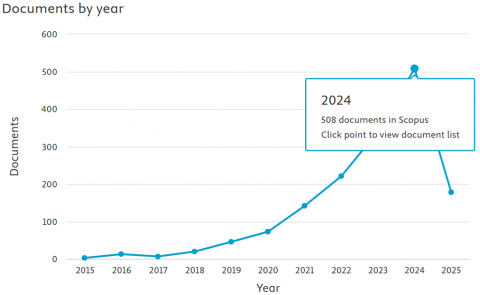
Figure 1 quantifies and visualizes the growth and trend of publications within a specific domain over time, providing crucial context for understanding the field's development and research activity.
Table 2. Inclusion and exclusion criterion
| Criteria | Inclusion | Exclusion |
| Relevance to the Topic |
|
Studies unrelated to SDG 9, SDG 3, innovation, or infrastructure. Irrelevant health studies without an infrastructure or technology focus. |
|
||
|
||
| Language | English | Non-English |
| Publication Date | Between 2014 and 2024 | Before 2014 |
| Journal Type | Peer-reviewed journals or high-quality conference proceedings. | Non-peer-reviewed sources, blogs, or opinion articles. |
| Open Access | Open-access journals or open-access versions of articles in subscription-based journals. | Subscription-based articles without accessible versions in university. |
| Non-Peer-Reviewed Papers | -------- | White papers, opinion pieces, or non-academic sources. |
| Duplicated Studies | More detailed versions of the same research. | Summaries, duplicates, or less detailed versions. |
Table 3. Search strings on Scopus
|
Research Questions |
Search String |
Number of Publications on Scopus |
|
RQ1 |
"innovation" OR "industry" OR "technology" OR "infrastructure") AND ("public health" OR "health outcomes" OR "health improvement" OR "SDG 3" OR "well-being") AND ("SDG 9" OR "sustainable development goals" |
1549 |
|
RQ2 |
"SDG 9" OR "industry" OR "innovation" OR "infrastructure") AND ("SDG 3" OR "public health" OR "health equity" OR "health outcomes" OR "sustainable development") AND ("synergy" OR "interactions" OR "challenges" OR "barriers" |
671 |
|
RQ3 |
"sustainable industrial practices" OR "clean energy" OR "green technologies" OR "healthcare innovation" OR "healthcare access") AND ("SDG 9" OR "industry" OR "infrastructure") AND ("SDG 3" OR "public health" OR "healthcare delivery" OR "health services") AND ("integration" OR "contribution" OR "improvement" |
53 |
Figure 1. Trend of documents published in given domain
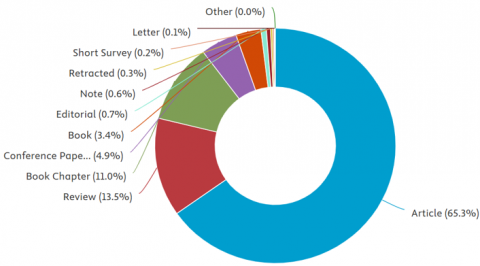
Figure 2 reveals the composition of research output by document type, highlighting the predominant forms of knowledge dissemination within the SDG domain and indicating the balance between theoretical and practical contributions.
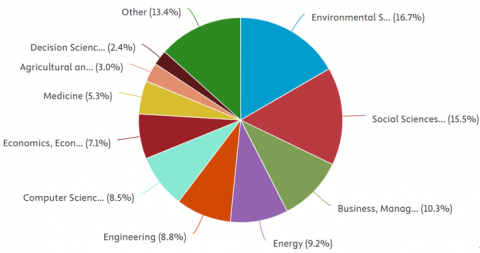
Figure 3 illustrates the interdisciplinary nature of the SDG research field, showing the distribution of publications across various subject areas and highlighting the key disciplines contributing to the topic.
Figure 2. Dissection of document type for SDG
Figure 3. Bifurcation of documents by subject area
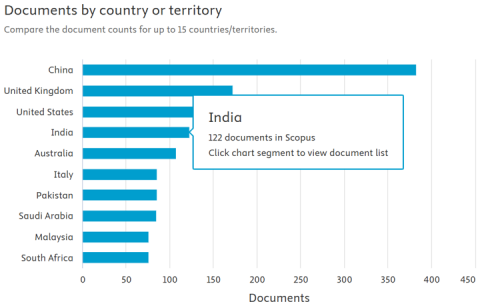
Figure 4 maps the geographical distribution of research output, revealing which countries are leading contributors to the SDG domain and highlighting potential disparities or collaborations in global research efforts.
Figure 4. Country wise published documents
These figures collectively underscore the SLR's imperative by demonstrating a proliferating, polymorphous, interdisciplinary, and geographically dispersed corpus, necessitating rigorous synthesis to extract salient insights and mitigate epistemological fragmentation inherent within the domain's complex knowledge landscape. After filtration of above documents through PRISMA process below, research questions will be answered.
Figure 5. PRISMA roadmap
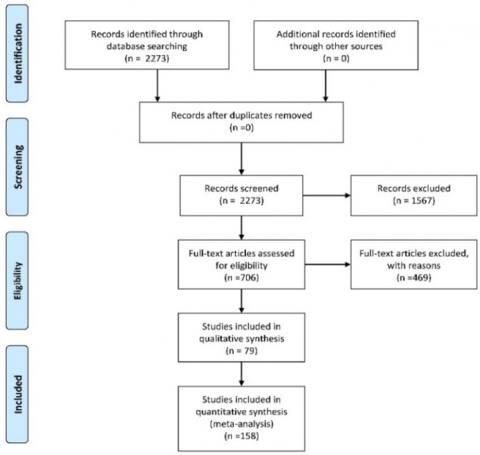
The search strings mentioned in Table 3 were entered on the Scopus website by selecting the tab of keywords for the search option. Based on the results, a thorough analysis of published work in the given domain was conducted to find the answers to the research questions. Established on the findings provided by the relevant researchers, an assessment of the role of innovation and infrastructure in enhancing public health was made. The findings and implications of the available literature were extracted, and an attempt to deliver all that on a single point is made in current research. To narrow down the available research, the PRISMA technique was used, the elaboration of which is given in Figure 5. Through its meticulously structured guidelines encompassing rigorous identification, screening, and inclusion protocols, the Preferred Reporting Items for Systematic Reviews and Meta-Analyses (PRISMA) furnishes a robust methodological scaffolding that not only galvanises transparency and replicability in the systematic literature review process but also fortifies the evidentiary bedrock for subsequent academic discourse and decision-making by ensuring the utmost comprehensiveness, uniformity, and methodological integrity in the collation and critical synthesis of empirical data. The filtration of documents based upon the PRISMA technique starts from 2273 documents, which is the total number of documents given in Table 3. All documents belong to the Scopus database; hence, additional records identified through other sources are zero. While screening the records of 2273 documents, 1567 documents were excluded as the policy implications mentioned in their abstract were no longer relevant in today's time. After eliminating 1567 documents, 706 documents were left out, of which 469 documents were again excluded because their findings were familiar with the remaining documents that became part of the present research. Since the role of 469 documents was only to support the findings of the remaining documents, hence they were excluded, and 237 documents were chosen to conclude the present research. Out of 237 documents, 79 documents contain research that was qualitative in nature, and 158 documents contain research that was quantitative. Both qualitative and quantitative research are insightful for policy implications. Hence, both were used to answer the research questions. A literature review is conducted in the present research of these 237 documents to extract discerning answers to the given research problem.
5.1 Technological and industrial innovations in healthcare: Contributions to public health (SDG 3)
There is no doubt that the upcoming time cannot be imagined in the absence of artificial intelligence. Artificial intelligence and machine learning will be very influential in healthcare [81]. The blend of artificial intelligence and machine learning has been responsible for quickly improving the condition of patients in terms of diseases [82], which is further responsible for saving time and cost [83, 84]. The existing literature highlights the benefit of artificial intelligence in diagnosing serious diseases such as cancer [85, 86]. The available literature clearly states that artificial intelligence can analyse health reports, whether in the form of text or an image. This analysis is more accurate and quicker if the assessment is compared with human intelligence [87-89]. In the fast-moving world, completing tasks on time will be an indispensable part of healthcare diagnosis.
After “AI”, telemedicine can be considered the second most significant advancement in health care. Telemedicine is the use of digital communication technologies, such as video conferencing, mobile apps, and remote monitoring tools, to provide healthcare services, including diagnosis, treatment, and consultation, to patients in remote or underserved areas, reducing the need for in-person visits, improving access to care, and enhancing the efficiency of healthcare delivery [90]. Telemedicine can be considered an essential addition to the domain of digital health. This facility has proven to be a blessing for rural and remote areas in developing countries. According to the literature review, the digitalisation of medicine, especially on mobile apps, has reduced the health boundary between urban and rural areas [91]. According to the literature review, the emergence of telemedicine has resulted in improved health outcomes.
People across the globe have shown a keen interest in wearable health devices. These smart devices help in the constant observation of significant health parameters in old patients, such as the rate at which their heart beats, oxygen levels in the blood, blood pressure, soundness of sleep, etc. Constant observation of these parameters can help generate reports, which, in combination with artificial intelligence, can be used to improve the health of the person. The literature review states that monitoring health through these devices can significantly reduce the prospective attack of severe diseases.
Other significant advancements in healthcare technological development include:
Integrating these innovations helps devise an ecosystem that serves as a beneficial advancement in the healthcare field [94-96]. Researchers have reviewed the fact that blockchain can make health-related information more authentic and reliable.
Table 4. Benefits of industrial innovation
|
Category |
Industrial Innovation |
Benefits |
|
Green Manufacturing [106] |
Eco-friendly production processes, renewable energy use |
Minimizes waste and emissions, promotes sustainability |
|
Waste Management Technologies [107] |
Advanced recycling systems, waste-to-energy plants |
Reduces landfill waste, converts waste into usable energy |
|
Emission Control Innovations [108] |
Scrubbers, filters, catalytic converters, carbon capture and storage (CCS) |
Decreases air pollution, captures and stores CO₂ emissions |
|
Sustainable Materials [109, 110] |
Biodegradable and recycled materials, bio-based polymers |
Reduces environmental impact, provides alternatives to plastics |
|
Water Treatment and Conservation [111, 112] |
Advanced water treatment systems, water recycling technologies |
Prevents industrial water pollution, conserves water resources |
|
Smart and Circular Economies [113] |
Circular economy models, IoT [114], and AI for resource management |
Promotes reuse and recycling, improves resource efficiency |
|
Eco-Friendly Packaging [115, 116] |
Compostable materials, lightweight packaging designs |
Reduces packaging waste, lessens dependency on single-use plastics |
|
Renewable Energy Integration [117, 118] |
Use of solar, wind, and other renewable energy sources, energy-efficient equipment |
Lowers industrial carbon footprints, promotes sustainable energy use |
|
Noise and Thermal Pollution Control [119-123] |
Soundproofing materials, thermal insulation technologies |
Reduces industrial noise pollution, minimises heat discharge |
|
Sustainable Supply Chain Innovations [124] |
Green logistics, electric/hybrid vehicles, sustainable raw material sourcing |
Lowers transportation emissions, supports eco-friendly supply chains |
Table 5. Category-wise impact of innovation on health
|
Category |
Innovation |
Impact |
|
Telemedicine [130] |
Mobile-based telemedicine platforms |
Provides remote access to healthcare in underserved areas, reducing travel costs and improving access. |
|
Portable Diagnostic Tools [131] |
Point-of-care diagnostic devices for diseases like malaria, tuberculosis, and HIV |
Enables early and accurate disease detection in areas with limited lab facilities. |
|
Community Health Worker (CHW) Training [132] |
Mobile apps and digital tools to train and support community health workers |
Empowers CHWs to provide basic care and health education, improving healthcare delivery locally. |
|
Low-Cost Medical Equipment |
Affordable innovations like solar-powered refrigerators and portable ultrasound devices |
Ensures access to essential tools in areas with limited electricity or infrastructure. |
|
Vaccination Innovations [133, 134] |
Heat-stable vaccines and drone delivery for immunization programs |
Increases vaccine reach and efficacy in remote and resource-constrained regions. |
|
Health Information Systems [135] |
Simple, low-cost data management systems like open-source health records |
Improves patient tracking, health planning, and care coordination. |
|
Water and Sanitation Solutions [136] |
Low-cost water purification systems and portable toilets |
Reduces the spread of waterborne diseases, improving public health. |
|
Solar-Powered Clinics [137] |
Solar-powered health facilities or mobile clinics |
Ensures reliable healthcare delivery in areas without stable electricity. |
|
Mhealth Applications [138] |
Mobile health apps for health awareness, appointment booking, and medication reminders |
Enhances health literacy and empowers patients in resource-limited settings. |
|
Community-Based Insurance [139] |
Micro-insurance schemes for affordable healthcare access |
Reduces financial barriers to accessing essential healthcare services. |
Infrastructure Development: Impact on Health Equity and Access to Healthcare
Infrastructure evolution is paramount in enhancing health-equity [95] and access to healthcare by constructing establishments like hospitals, infirmaries, and conveyance approaches that associate individuals to medical assistance [140]. Even those in secluded or underserved regions can access fundamental healthcare [141, 142]. Well-built roads and digital technological systems, such as telemedicine [143], make it more leisurely for patients to correspond with physicians and for healthcare providers to produce timely sustenance [144]. By handling impediments like distance, expense, and undersupply of aids [145], infrastructural evolution enables the assembly of a more impartial and inclusive healthcare technique for everyone [146].
Table 6. Present status of healthcare infrastructure
|
Aspect |
Urban Areas |
Rural Areas |
|
Healthcare Facilities [150] |
Urban regions have a higher concentration of hospitals and clinics, including private healthcare providers. |
Rural areas face a shortage of healthcare facilities, with a 24% shortfall in Sub Centres (SCs), 29% in Primary Health Centres (PHCs), and 38% in Community Health Centres (CHCs). |
|
Healthcare Workforce [151] |
Approximately 74% of doctors are based in urban areas, serving only 28% of the population. |
Rural healthcare systems suffer from significant shortages: 83.2% of surgeons, 74.2% of obstetricians and gynaecologists, 79.1% of physicians, and 81.6% of paediatricians. |
|
Public vs. Private Healthcare [152] |
Urban areas have a higher presence of private healthcare facilities, leading to better access for those who can afford it. |
Limited private healthcare options result in higher dependence on under-resourced public facilities. |
|
Out-of-Pocket Expenditure [153] |
Urban residents often have higher out-of-pocket healthcare expenses due to the prevalence of private healthcare services. |
High out-of-pocket expenses are a significant burden, with Indians paying approximately 63% of medical expenses out-of-pocket, one of the highest rates globally. |
|
Government Initiatives [154] |
Programs like Ayushman Bharat aim to improve access but face challenges in urban implementation due to the dominance of private healthcare. |
Initiatives such as Ayushman Bharat focus on enhancing rural healthcare infrastructure and access. |
|
Health Outcomes [155] |
Better health outcomes due to superior infrastructure and availability of specialised services. |
Higher mortality and morbidity rates are attributed to inadequate facilities and workforce shortages. |
Table 7. Key findings related to transportation and accessibility
|
Study |
Focus |
Key Findings |
|
[152] |
Impact of transportation on healthcare access |
Transportation barriers significantly hinder access to healthcare, especially for low-income and rural populations. |
|
[153] |
Urban vs. rural healthcare accessibility |
Urban areas benefit from better public transport and road infrastructure, while rural regions face delays and lower healthcare utilisation. |
|
[130] |
Emergency medical transport in rural settings |
Limited availability of ambulances and poor road conditions in rural areas lead to higher mortality during emergencies. |
|
[98] |
Effect of distance to healthcare facilities |
Greater distances to clinics and hospitals reduce the likelihood of seeking timely care in rural and underserved areas. |
|
[146] |
Accessibility as a dimension of healthcare access |
Transportation is a core component of accessibility, directly impacting patient satisfaction and health outcomes. |
|
[156] |
Transportation and global health equity |
Improved transport systems enhance access to healthcare, particularly in low- and middle-income countries, reducing health disparities. |
|
[95] |
Transport systems and social exclusion in healthcare access |
Inadequate transport disproportionately affects vulnerable groups, including the elderly and those with chronic conditions. |
Table 8. Key findings related to water, sanitation, and energy infrastructure
|
Study |
Focus |
Key Findings |
|
[162] |
Economic impacts of water and sanitation infrastructure |
Investments in water and sanitation reduce healthcare costs and improve productivity in low-income settings. |
|
[163] |
Water, sanitation, and hygiene (WASH) and health outcomes |
Poor WASH infrastructure is linked to increased incidence of waterborne diseases like cholera and diarrheal. |
|
[164] |
Energy access in healthcare facilities |
Lack of reliable energy in healthcare settings compromises the delivery of essential medical services, especially in rural areas. |
|
[165] |
Role of sanitation in global health |
Improved sanitation facilities significantly reduce child mortality and the spread of communicable diseases. |
|
[166] |
Sustainable energy for health |
Access to renewable energy improves healthcare delivery, particularly in remote areas, by powering medical equipment and lighting. |
|
[167] |
Water access disparities |
Inequalities in water access disproportionately affect rural and marginalized populations, worsening health outcomes. |
|
[168] |
Renewable energy integration in health infrastructure |
Solar and wind energy reduce operational costs in health facilities while ensuring consistent energy supply in off-grid regions. |
|
[169] |
Global burden of disease from poor water and sanitation |
Inadequate water and sanitation contribute to a significant burden of disease, particularly among children under five. |
|
[170] |
Synergy of water, sanitation, and energy infrastructure |
Integrated infrastructure planning improves health outcomes, economic development, and environmental sustainability. |
Synergies Between SDG 9 and SDG 3: Innovation, Industry, and Infrastructure in Achieving Public Health Goals
Table 9. Key findings related to innovation and health system
|
Study |
Focus |
Key Findings |
|
[175] |
Role of infrastructure in health system resilience |
Robust infrastructure, including transport and technology, enhances health system response to emergencies. |
|
[76] |
Innovation in healthcare and public health outcomes |
Innovations in medical technology, such as telemedicine, improve access and efficiency in underserved regions. |
|
[176] |
Linking SDG 9 and SDG 3 for sustainable development |
Investments in industrial and infrastructure innovation directly impact health equity and service delivery. |
|
[176] |
Health systems and industrial collaboration |
Public-private partnerships in healthcare industries boost access to affordable medical technologies. |
|
[70] |
Infrastructure and healthcare in low-income settings |
Integrated infrastructure approaches, such as clean energy and WASH systems, strengthen healthcare delivery. |
|
[177] |
Renewable energy in healthcare |
Reliable energy infrastructure ensures uninterrupted health services, especially in rural and off-grid areas. |
|
[178] |
Water and sanitation infrastructure for public health |
Synergies between industrial advancements and WASH systems reduce communicable diseases globally. |
|
[179] |
Impact of innovation on disease burden |
Technological advancements in diagnostics and treatment significantly lower disease burden in vulnerable populations. |
|
[180] |
SDG synergies for global health |
Coordinated efforts between infrastructure and health innovations accelerate progress toward SDG 3 and SDG 9. |
|
[181] |
Role of technology and industry in healthcare affordability |
Industrial innovations, such as cost-effective manufacturing of medicines, improve healthcare affordability and access. |
Table 10. Key findings related to health, economic growth and sustainable development
|
Study |
Focus |
Key Findings |
|
[182] |
Health and economic growth relationship |
Good health is a key driver of economic growth; healthier populations are more productive and contribute to higher GDP. |
|
[183] |
Health and sustainable development |
Investing in health systems improves overall economic development and supports the achievement of SDGs, especially SDG 3 and SDG 8. |
|
[184] |
Health outcomes and productivity |
Improvements in health lead to higher workforce participation and productivity, which, in turn, boosts economic growth. |
|
[185] |
Health as an economic asset |
Health is a fundamental economic asset, and investing in healthcare yields substantial returns through reduced healthcare costs and increased worker productivity. |
|
[186] |
Economic impact of health improvements |
Improved public health, especially in terms of infant mortality reduction, contributes significantly to long-term economic growth. |
|
[187] |
Health as a driver of sustainable development |
Health investments improve quality of life, promote equality, and enhance economic stability, all of which are essential for sustainable development. |
|
[188] |
Social determinants of health and economic development |
Social inequalities in health exacerbate economic disparities; addressing health inequalities promotes inclusive economic growth. |
|
[189] |
Health systems and economic growth link |
Strong health systems are critical for sustaining economic development, as they reduce the burden of disease and increase workforce capacity. |
|
[190] |
Global health and economic development |
Reducing health disparities globally contributes to better economic performance by improving human capital, especially in developing countries. |
|
[191] |
Health investments and long-term economic growth |
Investments in healthcare infrastructure, especially in low-income countries, drive long-term economic growth by creating jobs and fostering human capital development. |
Table 11. Barriers to synergies
|
Study |
Focus |
Key Findings |
|
[195] |
Barriers to achieving synergies in development |
Political instability, poor governance, and lack of coordination between sectors hinder the integration of health, economic growth, and sustainable development. |
|
[196] |
Challenges in aligning health and economic goals |
Misalignment of health policies with economic objectives and insufficient investments in health systems slow progress toward achieving synergies. |
|
[197] |
Barriers to sustainable development |
Lack of financial resources, political will, and infrastructure investment impede the realization of synergies between health and economic development. |
|
[198] |
Health and economic development synergies |
Inadequate health financing, weak healthcare infrastructure, and limited access to essential services are major barriers to health-driven economic growth. |
|
[199] |
Constraints to health and economic integration |
Fragmented policy frameworks, ineffective health systems, and poor intersectoral collaboration create significant barriers to fostering synergies. |
|
[200] |
Global health governance and economic growth |
Global disparities in health and economic resources create unequal opportunities for synergies, particularly in low-income countries. |
|
[201] |
Political barriers to sustainable health development |
Weak institutional frameworks, corruption, and lack of accountability in public health systems obstruct synergies between economic growth and health. |
|
[202] |
Environmental and social barriers to sustainable development |
Environmental degradation and social inequalities often undermine efforts to achieve synergies between health, economic growth, and sustainability. |
|
[203] |
Financial constraints to health and economic synergies |
Limited fiscal space in developing countries and insufficient funding for health systems prevent the effective integration of health goals with economic development strategies. |
|
[204] |
Social determinants of health and barriers to synergy |
Inequities in access to healthcare, education [205], and income distribution create persistent barriers to the integration of health and economic goals in sustainable development. |
Policy Implications and Future Directions
Table 12. Policy implications
|
Recommendation |
Description |
Expected Impact |
|
1. Multi-Sectoral Policy Integration [70] |
Develop comprehensive policies that integrate health, economic growth, and sustainability goals across sectors such as education, infrastructure, and social protection. |
Promotes coordinated efforts across sectors, ensuring a holistic approach to development and improving overall policy coherence. |
|
2. Intergovernmental Coordination and Collaboration [208] |
Enhance collaboration between national, regional, and local governments, along with international organizations, to ensure synchronized policies and effective implementation. |
Facilitates sharing of resources, knowledge, and best practices, leading to more effective and scalable health and development solutions. |
|
3. Resource Allocation and Financing [209] |
Allocate sufficient and sustainable financial resources for health systems, infrastructure development, and poverty alleviation programs, focusing on low- and middle-income countries. |
Strengthens the foundation of healthcare systems, improving service delivery and economic growth, and reduces disparities. |
|
4. Health System Resilience Building [210] |
Strengthen health systems through investments in infrastructure, workforce training, and technological innovations to ensure resilience during crises (e.g., pandemics, natural disasters). |
Increases the capacity of health systems to respond to shocks, safeguarding public health and economic stability. |
|
5. Universal Health Coverage (UHC) [211] |
Advocate for the implementation of UHC policies that ensure equitable access to quality healthcare services for all populations, regardless of income or location. |
Reduces health inequalities, improves productivity, and fosters economic growth by ensuring a healthy and productive workforce. |
|
6. Sustainable Infrastructure Development [212] |
Invest in sustainable energy, water, sanitation, and transportation infrastructure to support both health and economic growth, particularly in underserved regions. |
Ensures basic services are accessible, improves public health outcomes, and fosters job creation and sustainable economic growth. |
|
7. Public-Private Partnerships (PPP) [213] |
Encourage partnerships between the public and private sectors to innovate and finance health infrastructure and services, particularly in resource-constrained settings. |
Leverages private sector expertise and capital to enhance public health systems and expand access to essential services. |
|
8. Reducing Inequities through Social Protection [214] |
Implement social protection programs, including cash transfers, unemployment insurance, and targeted healthcare subsidies, to reduce socio-economic disparities. |
Helps mitigate the effects of poverty on health and economic outcomes, ensuring equitable growth and development opportunities. |
|
9. Data-Driven Decision Making [90] |
Foster the use of data and technology to inform policy decisions, monitor health outcomes, and track economic development progress, including through digital health platforms. |
Enables evidence-based decision-making, improves policy effectiveness, and allows for real-time adjustments to improve outcomes. |
|
10. Education and Capacity Building [59] |
Strengthen education systems by integrating health literacy, economic empowerment, and sustainability principles into curricula at all levels. |
Empowers individuals with the knowledge and skills to make informed decisions, improving health outcomes and driving economic growth. |
The recent trends mentioned in Table 13 have evidenced that development in the health sector is advancing at an increasing rate. Technological advancements and innovations are impacting various domains. Significant advancements in the industry are related to the integration of artificial intelligence into innovative technology. Artificial intelligence and machine learning have been witnessed as integral parts of new progressions in recent times.
Table 14 contains an insightful comparison between major economies in the context of synergies between SDG 9 and SDG 3. This comparison will help to develop an intuitive awareness regarding the current status of different initiatives taken by major economies across the globe. Based upon the implementation of key strategies, the impact on the treatment of given sustainable development goals can be assessed, and strategic implementation of one country can be used in the policy formulation of another country to develop a pervasive framework for achieving sustainable development goals. The policy formulation should be in such a way that more than one sustainable development goal is targeted through a single strategy implementation. If every sustainable development goal comes with a different strategy, it will only result in making the execution more complex, hence decreasing the efficiency.
Table 13. Recent trends in the field of health and economics
|
Trend |
Description |
Implications |
|
1. Digital Health Ecosystems [58] |
The rapid development and deployment of integrated, technology-driven health systems that leverage electronic health records (EHR), telemedicine, mobile health (mHealth), and wearable devices. |
Promotes efficient healthcare delivery, reduces cost burdens, enhances access to healthcare services, and improves patient outcomes. |
|
2. Artificial Intelligence (AI) in Healthcare [217] |
The integration of AI algorithms for predictive diagnostics, personalised treatment plans, and clinical decision support drives precision medicine and improves patient care efficiency. |
It improves diagnostic accuracy, optimises healthcare resource allocation, and accelerates medical research while reducing healthcare costs. |
|
3. Data-Driven Public Health |
Big data analytics, machine learning [218], and artificial intelligence are used to process and analyse vast amounts of health data to predict trends, prevent diseases, and inform policymaking. |
Enables evidence-based decision-making, improves health forecasting, and enhances healthcare planning, leading to more targeted interventions. |
|
4. Blockchain for Healthcare [219] |
The application of blockchain technology to secure patient data, streamline healthcare transactions, and ensure transparency and traceability in the medical supply chain. |
It enhances data security, ensures privacy, reduces fraud, and enables more transparent and efficient management of healthcare data and resources. |
|
5. Remote Health Monitoring and Telemedicine [220] |
Expansion of remote monitoring technologies and telehealth services that allow patients to access care from a distance, supported by wearable devices, mobile apps, and virtual consultations. |
Increases access to healthcare in underserved regions, reduces healthcare delivery costs, and ensures continuous care for chronic conditions. |
|
6. Personalized Medicine [221] |
The use of genetic information, biomarkers, and advanced diagnostics to tailor medical treatments to the individual characteristics of each patient, promoting more effective outcomes. |
Enhances treatment efficacy, reduces adverse effects, and optimizes healthcare costs by providing individualized care. |
|
7. Sustainable Health Infrastructure [25] |
The integration of green building practices, renewable energy, and sustainable materials in healthcare facilities to reduce environmental impact and support long-term health system resilience. |
Promotes environmentally sustainable healthcare systems, reduces operational costs, and improves health outcomes by creating healthier built environments. |
|
8. Cross-Sector Collaboration for Health [106] |
Enhanced cooperation between governments, the private sector, and civil society organizations to address health disparities, economic inequality, and environmental sustainability. |
Facilitates the creation of integrated, holistic policies that ensure the sustainable development of health systems and economic stability. |
|
9. Health Financing Innovation [33] |
New financial models such as health impact bonds, social investment, and public-private partnerships (PPPs) to fund health system development and innovative health projects in underserved areas. |
Increases access to healthcare resources, improves the sustainability of health financing, and attracts private investment in health systems. |
|
10. Green Health Technologies [29] |
The rise of health technologies designed with environmental sustainability in mind, including eco-friendly medical devices, low-carbon health solutions, and waste reduction technologies. |
This supports the health sector's role in combating climate change, reduces healthcare's environmental footprint, and enhances the sustainability of health services. |
Table 14. Convergent pathways: A cross-regional tableau of synergies between SDG 9 and SDG 3
|
Country/Region |
Key Initiatives or Strategies |
Implementation Approach |
Impact on SDG 9 |
Impact on SDG 3 |
Synergistic Outcomes & Challenges |
|
Germany [222] |
Public-private partnerships in e-health |
Collaboration among government, tech startups, and academia |
Growth in med-tech exports and digital infrastructure |
Improved healthcare access via telemedicine |
Facilitates high-tech integration but requires robust data protection and capital investment |
|
Rwanda [223] |
Nationwide telemedicine and healthcare infrastructure |
Government-led programs with NGOs and private partners |
ICT expansion in remote areas |
Reduced travel time and better maternal–child outcomes |
Infrastructure upgrades enhance service delivery but need sustainable financing and connectivity |
|
India [224] |
“Make in India” for medical devices and pharmaceuticals |
Policy incentives, foreign direct investment, and local R&D support |
Strengthened domestic manufacturing and exports |
Increased affordability and reduced dependency on imports |
Industrial growth bolsters healthcare innovation but faces regulatory and market balancing challenges |
|
Brazil [225] |
Integrated health–industry innovation clusters |
Synergy among universities, biotech firms, and public agencies |
Enhanced biotech and pharmaceutical sectors |
Greater availability of essential medicines in remote areas |
Concurrent industry–health advancements require stable policy support and stakeholder alignment |
Table 15. Exploring the synergies between SDG 9 (innovation & infrastructure) and SDG 3 (public health): High-income vs. Low-income countries
|
Aspect |
High-Income Countries |
Low-Income Countries |
Observed Synergies & Implications |
|
Policy Prioritization [226] |
Comprehensive national strategies with robust funding |
Often reliant on donor or NGO-driven initiatives |
Strategic partnerships can bridge gaps and amplify policy effectiveness |
|
Infrastructure & Technology [227] |
Advanced digital networks and sophisticated healthcare facilities |
Limited physical infrastructure but rising mobile penetration |
Targeted infrastructure investments can expedite healthcare delivery in underserved regions |
|
R&D and Innovation [228] |
Strong research funding and innovation ecosystems |
Lower budgets but growing local tech ventures and frugal innovations |
Collaborative ventures can produce scalable solutions tailored to local healthcare contexts |
|
Healthcare Access [229, 230] |
Universal coverage with high insurance penetration |
Fragmented systems facing resource constraints |
Infrastructure expansion can enhance equitable access and reduce health disparities |
|
Public–Private Partnerships [231-233] |
Mature partnerships driving high-tech solutions and policy alignment |
Nascent alliances seeking stable financial and technical support |
Focused PPP models can accelerate both industrial growth and health system strengthening |
|
Data & Monitoring [234, 235] |
Robust health informatics enabling predictive analytics and rapid response |
Fragmented data with limited interoperability and oversight |
Strengthening digital health infrastructure fosters evidence-based interventions and synergy |
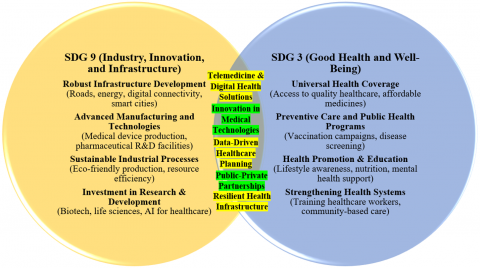
Figure 6. Venn diagram for showing synergies in SDG 9 and SDG 3
To strengthen the research findings, a final assessment of the difference between the high-income and low-income groups has been made in the context of synergies between SDG 9 and SDG 3 as shown in Table 15. In the analysis, it was found that a significant difference in the approach to building the synergies can be witnessed in high and low-income groups of countries [236, 237]. This difference is because of differences in economic conditions, which results in rising disparities on various fronts [238, 239]. The catch in this differentiation is that, in low-income countries, the potential of achieving sustainable development is high; hence through different aids, an attempt to strengthen the synergies has to be made [240, 241]. A significant leap between low and high-income countries in terms of infrastructure is present, but at the same time, the infrastructure of low-income countries can progress through sustainable development [242, 243].
The entire crux of the systematic literature review is displayed in the Venn diagram in Figure 6. The diagram incorporates the details of SDG 9 and SDG 3. The intersection of the circle includes those areas which need policy formulation to influence both SDGs. If policy implication can persuade the use of telemedicine and digital health solutions, SDG 9 and SDG 3 can be achieved. Also, it is critical to insinuate innovation in medical technologies as it would lead to infrastructural development promoting good health and well-being. Moreover, data-driven healthcare planning through integrated data platforms and predictive modelling for public health will bring relevant innovation to healthcare infrastructure. The present research also suggests creating public-private partnerships especially in low-income countries to execute policies for sustainable development. Collaboration among governments, NGOs, and industry can bring health outcomes and progressive infrastructural development. Lastly, strengthening hospitals and clinics through reliable power/water/IT networks is necessary to build Resilient Health Infrastructure.
In conclusion, the synergistic interplay between technological and industrial innovations, infrastructure development, and integrated policy frameworks is paramount for advancing the achievement of SDG 3 and SDG 9, wherein strategic investments in health systems, sustainable practices, and cross-sectoral collaborations catalyse not only equitable public health outcomes but also foster resilient economic growth while addressing global disparities and ensuring long-term sustainability for future generations.
[1] Yildirim, S., Yildirim, D.C., Demirtaş, I., Kandpal, V. (2024). Green transition impacts on the economy, society, and environment. IGI Global. https://doi.org/10.4018/979-8-3693-3985-5
[2] Tomar, S., Sharma, N., Kumar, R. (2024). Effect of organic food production and consumption on the affective and cognitive well-being of farmers: Analysis using prism of NVivo, etic and emic approach. Environment, Development and Sustainability, 26(5): 11027-11048. https://doi.org/10.1007/s10668-023-03195-z
[3] Wazid, M., Singh, J., Das, A.K., Rodrigues, J.J. (2023). An ensemble-based machine learning-envisioned intrusion detection in Industry 5.0-driven healthcare applications. IEEE Transactions on Consumer Electronics, 70(1): 1903-1912. https://doi.org/10.1109/TCE.2023.3318850
[4] Kadayat, Y., Sharma, S., Agarwal, P., Mohan, S. (2024). Internet-of-Things enabled smart health monitoring system using AutoAI: A graphical tool of IBM watson studio. In Communication Technologies and Security Challenges in IoT: Present and Future. Singapore: Springer Nature Singapore, pp. 427-445. https://doi.org/10.1007/978-981-97-0052-3_21
[5] Yuman, Y., Goyal, S.B., Rajawat, A.S., Kumar, M., Shankar, A., Alhayan, F., Basheer, S. (2024). A blockchain-based solution for enhancing the efficiency and security of healthcare knowledge management systems in the era of Industry 4.0. Wireless Networks, 1-22. https://doi.org/10.1007/s11276-024-03770-w
[6] Verma, A., Sharma, D., Pant, M., Khatib, M.N., Singh, M.P., Zahiruddin, Q.S., Rustagi, S., Gaidhane, S., Gaidhane, A.M. (2024). First sighting of human H5N1 in Australia: A detailed account and public health implications. New Microbes and New Infections, 60: 101447. https://doi.org/10.1016/j.nmni.2024.101447
[7] Thapa, D., Kumar, V., Naik, B., Kumar, V., Gupta, A.K., Mohanta, Y.K., Mishra, B., Rustagi, S. (2024). Harnessing probiotic foods: Managing cancer through gut health. Food Science and Biotechnology, 33(9): 2141-2160. https://doi.org/10.1007/s10068-024-01638-5
[8] Shreya, S., Arya, P., Gupta, A. (2023). Natural plant-derived bioactive compounds as health promoters. In Microbial Bioactive Compounds: Industrial and Agricultural Applications. Cham: Springer Nature Switzerland, pp. 161-179. https://doi.org/10.1007/978-3-031-40082-7_9
[9] Samantaray, A., Chattaraj, S., Mitra, D., Ganguly, A., Kumar, R., Gaur, A., Mohapatra, P.K.D., Santos-Villalobos, S.D.L., Rani, A., Thatoi, H. (2024). Advances in microbial based bio-inoculum for amelioration of soil health and sustainable crop production. Current Research in Microbial Sciences, 100251. https://doi.org/10.1016/j.crmicr.2024.100251
[10] Rai, A., Sharma, V.K., Sharma, M., Singh, S.M., Singh, B.N., Pandey, A., Nguyen, Q.D., Gupta, V.K. (2023). A global perspective on a new paradigm shift in bio-based meat alternatives for healthy diet. Food Research International, 169: 112935. https://doi.org/10.1016/j.foodres.2023.112935
[11] Zaheer, A., Hussain, D.Z., Verma, A., Sah, S., Pant, M., Khatib, M.N., Singh, M.P., Zahiruddin, Q.S., Rustagi, S. (2024). Marburg virus: An emerging threat to global health. Clinical Infection in Practice, 23: 100371. https://doi.org/10.1016/j.clinpr.2024.100371
[12] Anand, A., Singh, M.P., Sah, S., Verma, A., Khatib, M.N., Pant, M., Zahiruddin, Q.S., Rustagi, S. (2024). H5N1 avian influenza in USA: A call for vigilance in one health surveillance. Clinical Infection in Practice, 23: 100369. https://doi.org/10.1016/j.clinpr.2024.100369.
[13] Bathla, G., Kumar, S., Garg, H., Saini, D. (2024). Artificial Intelligence in Healthcare: Emphasis on Diabetes, Hypertension, and Depression Management. CRC Press. https://doi.org/10.1201/9781003522096
[14] Mittal, A., Pandey, H., Arsh, M., Soni, M., Goyal, H.R., Sharma, S. (2024). Advancements and applications of artificial intelligence in various sectors: From internet of vehicles to 6G and healthcare. In 2024 4th International Conference on Pervasive Computing and Social Networking (ICPCSN), Salem, India, pp. 107-112. https://doi.org/10.1109/ICPCSN62568.2024.00026
[15] Singh, S., Singh, A., Mohan, A., Batola, M., Kumar, N. (2024). Health expenditures and health outcomes in Central Europe and the Baltic Region. Baltic Region, 16(2): 126-143. https://doi.org/10.5922/2079-8555-2024-2-7
[16] Aiyappa, S., Kodikal, R., Rahiman, H.U. (2024). Accelerating gender equality for sustainable development: A case study of Dakshina kannada district, India. In Information and Communication Technology in Technical and Vocational Education and Training for Sustainable and Equal Opportunity: Education, Sustainability and Women’s Empowerment. Singapore: Springer Nature Singapore, pp. 335-349. https://doi.org/10.1007/978-981-99-6909-8_30
[17] Almutairi, A., Albagami, N., Almesned, S., Alrumayh, O., Malik, H. (2024). Optimal management of electric vehicle charging loads for enhanced sustainability in shared residential buildings. Frontiers in Energy Research, 12: 1396899. https://doi.org/10.3389/fenrg.2024.1396899
[18] Kaur, G., Dalei, N.N., Mahapatra, S.K., Kandpal, V. (2024). Cybersecurity, Law, and Economics: The Case of India (Routledge Studies in the Modern World Economy). Taylor and Francis.
[19] Thapliyal, K., Gupta, C., Mishra, A. (2024). Metaverse and green banking. In opportunities and risks in AI for business development. Cham: Springer Nature Switzerland, 1: 1037-1044. https://doi.org/10.1007/978-3-031-65203-5_89
[20] Banerjee, S., Pandit, C., Gundupalli, M.P., Pandit, S., Rai, N., Lahiri, D., Chaubey, K.K., Joshi, S.J. (2024). Life cycle assessment of revalorization of lignocellulose for the development of biorefineries. Environment, Development and Sustainability, 26(7): 16387-16418. https://doi.org/10.1007/s10668-023-03360-4
[21] Tiwari, R., Verma, V., Jain, V., Kakkar, V. (2025). Impact of the Russian invasion of Ukraine on the Indian Pharmaceutical Sector. In Driving Global Health and Sustainable Development Goals with Smart Technology. IGI Global Scientific Publishing, pp. 543-556. https://doi.org/10.4018/979-8-3373-0240-9.ch024
[22] Singh, V.P., Rana, A., Choudhury, T. (2024). Estimation of agri-produce using deep learning and smart vision by using prominent feature extraction. In 2024 2nd International Conference on Disruptive Technologies (ICDT), Greater Noida, India, pp. 1720-1724. https://doi.org/10.1109/ICDT61202.2024.10488984
[23] Pant, A., Joshi, R.C., Sharma, S., Pant, K. (2024). Air quality and public health risk assessment: A case of an industrial area in Haridwar city, Uttarakhand (India). Indian Journal of Public Health, 68(2): 222-226. https://doi.org/10.4103/ijph.ijph_279_23
[24] Manu, M., Makhija, F., Bist, A.S., Kharayat, P.S., Singh, A., Goyal, S. (2024). Unraveling the consequences of unethical act of use of artificial intelligence: A systematic review and meta-analysis. In 2024 4th International Conference on Advance Computing and Innovative Technologies in Engineering (ICACITE), Greater Noida, India, pp. 1890-1894. https://doi.org/10.1109/ICACITE60783.2024.10617437
[25] Bhatt, S., Dani, R., Singh, A.K. (2024). Exploring cutting-edge approaches to sustainable tourism infrastructure and design: A case studies of regenerative accommodation and facilities. In Dimensions of Regenerative Practices in Tourism and Hospitality. IGI Global, pp. 44-53. https://doi.org/10.4018/979-8-3693-4042-4.ch003
[26] Meena, C.S., Kumar, A., Singh, V.P., Ghosh, A. (2024). Sustainable Technologies for Energy Efficient Buildings. CRC Press. https://doi.org/10.1201/9781003496656
[27] Rajora, R., Gupta, H., Malhotra, S., Devliyal, S., Sunil, G. (2024). Advancing renal health: Unleashing the power of CNNs in multi-class classification for precise kidney condition diagnosis. In 2024 IEEE 9th International Conference for Convergence in Technology (I2CT), Pune, India, pp. 1-5. https://doi.org/10.1109/I2CT61223.2024.10544018
[28] Wongchai, A., Shukla, S.K., Ahmed, M.A., Sakthi, U., Jagdish, M. (2022). Artificial intelligence-enabled soft sensor and internet of things for sustainable agriculture using ensemble deep learning architecture. Computers and Electrical Engineering, 102: 108128. https://doi.org/10.1016/j.compeleceng.2022.108128
[29] Singh, A.R., Vishnuram, P., Alagarsamy, S., Bajaj, M., Blazek, V., Damaj, I., Rathore, R.S., Al-Wesabi, F.N., Othman, K.M. (2024). Electric vehicle charging technologies, infrastructure expansion, grid integration strategies, and their role in promoting sustainable e-mobility. Alexandria Engineering Journal, 105: 300-330. https://doi.org/10.1016/j.aej.2024.06.093
[30] Kukreti, B., Chaudhary, P., Sharma, A. (2024). Visualization of synergistic interaction between inorganic nanoparticle and bioinoculants. Vegetos, 1-9. https://doi.org/10.1007/s42535-024-01022-y
[31] Joshi, S., Bisht, B., Kumar, V., Singh, N., Jameel Pasha, S.B., Singh, N., Kumar, S. (2024). Artificial intelligence assisted food science and nutrition perspective for smart nutrition research and healthcare. Systems Microbiology and Biomanufacturing, 4(1): 86-101. https://doi.org/10.1007/s43393-023-00200-4
[32] Bachheti, A., Deepti, Bachheti, R.K., Singh, A., Zebeaman, M., Hunde, Y., Husen, A. (2023). Bioactive constituents and health promoting compounds of underutilized fruits of the northern Himalayas of India: A review. Food Production, Processing and Nutrition, 5(1): 24. https://doi.org/10.1186/s43014-023-00140-5
[33] Bohra, N.S., Bansal, S.S., Johri, A., Kathari, S. (2024). Evaluating infrastructure fund performance in India: A study of thematic investing. In Issues of Sustainability in AI and New-Age Thematic Investing. IGI Global, pp. 18-32. https://doi.org/10.4018/979-8-3693-3282-5.ch002.
[34] Malhotra, R.K., Gupta, S. (2021). Tele health in the digital era during COVID-19 a case study of Uttarakhand. Journal of Medical, Pharmaceutical, and Allied Sciences, 10: 109-112. https://doi.org/10.22270/jmpas.vic2i1.2016
[35] Sharma, M., Kumar, A., Luthra, S., Joshi, S., Upadhyay, A. (2022). The impact of environmental dynamism on low‐carbon practices and digital supply chain networks to enhance sustainable performance: An empirical analysis. Business Strategy and The Environment, 31(4): 1776-1788. https://doi.org/10.1002/bse.2983
[36] Dieudonné, K.K., Bajaj, M., Rubanenko, O., Jurado, F., Kamel, S. (2022). Hydropower potential assessment of four selected sites in the north interconnected network of Cameroon. In 2022 IEEE International Conference on Automation/XXV Congress of the Chilean Association of Automatic Control (ICA-ACCA), Curicó, Chile, pp. 1-6. https://doi.org/10.1109/ICA-ACCA56767.2022.10005948
[37] Narayanan, M., Devarayan, K., Verma, M., Selvaraj, M., Ghramh, H.A., Kandasamy, S. (2024). Assessing the ecological impact of pesticides/herbicides on algal communities: A comprehensive review. Aquatic Toxicology, 268: 106851. https://doi.org/10.1016/j.aquatox.2024.106851
[38] Gangwar, V.P., Srivastva, S.P. (2020). Impact of micro finance in poverty eradication via SHGs: A study of selected districts in UP. International Journal of Advanced Science and Technology, 29(2): 3818-3829.
[39] Hajoary, P.K., Balachandra, P., Garza-Reyes, J.A. (2024). Industry 4.0 maturity and readiness assessment: An empirical validation using confirmatory composite analysis. Production Planning & Control, 35(14): 1779-1796. https://doi.org/10.1080/09537287.2023.2210545
[40] Srivastava, A., Jawaid, S., Singh, R., Gehlot, A., Akram, S.V., Priyadarshi, N., Khan, B. (2022). Imperative role of technology intervention and implementation for automation in the construction industry. Advances in Civil Engineering, 2022(1): 6716987. https://doi.org/10.1155/2022/6716987
[41] Sahithya, B., Prasad, G., Sahithi, B., Devarlla, A.C., TR, Y. (2024). Empowering healthcare with AI: Advancements in medical image analysis, electronic health records analysis, and AI-driven chatbots. In 2024 3rd International Conference for Innovation in Technology (INOCON), Bangalore, India, pp. 1-7. https://doi.org/10.1109/INOCON60754.2024.10511753
[42] Goyal, S., Kaur, A., Sharma, V., Batra, N. (2024). IMHS: An IoT-based machine learning healthcare system. In 2024 2nd International Conference on Disruptive Technologies (ICDT), Greater Noida, India, pp. 916-919. https://doi.org/10.1109/ICDT61202.2024.10489127
[43] Singh, P., Singh, D.P. (2024). Role of disruptive technologies in the smart healthcare sector of society 5.0. In Artificial Intelligence and Society 5.0. Chapman and Hall/CRC, pp. 143-153. https://doi.org/10.1201/9781003397052-13
[44] Haseeb, M., Kayani, U., Shuaib, M., Hossain, M.E., Kamal, M., Khan, M.F. (2024). Asymmetric role of green energy, innovation, and technology in mitigating greenhouse gas emissions: Evidence from India. Environmental Science and Pollution Research, 31(15): 23146-23161. https://doi.org/10.1007/s11356-024-32582-w
[45] Mangla, S.K., Luthra, S., Mishra, N., Singh, A., Rana, N.P., Dora, M., Dwivedi, Y. (2018). Barriers to effective circular supply chain management in a developing country context. Production Planning & Control, 29(6): 551-569. https://doi.org/10.1080/09537287.2018.1449265
[46] Kumar, R., Khanna, R. (2023). Role of artificial intelligence in digital currency and future applications. In 2023 Second International Conference on Augmented Intelligence and Sustainable Systems (ICAISS), Trichy, India, pp. 42-46. https://doi.org/10.1109/ICAISS58487.2023.10250480
[47] Grover, D., Sharma, S., Kaur, P., MIttal, A., Sharma, P.K. (2024). Societal elements that impact the performance of women entrepreneurs in Tier-II cities: A study of rohilkhand region of uttar pradesh. In 2024 Zooming Innovation in Consumer Technologies Conference (ZINC), Novi Sad, Serbia, pp. 114-117. https://doi.org/10.1109/ZINC61849.2024.10579316
[48] Kumar, M.A., Mayil, V.V., Jeyalakshmi, T.R., Ghanshala, A., Gupta, A. (2023). Wireless Body Area Network (WBAN) centric healthcare system for continuous monitoring. In 2023 9th International Conference on Advanced Computing and Communication Systems (ICACCS), Coimbatore, India, 1: 214-219. https://doi.org/10.1109/ICACCS57279.2023.10112922
[49] Uniyal, S., Mangla, S.K., Sarma, P.R., Tseng, M.L., Patil, P. (2021). ICT as “knowledge management” for assessing sustainable consumption and production in supply chains. Journal of Global Information Management (JGIM), IGI Global, 29(1): 164-198. https://doi.org/10.4018/978-1-6684-3885-5.ch048
[50] Rajeswari, M., Kumar, N., Raman, P., Patjoshi, P.K., Singh, V., Pundir, S. (2022). Optimal analysis for enterprise financial management based on artificial intelligence and parallel computing method. In 2022 5th International Conference on Contemporary Computing and Informatics (IC3I), Uttar Pradesh, India, pp. 2081-2086. https://doi.org/10.1109/IC3I56241.2022.10072851
[51] Bhatnagar, M., Taneja, S., Kumar, P., Özen, E. (2024). Does financial education act as a catalyst for SME competitiveness? International Journal of Education Economics and Development, 15(3): 377-393. https://doi.org/10.1504/IJEED.2024.139306
[52] Mishra, D., Kandpal, V., Agarwal, N., Srivastava, B. (2024). Financial inclusion and its ripple effects on socio-economic development: A comprehensive review. Journal of Risk and Financial Management, 17(3): 105. https://doi.org/10.3390/jrfm17030105
[53] Wateen Mankhi, H. (2025). The role of green strategic management and green governance in the efficiency of sustainable public service delivery: An applied study in the Rifa'i district municipality. Himalayan Journal of Economics and Business Management, 6(2): 1-18. https://doi.org/10.47310/hjebm.2024.v05i01.037
[54] Tyagi, S., Jindal, T., Krishna, S.H., Hassen, S.M., Shukla, S.K., Kaur, C. (2022). Comparative analysis of artificial intelligence and its powered technologies applications in the finance sector. In 2022 5th International Conference on Contemporary Computing and Informatics (IC3I), Uttar Pradesh, India, pp. 260-264. https://doi.org/10.1109/IC3I56241.2022.10073077
[55] Sayal, A., Gupta, A., Jha, J., Gupta, O., Gupta, V. (2024). Renewable energy and sustainable development: A green technology. In 2024 1st International Conference on Innovative Sustainable Technologies for Energy, Mechatronics, and Smart Systems (ISTEMS), Dehradun, India, pp. 1-6. https://doi.org/10.1109/ISTEMS60181.2024.10560344
[56] Banerjee, D., Sharma, N., Chauhan, R., Singh, M., Kumar, B.V. (2024). A deep dive into precision horticulture: Unravelling olive peacock spot intensity with hybrid deep learning. In 2024 5th International Conference for Emerging Technology (INCET), Belgaum, India, pp. 1-5. https://doi.org/10.1109/INCET61516.2024.10593619
[57] Malhotra, R.K., Gupta, C., Jindal, P. (2022). Blockchain and smart contracts for insurance industry. Blockchain Technology in Corporate Governance: Transforming Business and Industries, 239-252. https://doi.org/10.1002/9781119865247.ch11
[58] Maaze, M.R., Garg, N., Das, S.K., Shrivastava, S. (2024). Industrial and C&D waste as precursor material in geopolymers: A state-of-the-art review. Innovative Infrastructure Solutions, 9(6): 229. https://doi.org/10.1007/s41062-024-01546-x
[59] Singh, A., Srivastava, A. (2024). Innovation needed to improve road construction and road infrastructure in the future in India. IOP Conference Series: Earth and Environmental Science, 1326(1): 012097. https://doi.org/10.1088/1755-1315/1326/1/012097
[60] Sharma, A., Sharma, R.K., Nanda, S., Misra, A. (2022). Emerging real time analytics based health start-ups: Opportunities during COVID-19. Journal of Medical Pharmaceutical and Allied Sciences, 11(4): 5017-5025. https://doi.org/10.55522/jmpas.V11I4.2360.
[61] Ramanan, M., Singh, L., Kumar, A.S., Suresh, A., Sampathkumar, A., Jain, V., Bacanin, N. (2022). Secure blockchain enabled cyber-physical health systems using ensemble convolution neural network classification. Computers and Electrical Engineering, 101: 108058. https://doi.org/10.1016/j.compeleceng.2022.108058
[62] Suresh, M., Antony, J., Nair, G., Garza-Reyes, J.A. (2023). Lean-Sustainability assessment framework development: Evidence from the construction industry. Total Quality Management & Business Excellence, 34(15-16): 2046-2081. https://doi.org/10.1080/14783363.2023.2222088
[63] Aldouri, S.N.M., Singh, A., Jain, B., Joshi, K.K., Mohsen, A., Allathadka, H.P. (2025). Smart energy demand scheduling in the energy system considering economic and environmental multi-objective functions. In Operations Research Forum. Cham: Springer International Publishing, 6(1): 26. https://doi.org/10.1007/s43069-025-00422-3
[64] Mbano, G.M., Mwangakala, H.A., Shao, D., Alexopoulos, C., Saxena, S. (2025). Improvising e-services in Tanzanian public service delivery: Model proposal and validation. Foresight. https://doi.org/10.1108/FS-02-2024-0034
[65] Gupta, A., Haseeb, M., Lakhera, A., Sharma, U., Hossain, M.E. (2025). Inter-state variation in sectoral growth after state reorganisation: A comparative study of parent and newly formed states in India. South Asia Research, 45(1): 27-48. https://doi.org/10.1177/02627280241303049
[66] Semwal, G., Sharma, S., Rawat, T., Sharma, G., Bansal, R.C. (2025). Stochastic energy management operation strategy for high penetrated grid connected solar with incorporation of battery storage system. Smart Grids and Sustainable Energy, 10(1): 1-11. https://doi.org/10.1007/s40866-024-00221-5
[67] Godbole, V., Kukrety, S., Gautam, P., Bisht, M., Pal, M.K. (2023). Bioleaching for heavy metal extraction from E-waste: A sustainable approach. In Microbial Technology for Sustainable E-Waste Management. Springer, Cham, pp. 75-86. https://doi.org/10.1007/978-3-031-25678-3_4
[68] Gaurav, G., Singh, A.B., Khandelwal, C., Gupta, S., Kumar, S., Meena, M.L., Dangayach, G.S. (2023). Global development on LCA research: A bibliometric analysis from 2010 to 2021. International Journal of Social Ecology and Sustainable Development (IJSESD), 14(1): 1-19. https://doi.org/10.4018/IJSESD.327791
[69] Kumar, A., Saxena, M., Sastry, R.V.L.S.N., Chaudhari, A., Singh, R., Malathy, V. (2023). Internet of Things and blockchain data supplier for intelligent applications. In 2023 6th International Conference on Contemporary Computing and Informatics (IC3I), Gautam Buddha Nagar, India, 6: 2218-2223. https://doi.org/10.1109/IC3I59117.2023.10397630
[70] Kumar, V., Korovin, G. (2022). A comparision of digital transformation of industry in the Russian federation with the European Union. In International Scientific Conference on Digital Transformation in Industry: Trends, Management, Strategies. Cham: Springer Nature Switzerland, pp. 45-57. https://doi.org/10.1007/978-3-031-30351-7_5
[71] Padhi, B.K., Singh, S., Gaidhane, A.M., Serhan, H.A., Khatib, M.N., Zahiruddin, Q.S., Rustagi, S., Sharma, R.K., Sharma, D., Arora, M., Satapathy, P. (2024). Inequalities in cardiovascular disease among elderly Indians: A gender perspective analysis using LASI wave-I (2017-18). Current Problems in Cardiology, 102605. https://doi.org/10.1016/j.cpcardiol.2024.102605
[72] Nainwal, P., Lall, S., Bhatt, J., Dobhal, N., Nawaz, A. (2022). Public behavioural design for Corona health care professionals during COVID-19. Journal of Medical Pharmaceutical and Allied Sciences, Volume Int. Conference, 2: 232-234. https://doi.org/10.22270/jmpas.VIC2I2.1835
[73] Dhinakaran, M., Priya, P.K., Alanya-Beltran, J., Gandhi, V., Jaiswal, S., Singh, D.P. (2022). An Innovative Internet of Things (IoT) computing-based health monitoring system with the aid of machine learning approach. In 2022 5th International Conference on Contemporary Computing and Informatics (IC3I), Uttar Pradesh, India, pp. 292-297. https://doi.org/10.1109/IC3I56241.2022.10072528
[74] Ram, M., Xing, L. (2023). Reliability Modeling in Industry 4.0. Elsevier. https://doi.org/10.1016/C2021-0-01679-5
[75] Singh, N.K., Singh, Y., Rahim, E.A., Senthil Siva Subramanian, T., Sharma, A. (2025). Electric discharge machining of hybrid composite with bio-dielectrics for sustainable developments. Australian Journal of Mechanical Engineering, 23(1): 131-148. https://doi.org/10.1080/14484846.2023.2249577
[76] Akberdina, V., Kumar, V., Kyriakopoulos, G.L., Kuzmin, E. (2023). Editorial: What does industry’s digital transition hold in the uncertainty context? In Digital Transformation in Industry. Springer, Cham. https://doi.org/10.1007/978-3-031-30351-7_1
[77] Sharma, P., Taneja, S., Kumar, P., Özen, E., Singh, A. (2024). Application of the UTAUT model toward individual acceptance: Emerging trends in artificial intelligence-based banking services. International Journal of Electronic Finance, 13(3): 352-366. https://doi.org/10.1504/IJEF.2024.139584
[78] Srivastava, B., Kandpal, V., Jain, A.K. (2024). Financial well-being of women self-help group members: A qualitative study. Environment, Development and Sustainability, 1-22. https://doi.org/10.1007/s10668-024-04879-w
[79] Yadav, S., Samadhiya, A., Kumar, A., Luthra, S., Pandey, K.K. (2024). Nexus between fintech, green finance and natural resources management: Transition of BRICS nation industries from resource curse to resource blessed sustainable economies. Resources Policy, 91: 104903. https://doi.org/10.1016/j.resourpol.2024.104903
[80] Dwivedi, S., Gupta, A. (2024). Strategically addressing skill gaps and imbalances among health employees. In Contemporary Challenges in Social Science Management: Skills Gaps and Shortages in The Labour Market. Emerald Publishing Limited, pp. 17-33. https://doi.org/10.1108/S1569-37592024000112A015
[81] Arya, A., Bachheti, A., Bachheti, R.K., Singh, M., Chandel, A.K. (2024). Role of artificial intelligence in minimizing carbon footprint: A systematic review of recent insights. Biorefinery and Industry 4.0: Empowering Sustainability. Springer, Cham, pp. 365-386. https://doi.org/10.1007/978-3-031-51601-6_14
[82] Yadav, A.P.S., Thapliyal, N., Aeri, M., Kukreja, V., Sharma, R. (2024). Advanced deep learning approaches: Utilizing VGG16, VGG19, and ResNet architectures for enhanced grapevine disease detection. In 2024 11th International Conference on Reliability, Infocom Technologies and Optimization (Trends and Future Directions)(ICRITO), Noida, India, pp. 1-4. https://doi.org/10.1109/ICRITO61523.2024.10522276
[83] Mohamed, N., Rao, L.S., Sharma, M., Shukla, S.K. (2023). In-depth review of integration of AI in cloud computing. In 2023 3rd International Conference on Advance Computing and Innovative Technologies in Engineering (ICACITE), Greater Noida, India, pp. 1431-1434. https://doi.org/10.1109/ICACITE57410.2023.10182738
[84] Singh, S.K., Chauhan, A., Sarkar, B. (2023). Sustainable biodiesel supply chain model based on waste animal fat with subsidy and advertisement. Journal of Cleaner Production, 382: 134806. https://doi.org/10.1016/j.jclepro.2022.134806
[85] Chandna, R. (2022). Selecting the most agile manufacturing system with respect to agile attribute-technology-fuzzy AHP approach. International Journal of Operational Research, 43(4): 512-532. https://doi.org/10.1504/IJOR.2022.122812
[86] Saini, S. (2022). Sustainable human resource management: A conceptual framework. ECS Transactions, 107(1): 6455-6463. https://doi.org/10.1149/10701.6455ecst
[87] Komkowski, T., Antony, J., Garza-Reyes, J.A., Tortorella, G.L., Pongboonchai-Empl, T. (2025). Integrating lean management with industry 4.0: An explorative dynamic capabilities theory perspective. Production Planning & Control, 36(5): 607-625. https://doi.org/10.1080/09537287.2023.2294297
[88] Verma, P., Chaudhari, V., Dumka, A., Gangwar, R.P.S. (2023). A meta-analytical review of deep learning prediction models for big data. Encyclopedia of Data Science and Machine Learning, 356-381. https://doi.org/10.4018/978-1-7998-9220-5.ch023
[89] Thapa, B.S., Pandit, S., Patwardhan, S.B., Tripathi, S., Mathuriya, A.S., Gupta, P.K., Lal, R.B., Tusher, T.R. (2022). Application of microbial fuel cell (MFC) for pharmaceutical wastewater treatment: An overview and future perspectives. Sustainability, 14(14): 8379. https://doi.org/10.3390/su14148379
[90] Bhuvaneswari, C.A., Garg, N., Supreeth, B.R., Patjoshi, P.K., UshaPriya, C., Tiwari, M. (2023). Optimistic boosting internet connection throughput by incorporating blockchain filters into network infrastructure. In 2023 International Conference on Innovative Computing, Intelligent Communication and Smart Electrical Systems (ICSES), Chennai, India, pp. 1-6. https://doi.org/10.1109/ICSES60034.2023.10465436
[91] Kohli, P., Sharma, S., Matta, P. (2022). Secured privacy preserving techniques analysis of 6G driven vehicular communication network in industry 5.0 Internet-of-Everything (IoE) applications. In 2022 International Conference on Smart Generation Computing, Communication and Networking (SMART GENCON), Bangalore, India, pp. 1-8. https://doi.org/10.1109/SMARTGENCON56628.2022.10084289
[92] Gupta, C., Jindal, P., Malhotra, R.K. (2022). A study of increasing adoption trends of digital technologies-An evidence from Indian banking. In AIP Conference Proceedings. AIP Publishing, 2481(1). https://doi.org/10.1063/5.0104572
[93] Kumar, R., Malhotra, R.K., Grover, C.N. (2023). Data mining in credit scoring and future application. In 2023 International Conference on Innovative Data Communication Technologies and Application (ICIDCA), Uttarakhand, India, pp. 1096-1100. https://doi.org/10.1109/ICIDCA56705.2023.10100032
[94] Kumar, R., Saxena, A., Singh, R. (2023). Robotic process automation bridge-In banking institute and consumers. In 2023 International Conference on Disruptive Technologies (ICDT), Greater Noida, India, pp. 428-431. https://doi.org/10.1109/ICDT57929.2023.10150500
[95] Ahmad, I., Sharma, S., Kumar, R., Dhyani, S., Dumka, A. (2023). Data analytics of online education during pandemic health crisis: A case study. In 2023 2nd Edition of IEEE Delhi Section Flagship Conference (DELCON), Rajpura, India, pp. 1-6. https://doi.org/10.1109/DELCON57910.2023.10127423
[96] RajBalaji, S., Raman, R., Pant, B., Rathour, N., Rajagopa, B.R., Prasad, C.R. (2023). Design of deep learning models for the identifications of harmful attack activities in IIOT. In 2023 International Conference on Artificial Intelligence and Smart Communication (AISC), Greater Noida, India, pp. 609-613. https://doi.org/10.1109/AISC56616.2023.10085088
[97] Badhotiya, G.K., Avikal, S., Soni, G., Sengar, N. (2022). Analyzing barriers for the adoption of circular economy in the manufacturing sector. International Journal of Productivity and Performance Management, 71(3): 912-931. https://doi.org/10.1108/IJPPM-01-2021-0021
[98] Josphineleela, R., Jyothi, M., Natrayan, L., Kaviarasu, A., Sharma, M. (2023). Development of IoT based health monitoring system for disables using microcontroller. In 2023 7th International Conference on Computing Methodologies and Communication (ICCMC), Erode, India, pp. 1380-1384. https://doi.org/10.1109/ICCMC56507.2023.10084026
[99] Gupta, A., Dixit, A.K., Kumar, K.S., Lavanya, C., Chakravarthi, M.K., Gangodkar, D. (2022). Analyzing robotics and computer integrated manufacturing of key areas using cloud computing. In 2022 5th International Conference on Contemporary Computing and Informatics (IC3I), Uttar Pradesh, India, pp. 194-199. https://doi.org/10.1109/IC3I56241.2022.10072581
[100] Joshi, S., Gangola, S., Bhandari, G., Bhandari, N. S., Nainwal, D., Rani, A., Malik, S., Slama, P. (2023). Rhizospheric bacteria: The key to sustainable heavy metal detoxification strategies. Frontiers in Microbiology, 14: 1229828. https://doi.org/10.3389/fmicb.2023.1229828
[101] Singla, R.K., De, R., Efferth, T., Mezzetti, B., Uddin, M.S., Ntie-Kang, F., et al. (2023). The International Natural Product Sciences Taskforce (INPST) and the power of Twitter networking exemplified through# INPST hashtag analysis. Phytomedicine, 108: 154520. https://doi.org/10.1016/j.phymed.2022.154520
[102] Pandey, T., Batra, A., Chaudhary, M., Ranakoti, A., Kumar, A., Ram, M. (2022). Computation signature reliability of computer numerical control system using universal generating function. In Predictive Analytics in System Reliability. Cham: Springer International Publishing. Springer, Cham, pp. 149-158. https://doi.org/10.1007/978-3-031-05347-4_10
[103] Sharma, S., Gupta, A., Tyagi, R. (2023). Sustainable natural resources utilization decision system for better society using vedic scripture, cloud computing, and IoT. In 2023 IEEE Fifth International Conference on Advances in Electronics, Computers and Communications (ICAECC), Bengaluru, India, pp. 1-6. https://doi.org/10.1109/ICAECC59324.2023.10560335
[104] Verma, M., Sharma, S., Kumar, A., Kumar, V., Kim, M., Hong, Y., Lee, I., Kim, H. (2022). Application of green nanomaterials in catalysis industry. In Green Nanomaterials for Industrial Applications. Elsevier, pp. 309-337. https://doi.org/10.1016/B978-0-12-823296-5.00013-7
[105] Jaswal, N., Kukreja, V., Sharma, R., Chaudhary, P., Garg, A. (2023). Citrus leaf scab multi-class classification: A hybrid deep learning model for precision agriculture. In 2023 4th IEEE Global Conference for Advancement in Technology (GCAT), Bangalore, India, pp. 1-5. https://doi.org/10.1109/GCAT59970.2023.10353507
[106] Bhatti, K.K., Negi, A. (2018). Green store attributes and infrastructure: A connecting link between retailers and consumers to bring sustainability. International Journal of Civil Engineering and Technology, 9(11): 190-198.
[107] Kaur, A., Kukreja, V., Upadhyay, D., Aeri, M., Sharma, R. (2024). An effective pistachio classification by ensembling fine-tuned ResNet20 and DenseNet models. In 2024 IEEE International Conference on Interdisciplinary Approaches in Technology and Management for Social Innovation (IATMSI), Gwalior, India, 2: 1-6. https://doi.org/10.1109/IATMSI60426.2024.10502708
[108] Banerjee, D., Kukreja, V., Aeri, M., Hariharan, S., Garg, N. (2023). Integrated CNN-SVM approach for accurate radish leaf disease classification: A comparative study and performance analysis. In 2023 Annual International Conference on Emerging Research Areas: International Conference on Intelligent Systems (AICERA/ICIS), Kanjirapally, India, pp. 1-6. https://doi.org/10.1109/AICERA/ICIS59538.2023.10420119
[109] Bansal, S., Kumar, V., Kumari, A., Kuzmin, E. (2022). Understanding the role of digital technologies in supply chain management of SMEs. In International Scientific Conference on Digital Transformation in Industry: Trends, Management, Strategies. Cham: Springer Nature Switzerland. Springer, Cham, pp. 195-205. https://doi.org/10.1007/978-3-031-30351-7_16
[110] Ramesh, S.M., Rajeshkannan, S., Pundir, S., Dhaliwal, N., Mishra, S., Saravana, B.S. (2023). Design and development of embedded controller with wireless sensor for power monitoring through smart interface design models. In 2023 Second International Conference on Augmented Intelligence and Sustainable Systems (ICAISS), Trichy, India, pp. 1817-1821. https://doi.org/10.1109/ICAISS58487.2023.10250506
[111] Rajora, R., Rajora, A., Sharma, B., Aggarwal, P., Thapliyal, S. (2024). The impact of the IoT on military operations: A study of challenges, applications, and future prospects. In 2024 4th International Conference on Innovative Practices in Technology and Management (ICIPTM), Noida, India, pp. 1-5. https://doi.org/10.1109/ICIPTM59628.2024.10563671
[112] Pant, R., Gupta, A., Pant, G., Chaubey, K.K., Kumar, G., Patrick, N. (2023). Second-generation biofuels: Facts and future. In Relationship Between Microbes and the Environment for Sustainable Ecosystem Services. Elsevier, pp. 97-115. https://doi.org/10.1016/B978-0-323-89936-9.00011-4
[113] Kumar, R., Khanna, R. (2023). RPA (Robotic Process Automation) in finance & accounting and future scope. In 2023 Second International Conference on Augmented Intelligence and Sustainable Systems (ICAISS), Trichy, India, pp. 1640-1645. https://doi.org/10.1109/ICAISS58487.2023.10250496
[114] Kamal, S., Shobha, K.R., Francis, F., Khilar, R., Tripathi, V., Lakshminarayana, M., Kannadasan, B., Sahile, K. (2022). IoT automation with segmentation techniques for detection of plant seedlings in agriculture. Wireless Communications and Mobile Computing, 2022(1): 6466555. https://doi.org/10.1155/2022/6466555
[115] Mitra, D., Mondal, R., Khoshru, B., Senapati, A., Radha, T.K., Mahakur, B., Uniyal, N., MYO, E.M., Boutaj, H., Sierra, B.E.G., Panneerselvam, P., Ganeshamurthy, A.N., Elković, S.A., Vasić, T., Rani, A., Dutta, S., Mohapatra, P.K.D. (2022). Actinobacteria-enhanced plant growth, nutrient acquisition, and crop protection: Advances in soil, plant, and microbial multifactorial interactions. Pedosphere, 32(1): 149-170. https://doi.org/10.1016/S1002-0160(21)60042-5
[116] Rahiman, H.U., Sarea, A., Kodikal, R. (2024). Russia-Ukraine conflict: Will attainment of sustainable development goals be a dream?-Owing to increasing risk in global supply chain. International Journal of Business and Emerging Markets, 16(3): 389-410. https://doi.org/10.1504/IJBEM.2024.139430
[117] Sunori, S.K., Kant, S., Agarwal, P., Juneja, P. (2023). Development of rainfall prediction models using linear and non-linear regression techniques. In 2023 4th IEEE Global Conference for Advancement in Technology (GCAT), Bangalore, India, pp. 1-5. https://doi.org/10.1109/GCAT59970.2023.10353508
[118] Singh, S.P., Piras, G., Viriyasitavat, W., Kariri, E., Yadav, K., Dhiman, G., Vimal, S., Khan, S.B. (2023). Cyber security and 5G-assisted industrial internet of things using novel artificial adaption based evolutionary algorithm. Mobile Networks and Applications, 1-17. https://doi.org/10.1007/s11036-023-02230-7
[119] Tamta, S., Vimal, V., Verma, S., Gupta, D., Verma, D., Nangan, S. (2024). Recent development of nanobiomaterials in sustainable agriculture and agrowaste management. Biocatalysis and Agricultural Biotechnology, 56: 103050. https://doi.org/10.1016/j.bcab.2024.103050
[120] Chauhan, M., Rani, A., Joshi, S., Sharma, P.K. (2023). Role of psychrophilic and psychrotolerant microorganisms toward the development of hill agriculture. In Advanced Microbial Technology for Sustainable Agriculture and Environment. Academic Press, pp. 15-29. https://doi.org/10.1016/B978-0-323-95090-9.00002-9
[121] Sharma, H., Agarwal, S. (2024). The impact of decentralized finance (Defi) on traditional financial systems: Opportunities, challenges, and regulatory implications. The AI Revolution: Driving Business Innovation and Research. Springer, Cham, 2: 211-218. https://doi.org/10.1007/978-3-031-54383-8_17
[122] Tomar, S., Sharma, N. (2021). A systematic review of agricultural policies in terms of drivers, enablers, and bottlenecks: Comparison of three Indian states and a model bio-energy village located in different agro climatic regions. Groundwater for Sustainable Development, 15: 100683. https://doi.org/10.1016/j.gsd.2021.100683
[123] Garg, S., Nain, P., Kumar, A., Joshi, S., Punetha, H., Sharma, P.K., Siddiqui, S., Alshaharni, M.O., Algopishi, U.B., Mittal, A. (2024). Next generation plant biostimulants & genome sequencing strategies for sustainable agriculture development. Frontiers in Microbiology, 15: 1439561. https://doi.org/10.3389/fmicb.2024.1439561
[124] Sharma, Y.K., Mangla, S.K., Patil, P.P., Uniyal, S. (2021). Analyzing sustainable food supply chain management challenges in India. In Research Anthology on Food Waste Reduction and Alternative Diets for Food and Nutrition Security. IGI Global Scientific Publishing, pp. 462-480. https://doi.org/10.4018/978-1-7998-5354-1.ch023
[125] Sharma, S., Tyagi, R. (2023). Digitalization of farming knowledge using artificial intelligence and vedic scripture. In 2023 IEEE International Conference on ICT in Business Industry & Government (ICTBIG), Indore, India, pp. 1-6. https://doi.org/10.1109/ICTBIG59752.2023.10456219
[126] Kaur, A., Kukreja, V., Chandran, N., Garg, N., Sharma, R. (2023). Automated mango rust severity classification: A CNN-SVM ensemble approach for accurate and granular disease assessment in mango cultivation. In 2023 6th International Conference on Recent Trends in Advance Computing (ICRTAC), Chennai, India, pp. 486-490. https://doi.org/10.1109/ICRTAC59277.2023.10480836
[127] Vimal, V. (2023). Integrating IoT-based environmental monitoring and data analytics for crop-specific smart agriculture management: A multivariate analysis. In 2023 3rd International Conference on Technological Advancements in Computational Sciences (ICTACS), Tashkent, Uzbekistan, pp. 368-373. https://doi.org/10.1109/ICTACS59847.2023.10390277
[128] Suryavanshi, A., Tanwar, S., Kukreja, V., Choudhary, A., Chamoli, S. (2023). An integrated approach to potato leaf disease detection using convolutional neural networks and random forest. In 2023 International Conference on Innovative Computing, Intelligent Communication and Smart Electrical Systems (ICSES), Chennai, India, pp. 1-7. https://doi.org/10.1109/ICSES60034.2023.10465557
[129] Mohapatra, B., Chamoli, S., Salvi, P., Saxena, S.C. (2023). Fostering nanoscience’s strategies: A new frontier in sustainable crop improvement for abiotic stress tolerance. Plant Nano Biology, 3: 100026. https://doi.org/10.1016/j.plana.2023.100026
[130] Naik, B., Mishra, R., Kumar, V., Mishra, S., Gupta, U., Rustagi, S., Gupta, A.K., Preet, M.S., Bhatt, S.C., Rizwanuddin, S. (2024). Micro-Algae: Revolutionizing food production for a healthy and sustainable future. Journal of Agriculture and Food Research, 15: 100939. https://doi.org/10.1016/j.jafr.2023.100939
[131] Paul, S.N., Mishra, A.K., Upadhyay, R.K. (2022). Locus of control and investment decision: An investor's perspective. International Journal of Services, Economics and Management, 13(2): 93-107. https://doi.org/10.1504/IJSEM.2022.122736
[132] Dani, R., Kukreti, R., Negi, A., Kholiya, D. (2020). Impact of COVID-19 on education and internships of hospitality students. International Journal of Current Research and Review, 12(21): 86-94. http://doi.org/10.31782/IJCRR.2020.SP54
[133] Garg, G., Gupta, S., Mishra, P., Vidyarthi, A., Singh, A., Ali, A. (2021). CROPCARE: An intelligent real-time sustainable IoT system for crop disease detection using mobile vision. IEEE Internet of Things Journal, 10(4): 2840-2851. https://doi.org/10.1109/JIOT.2021.3109019
[134] Kaur, H., Hussain, S.J., Mir, R.A., Verma, V.C., Naik, B., Kumar, P., Dubey, R.C. (2023). Nanofertilizers-emerging smart fertilizers for modern and sustainable agriculture. Biocatalysis and Agricultural Biotechnology, 54: 102921. https://doi.org/10.1016/j.bcab.2023.102921
[135] Dutta, A., Singh, P., Dobhal, A., Mannan, D., Singh, J., Goswami, P. (2023). Entrepreneurial aptitude of women of an aspirational district of Uttarakhand. Indian Journal of Extension Education, 59(2): 103-107. http://doi.org/10.48165/IJEE.2023.59222
[136] Kaur, A., Kukreja, V., Chamoli, S., Thapliyal, S., Sharma, R. (2023). Advanced multi-scale classification of onion smut disease using a hybrid CNN-RF ensemble model for precision agriculture. In 2023 6th International Conference on Recent Trends in Advance Computing (ICRTAC), Chennai, India, pp. 553-556. https://doi.org/10.1109/ICRTAC59277.2023.10480840
[137] Semwal, P., Painuli, S., JP, S.B., Jamloki, A., Rauf, A., Olatunde, A., Rahman, M.M., Mukerjee, N., Khalil, A.A., Aljohani, A.S.M., Abdulmonem, W.A., Simal-Gandara, J. (2023). Exploring the nutritional and health benefits of pulses from the Indian Himalayan region: A glimpse into the region’s rich agricultural heritage. Food Chemistry, 422: 136259. https://doi.org/10.1016/j.foodchem.2023.136259
[138] Kaur, A., Kukreja, V., Chamoli, S., Thapliyal, S., Sharma, R. (2023). Advanced disease management: An encoder-decoder approach for tomato black mold detection. In 2023 IEEE Pune Section International Conference (PuneCon), Pune, India, pp. 1-4. https://doi.org/10.1109/PuneCon58714.2023.10450088
[139] Sharma, M., Joshi, S., Govindan, K. (2023). Overcoming barriers to implement digital technologies to achieve sustainable production and consumption in the food sector: A circular economy perspective. Sustainable Production and Consumption, 39: 203-215. https://doi.org/10.1016/j.spc.2023.04.002
[140] Gupta, P., Gopal, S., Sharma, M., Joshi, S., Sahani, C., Ahalawat, K. (2023). Agriculture informatics and communication: Paradigm of E-Governance and drone technology for crop monitoring. In 2023 9th International Conference on Smart Computing and Communications (ICSCC), Kochi, Kerala, India, pp. 113-118. https://doi.org/10.1109/ICSCC59169.2023.10335058
[141] Miglani, M., Bhatnagar, M., Rajaram, R. (2025). Managing human capital in renewable energy amid geopolitical uncertainty: A financial outlook. In Geopolitical Landscapes of Renewable Energy and Urban Growth. IGI Global Scientific Publishing, pp. 321-334. https://doi.org/10.4018/979-8-3693-8814-3.ch011
[142] Bhatnagar, M., Rajaram, R. (2025). Correlating investor patterns and ESG performance with neuro marketing insights: Behavioural finance meets sustainability. In Neuromarketing's Role in Sustainable Finance. IGI Global, pp. 1-20. https://doi.org/10.4018/979-8-3693-9117-4.ch001
[143] Caiado, R.G.G., Scavarda, L.F., Vidal, G., de Mattos Nascimento, D.L., Garza-Reyes, J.A. (2023). A taxonomy of critical factors towards sustainable operations and supply chain management 4.0 in developing countries. Operations Management Research, 1-24. https://doi.org/10.1007/s12063-023-00430-8
[144] Rahman, F., Chandan, A. (2025). Strategic innovations in Industry 5.0: Overcoming the challenges of Industry 4.0. SCT proceedings in Interdisciplinary Insights and Innovations, 3: 518. https://doi.org/10.56294/piii2025518
[145] Debasis, M., Ganeshamurthy, A.N., Komal, S., Radha, T.K., Rupa, T.R. (2020). Plant growth promotion and biocontrol activity of some typical harsh environment rhizo-microbes and their effects on Amaranthus cruentus plants. Research Journal of Biotechnology, 15(1): 35-45.
[146] Kumar, M.A., Prasad, M.S.G., More, P., Christa, S. (2022). Artificial Intelligence-Based Personal Health Monitoring Devices. Nova Science Publishers, Inc.
[147] Kumar, R., Kandpal, B., Ahmad, V. (2023). Industrial IoT (IIOT): Security threats and countermeasures. In 2023 International Conference on Innovative Data Communication Technologies and Application (ICIDCA), Uttarakhand, India, pp. 829-833. https://doi.org/10.1109/ICIDCA56705.2023.10100145
[148] Bhamangol, B., Kaiwade, A., Pant, B., Rana, A., Kaiwade, A., Shaikh, A. (2022). An artificial intelligence based design and implementation for classifying the missing data in IoT applications. In 2022 5th International Conference on Contemporary Computing and Informatics (IC3I), Uttar Pradesh, India, pp. 1376-1382. https://doi.org/10.1109/IC3I56241.2022.10072634
[149] Barthwal, S., Pundir, S., Wazid, M., Singh, D.P., Pundir, S. (2022). Design of an energy aware cluster-based routing scheme to minimize energy consumption in wireless sensor networks. In International Conference on Advanced Network Technologies and Intelligent Computing. Cham: Springer Nature Switzerland. Springer, Cham, pp. 16-28. https://doi.org/10.1007/978-3-031-28180-8_2
[150] Yeruva, A.R., Durga, C.V., Pant, K., Chaturvedi, P., Srivastava, A.P. (2022). A smart healthcare monitoring system based on fog computing architecture. In 2022 2nd International Conference on Technological Advancements in Computational Sciences (ICTACS), Tashkent, Uzbekistan, pp. 904-909. https://doi.org/10.1109/ICTACS56270.2022.9987881
[151] Husen, A., Bachheti, R.K., Bachheti, A. (Eds.). (2021). Non-timber forest products: Food, healthcare and industrial applications. Springer Nature. Springer International Publishing. https://doi.org/10.1007/978-3-030-73077-2
[152] Shehzad, N., Ramtiyal, B., Jabeen, F., Mangla, S.K., Vijayvargy, L. (2024). Metaverse adoption as a cornerstone for sustainable healthcare firms in the Industry 5.0 epoch. Journal of Enterprise Information Management, 37(4): 1254-1281. https://doi.org/10.1108/JEIM-10-2023-0559
[153] Verma, R., Kumar, G., Upadhyay, V.V., Ratur, A., Rao, A.L.N., Kumar, A., Boob, N.S. (2024). Ecofriendly Approaches in nanomaterial synthesis for sustainable healthcare applications. In E3S Web of Conferences. EDP Sciences, 511: 01024. https://doi.org/10.1051/e3sconf/202451101024
[154] Singh, G., Aggarwa, R., Kumar, S., Nagpa, S., Dhondiyal, S.A. (2024). Role of AI in enhancing health insurance penetration in Rural India. In 2024 International Conference on Computational Intelligence and Computing Applications (ICCICA), Samalkha, India, pp. 198-202. https://doi.org/10.1109/ICCICA60014.2024.10584969
[155] Rawat, S., Banerjee, D., Aggarwal, P., Singh, M. (2024). Intelligent material extrusion defect prediction: CNN-SVM integration. In 2024 International Conference on Advances in Modern Age Technologies for Health and Engineering Science (AMATHE), Shivamogga, India, pp. 1-6. https://doi.org/10.1109/AMATHE61652.2024.10582167
[156] Kumar, K., Chaudhary, S., Anandaram, H., Kumar, R., Gupta, A., Joshi, K. (2023). Industry 4.0 and health care system with special reference to mental health. In 2023 1st International Conference on Intelligent Computing and Research Trends (ICRT), Roorkee, India, pp. 1-5. https://doi.org/10.1109/ICRT57042.2023.10146640
[157] Sharma, S., Bhadula, S. (2023). Secure federated learning for intelligent industry 4.0 IoT enabled self skin care application system. In 2023 2nd International Conference on Applied Artificial Intelligence and Computing (ICAAIC), Salem, India, pp. 1164-1170. https://doi.org/10.1109/ICAAIC56838.2023.10141028
[158] Naithani, D., Khandelwal, R.R., Garg, N. (2023). Development of an automobile hardware-Inthe-Loop test system with CAN communication. In 2023 Second International Conference on Augmented Intelligence and Sustainable Systems (ICAISS), Trichy, India, pp. 1653-1656. https://doi.org/10.1109/ICAISS58487.2023.10250529
[159] Ram, M., Negi, G., Goyal, N., Kumar, A. (2022). Analysis of a stochastic model with rework system. Journal of Reliability and Statistical Studies, 553-582. https://doi.org/10.13052/jrss0974-8024.1527
[160] Kamra, J., Mani, A.P., Tripathi, V.M. (2023). Decarbonization trajectory in cement industry. In 2023 8th International Conference on Smart and Sustainable Technologies (SpliTech), Split/Bol, Croatia, pp. 1-5. https://doi.org/10.23919/SpliTech58164.2023.10193682
[161] Rawat, K.S., Singh, S.K., Ray, R.L., Szabo, S. (2022). Parameterization of the modified water cloud model (MWCM) using normalized difference vegetation index (NDVI) for winter wheat crop: A case study from Punjab, India. Geocarto International, 37(6): 1560-1573. https://doi.org/10.1080/10106049.2020.1783579
[162] Yıldız, H.G., Ayvaz, B., Kuşakcı, A.O., Deveci, M., Garg, H. (2024). Sustainability assessment of biomass-based energy supply chain using multi-objective optimization model. Environment, Development and Sustainability, 26(6): 15451-15493. https://doi.org/10.1007/s10668-023-03258-1
[163] Upreti, H., Malhotra, R.K. (2024). Bridging the urban-rural education gap in India through CSR (Corporate Social Responsibility) initiatives: A conceptual study with special reference to Sustainable Development Goal 4 (Quality Education). In E3S Web of Conferences. EDP Sciences, 556: 01032. https://doi.org/10.1051/e3sconf/202455601032
[164] Bisht, B., Begum, J.S., Dmitriev, A.A., Kurbatova, A., Singh, N., Nishinari, K., Nanda, M., Kumar, S., Vlaskin, M.S. Kumar, V. (2024). Unlocking the potential of future version 3D food products with next generation microalgae blue protein integration: A review. Trends in Food Science & Technology, 147: 104471. https://doi.org/10.1016/j.tifs.2024.104471
[165] Singh, A.K., Singh, R., Singh, S. (2024). A review on factors affecting and performance of nutritional security of women and children in India. Impact of Women in Food and Agricultural Development, IGI Global, 364-397. https://doi.org/10.4018/979-8-3693-3037-1.ch019
[166] Kaliappan, S., Natrayan, L., Garg, N. (2023). Checking and supervisory system for calculation of industrial constraints using embedded system. In 2023 4th International Conference on Smart Electronics and Communication (ICOSEC), Trichy, India, pp. 87-90. https://doi.org/10.1109/ICOSEC58147.2023.10275952
[167] Behera, A., Rawat, K.S. (2023). A brief review paper on mining subsidence and its geo-environmental impact. Materials Today: Proceedings. https://doi.org/10.1016/j.matpr.2023.04.183
[168] Datta, S., Hamim, I., Jaiswal, D.K., Sungthong, R. (2023). Sustainable agriculture. BMC Plant Biol. 23, 588. https://doi.org/10.1186/s12870-023-04626-9
[169] Aggarwal, S., Sharma, S. (2022). Voice based secured smart lock design for internet of medical things: An artificial intelligence approach. In 2022 International Conference on Wireless Communications Signal Processing and Networking (WiSPNET), Chennai, India, pp. 1-7. https://doi.org/10.1109/WiSPNET54241.2022.9767113
[170] Swain, K.P., Nayak, S.R., Ravi, V., Mishra, S., Alahmadi, T.J., Singh, P., Diwakar, M. (2024). Empowering crop selection with ensemble learning and k-means clustering: A modern agricultural perspective. The Open Agriculture Journal, 18(1). http://doi.org/10.2174/0118743315291367240207093403
[171] Gupta, S., Gilotra, S., Rathi, S., Choudhury, T., Kotecha, K. (2024). Plant disease recognition using different CNN models. In 2024 14th International Conference on Cloud Computing, Data Science & Engineering (Confluence), Noida, India, pp. 787-792. https://doi.org/10.1109/Confluence60223.2024.10463383
[172] Singla, M., Gill, K.S., Upadhyay, D., Singh, V., Kumar, G.R. (2024). Visualisation and classification of coffee leaves via the use of a sequential CNN model based on deep learning. In 2024 4th International Conference on Innovative Practices in Technology and Management (ICIPTM), Noida, India, pp. 1-5. https://doi.org/10.1109/ICIPTM59628.2024.10563812
[173] Kaur, A., Kukreja, V., Kumar, M., Choudhary, A., Sharma, R. (2024). A fine-tuned densenet model for an efficient maize leaf disease classification. In 2024 IEEE International Conference on Interdisciplinary Approaches in Technology and Management for Social Innovation (IATMSI), Gwalior, India, 2: 1-5. https://doi.org/10.1109/IATMSI60426.2024.10503026
[174] Suryavanshi, A., Kukreja, V., Mehta, S., Chattopadhyay, S., Verma, A. (2024). Disruptive farming intelligence: Federated learning CNN for broccoli leaf disease classification. In 2024 International Conference on Cognitive Robotics and Intelligent Systems (ICC-ROBINS), Coimbatore, India, pp. 697-702. https://doi.org/10.1109/ICC-ROBINS60238.2024.10534024
[175] Sharma, P.L., Malhotra, R.K., Ojha, M.K., Gupta, S. (2022). Impact of meditation on mental & physical health and thereby on academic performance of students: A study of higher educational institutions of Uttarakhand. Journal of Medical Pharmaceutical and Allied Sciences, 11(2): 4641-4644. https://doi.org/10.55522/jmpas.V11I2.2309
[176] Singh, P., Singh, K.D. (2023). Fog-Centric intelligent surveillance system: A novel approach for effective and efficient surveillance. In 2023 International Conference on Advancement in Computation & Computer Technologies (InCACCT), Gharuan, India, pp. 762-766. https://doi.org/10.1109/InCACCT57535.2023.10141802
[177] Bhatnagar, M., Rajaram, R., Taneja, S., Kumar, P. (2024). Balancing acts: The Yin and Yang of debit and credit on the stage of financial well-being. In Emerging Perspectives on Financial Well-Being. IGI Global, pp. 37-56. https://doi.org/10.4018/979-8-3693-1750-1.ch002
[178] Sharma, M., Singh, P. (2023). Newly engineered nanoparticles as potential therapeutic agents for plants to ameliorate abiotic and biotic stress. Journal of Applied & Natural Science, 15(2): 720-731. https://doi.org/10.31018/jans.v15i2.4603
[179] Kumar, R., Lamba, A.K., Mohammed, S., Asokan, A., Aswal, U.S., Kolavennu, S. (2023). Fake currency note recognition using extreme learning machine. In 2023 2nd International Conference on Applied Artificial Intelligence and Computing (ICAAIC), pp. 333-339. https://doi.org/10.1109/ICAAIC56838.2023.10140824
[180] Joshi, K., Patil, S., Gupta, S., Khanna, R. (2022). Role of Pranayma in emotional maturity for improving health. Journal of Medical Pharmaceutical and Allied Sciences, 11(2): 4569-4573. https://doi.org/10.55522/jmpas.V11I2.2033
[181] Dhayal, K.S., Agrawal, S., Agrawal, R., Kumar, A., Giri, A.K. (2024). Green energy innovation initiatives for environmental sustainability: Current state and future research directions. Environmental Science and Pollution Research, 31(22): 31752-31770. https://doi.org/10.1007/s11356-024-33286-x
[182] Asha, P., Mannepalli, K., Khilar, R., Subbulakshmi, N., Dhanalakshmi, R., Tripathi, V., Mohanavel, V., Sathyamurthy, R., Sudhakar, M. (2022). Role of machine learning in attaining environmental sustainability. Energy Reports, 8: 863-871. https://doi.org/10.1016/j.egyr.2022.09.206
[183] Elbagory, M., El-Nahrawy, S., Omara, A.E.D., Eid, E.M., Bachheti, A., Kumar, P., Fayssal, S.A., Adelodun, B., Bachheti, R.K., Kumar, P., Mioč, B., Kumar, V., Širić, I. (2022). Sustainable bioconversion of wetland plant biomass for Pleurotus ostreatus var. florida cultivation: Studies on proximate and biochemical characterization. Agriculture, 12(12): 2095. https://doi.org/10.3390/agriculture12122095
[184] Joshi, H.C., Bagauli, R., Ahmad, W., Bisht, B., Sharma, N. (2025). A review on carbonaceous materials for fuel cell technologies: An advanced approach. Vietnam Journal of Chemistry, 63(1): 23-32. https://doi.org/10.1002/vjch.202300407
[185] Vennila, H., Giri, N.C., Nallapaneni, M.K., Sinha, P., Bajaj, M., Abou Houran, M., Kamel, S. (2022). Static and dynamic environmental economic dispatch using tournament selection based ant lion optimization algorithm. Frontiers in Energy Research, 10: 972069. https://doi.org/10.3389/fenrg.2022.972069
[186] Rawat, S.S., Pant, S., Kumar, A., Ram, M., Sharma, H.K., Kumar, A. (2022). A state-of-the-art survey on analytical hierarchy process applications in sustainable development. International Journal of Mathematical, Engineering and Management Sciences, 7: 883-917. https://doi.org/10.33889/IJMEMS.2022.7.6.056
[187] Hossain, M.R., Dash, D.P., Das, N., Hossain, M.E., Haseeb, M., Cifuentes-Faura, J. (2024). Do trade-adjusted emissions perform better in capturing environmental mishandling among the most complex economies of the world? Environmental Modeling & Assessment, 1-19. https://doi.org/10.1007/s10666-024-09994-6
[188] Rawat, B., Rawat, J.M., Purohit, S., Singh, G., Sharma, P.K., Chandra, A., Begum, J.P.S., Venugopal, D., Jaremko, M., Qureshi, K.A. (2022). A comprehensive review of Quercus semecarpifolia SM.: An ecologically and commercially important Himalayan tree. Frontiers in Ecology and Evolution, 10: 961345. https://doi.org/10.3389/fevo.2022.961345
[189] Singh, A.K., Singh, S. (2024). A comparative performance of green technology, green growth, social, and economic development in India and China. In Digital Technologies for A Resource Efficient Economy. IGI Global, pp. 107-141. https://doi.org/10.4018/979-8-3693-2750-0.ch006
[190] Chand, A., Agarwal, P., Sharma, S. (2023). Real-time retrieving vedic sanskrit text into multi-lingual text and audio for cultural tourism motivation. In 2023 International Conference for Advancement in Technology (ICONAT), Goa, India, pp. 1-6. https://doi.org/10.1109/ICONAT57137.2023.10080862
[191] Srinivasan, S. (2024). Empowerment and leadership quality improve unorganized women migrant workers in Karur District, Tamil Nadu, India. In Empowering and Advancing Women Leaders and Entrepreneurs. IGI Global, pp. 60-101. https://doi.org/10.4018/979-8-3693-7107-7.ch004
[192] Malhotra, S., Manwal, M., Kukreja, V., Mehta, S. (2024). Technological synergy in Agriculture: A federated learning CNNs against banana leaf diseases. In 2024 11th International Conference on Reliability, Infocom Technologies and Optimization (Trends and Future Directions)(ICRITO), Noida, India, pp. 1-6. https://doi.org/10.1109/ICRITO61523.2024.10522379
[193] Zaitsev, I., Shpylka, A., Sergy, Z., Shpylka, N., Bajaj, M. (2024). Remote vibration control systems for rotating machinery units fault detection. In Systems, Decision and Control in Energy VI: Volume II: Power Engineering and Environmental Safety. Cham: Springer Nature Switzerland. Springer, Cham, pp. 155-169. https://doi.org/10.1007/978-3-031-67091-6_7
[194] Pant, M., Rajput, N., Sharma, S., Chauhan, A. (2023). A channel financing policy for an EOQ model of fast-moving consumer goods with fuzzy approach. In Operations Research Forum. Cham: Springer International Publishing, 5(1): 1. https://doi.org/10.1007/s43069-023-00282-9
[195] Khandelwal, C., Kumar, S., Tripathi, V., Madhavan, V. (2023). Joint impact of corporate governance and risk disclosures on firm value: Evidence from emerging markets. Research in International Business and Finance, 66: 102022. https://doi.org/10.1016/j.ribaf.2023.102022
[196] Dahiya, K., Taneja, S., Özen, E. (2023). To analyse the impact of multi-media technology on the rural entrepreneurship development. In Contemporary Studies of Risks in Emerging Technology, Part A. Emerald Publishing Limited, pp. 221-240. https://doi.org/10.1108/978-1-80455-562-020231015
[197] Taneja, S., Kumar, P., Reepu, Kukreti, M., Özen, E. (2024). Data Alchemy in the Insurance Industry: The Transformative Power of Big Data Analytics. Emerald Publishing Limited. https://doi.org/10.1108/978-1-83608-582-920241033
[198] Kour, M., Taneja, S., Özen, E., Sood, K., Grima, S. (Eds.). (2025). Financial landscape transformation: Technological disruptions. In Emerald Studies in Finance, Insurance, and Risk Management), Emerald Publishing Limited, Leeds. https://doi.org/10.1108/978-1-83753-750-120251019
[199] Singh, A., Kumar, P., Taneja, S. (2024). Artificial Intelligence and Machine Learning-Powered Smart Finance. IGI Global.
[200] Taneja, S., Gupta, S., Singh, A., Bhatnagar, M., Gaur, A. (2023). Green management-A new paradigm in the world of business. NOVA. https://doi.org/10.52305/DLIH6622
[201] Reepu, R., Taneja, S., Ozen, E., Singh, A. (2023). A globetrotter to the future of marketing: Metaverse. In Cultural Marketing and Metaverse for Consumer Engagement. IGI Global, pp. 1-11. https://doi.org/10.4018/978-1-6684-8312-1.ch001
[202] Taneja, S., Sharma, V. (2023). Role of beaconing marketing in improving customer buying experience. In Enhancing Customer Engagement Through Location-Based Marketing. IGI Global, pp. 176-184. https://doi.org/10.4018/978-1-6684-8177-6.ch012
[203] Gupta, M., Arora, R., Taneja, S. (2023). Bibliometric analysis on employee engagement and human resource management. In Enhancing Customer Engagement Through Location-Based Marketing. IGI Global, pp. 185-205. https://doi.org/10.4018/978-1-6684-8177-6.ch013
[204] Sharma, S., Rawal, R.S., Pandey, D., Pandey, N. (2021). Microbial world for sustainable development. Microbial Technology for Sustainable Environment, Springer Nature, 1-12. https://doi.org/10.1007/978-981-16-3840-4_1
[205] Goyal, P., Kukreja, T., Agarwal, A., Khanna, N. (2015). Narrowing awareness gap by using e-learning tools for counselling university entrants. In 2015 International Conference on Advances in Computer Engineering and Applications, Ghaziabad, India, pp. 847-851. https://doi.org/10.1109/ICACEA.2015.7164822
[206] Alexopoulos, C., Saxena, S. (2024). Integration of quantum physics theories to understand open government data (OGD) adoption by the government. Foresight, 26(3): 424-435. https://doi.org/10.1108/FS-05-2023-0097
[207] Gupta, T., Bhatia, R., Sharma, S., Rami Reddy, C., AboRas, K.M., Mobarak, W. (2024). Corrigendum: A data-driven ensemble technique for the detection of false data injection attacks in the smart grid framework. Frontiers in Energy Research, 12: 1433901. https://doi.org/10.3389/fenrg.2024.1433901
[208] Abdullah, K.H., Abd Aziz, F.S., Dani, R., Hammood, W.A., Setiawan, E. (2023). Urban pollution: A bibliometric review. ASM Science Journal, 18: 1-16. https://doi.org/10.32802/ASMSCJ.2023.1440
[209] Sahu, S.R., Rawat, K.S. (2023). Analysis of land subsidencein coastal and urban areas by using various techniques-literature review. The Indonesian Journal of Geography, 55(3): 488-495A. https://doi.org/10.22146/ijg.83675
[210] Manjunatha, B.N., Chandan, M., Kottu, S., Rappai, S., Rawat, K.S., Sarkar, S. (2023). A successful spam detection technique for industrial IoT devices based on machine learning techniques. In 2023 2nd International Conference on Applied Artificial Intelligence and Computing (ICAAIC), Salem, India, pp. 363-369. https://doi.org/10.1109/ICAAIC56838.2023.10141275
[211] Kumar, K., Singh, V., Mishra, G., Babu, B.R., Tripathi, N., Kumar, P. (2022). Power-efficient secured hardware design of aes algorithm on high performance FPGA. In 2022 5th International Conference on Contemporary Computing and Informatics (IC3I), Uttar Pradesh, India, pp. 1634-1637. https://doi.org/10.1109/IC3I56241.2022.10073148
[212] Bist, A., Dobriyal, R., Gwalwanshi, M., Avikal, S. (2022). Influence of layer height and print speed on the mechanical properties of 3D-printed ABS. AIP Conference Proceedings, 2481(1). https://doi.org/10.1063/5.0107304
[213] Mathur, S., Kumar, S., Choudhury, T. (2024). Prognostication of weather patterns using meteorological data and ML techniques. EAI Endorsed Transactions on The Energy Web, 11(1): 1-10. https://doi.org/10.4108/ew.5648
[214] Kaur, A., Kukreja, V., Aggarwal, P., Thapliyal, S., Sharma, R. (2024). Amplifying apple mosaic illness detection: Combining CNN and random forest models. In 2024 IEEE International Conference on Interdisciplinary Approaches in Technology and Management for Social Innovation (IATMSI), Gwalior, India, 2: 1-5. https://doi.org/10.1109/IATMSI60426.2024.10503272
[215] Chaudhary, P., Verma, A., Kukreja, V., Sharma, R. (2024). Integrating deep learning and ensemble methods for robust tomato disease detection: A hybrid CNN-RF model analysis. In 2024 11th International Conference on Reliability, Infocom Technologies and Optimization (Trends and Future Directions)(ICRITO), Noida, India, pp. 1-4. https://doi.org/10.1109/ICRITO61523.2024.10522213
[216] Pant, J., Pant, P., Bhatt, J., Singh, D., Mohan, L., Pant, H.K. (2024). Machine learning-based strategies for crop assessment in diverse districts of Uttarakhand. In 2024 Second International Conference on Data Science and Information System (ICDSIS), Hassan, India, pp. 1-6. https://doi.org/10.1109/ICDSIS61070.2024.10594284
[217] Kumar, R., Malhotra, R.K., Pandey, S., Gehlot, A., Gautam, I., Chamola, S. (2023). Role of artificial intelligence in input tax credit reconciliation. In 2023 3rd International Conference on Pervasive Computing and Social Networking (ICPCSN), Salem, India, pp. 497-501. https://doi.org/10.1109/ICPCSN58827.2023.00086
[218] Pargaien, S., Pargaien, A.V., Neetika, Heena, Sharma, P., Kumar, T. (2024). Deep learning inclusion in plant diseases, inflicting a disparate insight. In International Conference on Innovative Computing and Communication. Singapore: Springer Nature Singapore. Springer, Singapore, pp. 209-226. https://doi.org/10.1007/978-981-97-3588-4_18
[219] Khanna, R., Jindal, P., Noja, G.G. (2024). Blockchain technologies, a catalyst for insurance sector. In The Application of Emerging Technology and Blockchain in the Insurance Industry. River Publishers, pp. 289-300.
[220] Malhotra, R.K., Ojha, M.K., Gupta, S., Rupa, M., Malhotra, K. (2021). A study of assessment of knowledge, perception and attitude of using tele health services among college going students of Uttarakhand. Journal of Medical, Pharmaceutical, and Allied Sciences, 10: 113-116. https://doi.org/10.22270/jmpas.vic2i1.2020
[221] Patil, S.P., Singh, B., Bisht, J., Gupta, S., Khanna, R. (2021). Yoga for holistic treatment of polycystic ovarian syndrome. Journal of Medical Pharmaceutical and Allied Sciences, 10: 120-125. https://doi.org/10.22270/jmpas.2021.V10S2.2035
[222] Kaur, J., Pathak, N., Taneja, S., Özen, E. (2025). Understanding the trend and GAP of studies related to the banks' financial performance: A review of the literature using bibliometric as well as thematic analysis. International Journal of Electronic Finance, 14(1): 83-105. https://doi.org/10.1504/IJEF.2025.143233
[223] Yang, X., Xu, Y., Hossain, M.E., Ran, Q., Haseeb, M. (2024). The path to sustainable development: Exploring the impact of digitization on industrial enterprises' green transformation in China. Clean Technologies and Environmental Policy, 1-15. https://doi.org/10.1007/s10098-024-03013-8
[224] Mishra, D., Agarwal, N., Sharahiley, S., Kandpal, V. (2024). Digital financial literacy and its impact on financial decision-making of women: Evidence from India. Journal of Risk and Financial Management, 17(10): 468. https://doi.org/10.3390/jrfm17100468
[225] Pant, G., Singh, S., Choudhary, P.K., Ramamurthy, P.C., Singh, H., Garlapati, D., Singh, J., Kumar, G., Khan, N.A., Zahmatkesh, S. (2024). Nanozymes: Advance enzyme-mimicking theragnostic tool: A review. Clean Technologies and Environmental Policy, 26(11): 3685-3695. https://doi.org/10.1007/s10098-023-02716-8
[226] Weqar, F., Shajar, S.N., Kashif, M., Noman, S., Khan, M. (2024). Enhancing financial sustainability: The power of intellectual capital in India’s renewable energy industry. Humanities and Social Sciences Communications, 11(1): 1-12. https://doi.org/10.1057/s41599-024-04092-0
[227] Kandpal, V., Santibanez-Gonzalez, E.D., Chatterjee, P., Nallapaneni, M.K. (2024). Smart cities and circular economy: The future of sustainable urban development. Emerald Publishing Limited, pp. 279-291. https://doi.org/10.1108/978-1-83797-957-820241022
[228] Singh, A., Lakhera, G., Ojha, M., Mishra, A.K., Kaushik, S. (2024). Natural language processing for HR Chatbots and virtual assistants: A comprehensive study on enhancing EHRM operations. In Practical Approaches to Agile Project Management. IGI Global, pp. 369-380. https://doi.org/10.4018/979-8-3693-3318-1.ch020.
[229] Adarchenko, I., Kurbatova, A., Porotnikova, N., Savenkova, E., Kumar, V., Skorokhodova, Y. (2024). Advanced technologies for bioeconomy: The case of microalgae production. Foresight and STI Governance (Foresight-Russia till No. 3/2015), 18(2): 69-83. https://doi.org/10.17323/2500-2597.2024.2.69.83
[230] Kumar, V., Joshi, S., Sharma, M. (2024). A retrospective overview of transnational corporations review: An analysis of past, present and future contributions. Transnational Corporations Review, 16(4): 200075. https://doi.org/10.1016/j.tncr.2024.200075
[231] Kashif, M., David, A., Azam, M.S., Kumar, S. (2024). Utilization of robo-advisory tools in decision support systems. In Robo-Advisors in Management. IGI Global, pp. 76-89. https://doi.org/10.4018/979-8-3693-2849-1.ch005
[232] Gulati, A., Taneja, A., Rawat, S., Sah, A. (2024). Cancer prediction using graph database. In Machine Learning Techniques and Industry Applications. IGI Global, pp. 90-100. https://doi.org/10.4018/979-8-3693-5271-7.ch005
[233] Tyagi, S., Gupta, A., Ansari, N. (2024). Adoption and perception of banking customers towards green mode of banking: A demonstration of structural equation modelling. Journal of Financial Services Marketing, 29(3): 826-842. https://doi.org/10.1057/s41264-023-00236-6
[234] Gupta, C., Jindal, P., Shamkuwar, M. (2024). Impact of cultural marketing on buying behaviour of the consumers. In The Framework for Resilient Industry: A Holistic Approach for Developing Economies. Emerald Publishing Limited, pp. 153-162. https://doi.org/10.1108/978-1-83753-734-120241011
[235] Singh, R., Gupta, A., Bajpai, A., Kandpal, V. (2024). Exploring challenges of circular economy initiatives for smart cities. In Smart Cities and Circular Economy: The Future of Sustainable Urban Development. Emerald Publishing Limited, pp. 59-69. https://doi.org/10.1108/978-1-83797-957-820241005
[236] Shetty, M., Rahiman, H.U., Kodikal, R., Kumar, R.S. (2024). Analyzing stock market linkages: Exploring volatility spillover effects between SGX and NSE nifty using ADCC GARCH model. In The AI Revolution: Driving Business Innovation and Research. Springer, Cham, pp. 599-613. https://doi.org/10.1007/978-3-031-54383-8_46
[237] Abhishek, N., Ur Rahiman, H., Kodikal, R., Suraj, N., Divyashree, M.S. (2024). Adoption of digital tools for accounting functions-Academicians and practitioners perspective. In Opportunities and Risks in AI for Business Development. Springer, Cham, pp. 1045-1061. https://doi.org/10.1007/978-3-031-65203-5_90
[238] Ramtiyal, B., Verma, D., Rathore, A.S. (2024). Role of risk perception and situational factors in mobile payment adoption among small vendors in unorganised retail. Electronic Commerce Research, 24(4): 2693-2731. https://doi.org/10.1007/s10660-022-09657-2
[239] Alexopoulos, C., Saxena, S., Saxena, S. (2024). Natural language processing (NLP)-Powered legal a (t) ms (LAMS) in India: Possibilities and challenges. Journal of The Knowledge Economy, 15(2): 8513-8533. https://doi.org/10.1007/s13132-023-01450-2
[240] Singh, S., Singh, A., Mohan, A., Gour, T. (2024). Estimating healthcare expenditures for northern Europe and the baltic region: Revisiting the Baumol model. Ekonomika, 103(4): 97-111. https://doi.org/10.15388/Ekon.2024.103.4.6
[241] Bargali, H., Pandey, A., Bhatt, D., Sundriyal, R.C., Uniyal, V.P. (2024). Forest fire management, funding dynamics, and research in the burning frontier: A comprehensive review. Trees, Forests and People, 100526. https://doi.org/10.1016/j.tfp.2024.100526
[242] Sharma, P., Mishra, R.K., Bhola, P., Sharma, S., Sharma, G., Bansal, R.C. (2024). Enhancing and optimising solar power forecasting in Dhar district of India using machine learning. Smart Grids and Sustainable Energy, 9(1): 16. https://doi.org/10.1007/s40866-024-00198-1
[243] Ravichandran, M., Vimal, K.E.K., Kumar, V., Kulkarni, O., Govindaswamy, S., Kandasamy, J. (2024). Environment and economic analysis of reverse supply chain scenarios for remanufacturing using discrete-event simulation approach. Environment, Development and Sustainability, 26(4): 10183-10224. https://doi.org/10.1007/s10668-023-03141-z