Mohd Suffian Mohamed Esa* | Hairunnizam Wahid | Salmy Edawati Yaacob
© 2025 The authors. This article is published by IIETA and is licensed under the CC BY 4.0 license (http://creativecommons.org/licenses/by/4.0/).
OPEN ACCESS
Although zakat distribution initiatives continue to evolve with increased funding, the effectiveness of current mechanisms remains low, primarily due to challenges in fostering self-reliance among asnaf (zakat recipients), who remain dependent on zakat. To tackle this, a revamp in zakat distribution is necessary to transform behaviour and eliminate poverty. This study aims to discuss the conceptual framework of Conditional Cash Transfers (CCT) in zakat distribution, a global poverty alleviation program that promotes behaviour change through conditional interventions. A systematic review of 30 selected articles identified seven key CCT impacts: education, health, employment, poverty, crime, environment, and food security. The findings highlight the diverse impacts of CCT programs. To strengthen CCT within zakat distribution, the study focuses on incorporating religious behavioural conditions to ensure effective outcomes, aligning with the goal of Al-falah. The discussion also addresses the challenges in CCT development and provides solutions based on the literature. This research can contribute valuable insights to policymakers and researchers on poverty alleviation models that tackle behavioural issues among asnaf, and suggests the development of religious behavioural conditions to create a robust, effective, and sustainable CCT program model.
Al-falah, asnaf empowerment, behaviour conditionality, conditional cash transfer, impact, religiosity, systematic literature review, zakat distribution
In Malaysia, zakat revenue is a vital source of Islamic fiscal funds, distributed to eight eligible asnaf (zakat recipients). Zakat institutions have evolved through corporatization, improving efficiency in collection and distribution [1, 2], while the integration of digital technology, such as online payment platforms and mobile apps, has streamlined processes, enhanced transparency, and enabled faster distribution [3, 4]. Furthermore, these institutions have innovated in distribution methods, offering both consumptive assistance, such as financial aid, food, clothing, and medical support, as well as productive assistance, including entrepreneurial capital and job opportunities [5].
However, despite these efforts, poverty among asnaf persists. For instance, in Sabah, zakat distribution rose by 97% from RM71.62 million (2019) to RM140.95 million (2023), yet the number of recipients grew significantly, with 46% classified as poor and needy [6]. Similarly, in Selangor, only 34% of supported entrepreneurs showed potential to rise above the poverty line, indicating limited success in achieving sustainable outcomes [7]. These statistics highlight the shortcomings of current zakat distribution methods in addressing poverty effectively.
Previous studies highlight that one of the main reasons for the inefficiency of zakat distribution is the behavioural issues among the asnaf. Some asnaf struggle with self-reliance and may not actively seek to improve their circumstances [8], with a small group relying solely on zakat and even selling the aid they receive or deceiving zakat institutions to continue qualifying for assistance [9]. This demonstrates that current zakat distribution mechanisms fail to foster positive behavioural changes. Therefore, zakat institutions need to adopt a new approach that promotes self-reliance, productivity, and responsibility, helping the asnaf escape poverty.
To address this issue, the Conditional Cash Transfer (CCT) program offers a potential solution by linking financial aid to behavioral conditions, thereby promoting positive behavioural changes. The Conditional Cash Transfer (CCT) program provides financial aid to the poor, contingent on meeting specific behavioural conditions aimed at improving long-term quality of life. Its primary goal is to reduce poverty by developing human capital in low-income households [10-12]. These conditions include children's school attendance, regular health check-ups, and sometimes job training or employment participation [10]. Programs like Brazil's Bolsa Família have successfully reduced poverty and inequality by improving access to education and healthcare [13].
In general, the Conditional Cash Transfer (CCT) program offers an innovative and effective approach to poverty alleviation by combining financial assistance with behavioural changes focused on human capital development. However, its successful and sustainable implementation heavily depends on the program's ability to be well-designed with relevant behavioural conditions [14]. The integration of CCT into zakat distribution has the potential to address the behavioural issues of asnaf.
Therefore, this systematic literature review (SLR) study is conducted to review the impact of CCT programs on poverty alleviation. Based on the findings from the SLR, the study will discuss the conceptual framework on how the CCT model can be adapted within Malaysia's zakat distribution system. This research is expected to provide deep and comprehensive insights into how zakat distribution reforms can be effectively developed in Malaysia. The results are anticipated to enhance the efficiency and effectiveness of zakat distribution programs, change the attitudes and behaviours of asnaf, and contribute to the ongoing efforts to combat poverty.
This policy paper research aims to explore the integration of the Conditional Cash Transfer (CCT) model into Malaysia's zakat distribution system, with a focus on fostering positive behavioural changes among the asnaf. To achieve this goal, a qualitative approach will be utilized, with a systematic literature analysis of the impact of existing CCT programs and a critical analysis of proposed policies. A systematic literature review offers current insights on specific research topics by synthesizing findings from primary studies [15].
Through this approach, the research seeks to identify weaknesses and impacts of existing CCT programs, align the objectives of CCT programs with zakat distribution, develop relevant behavioural conditions within the Islamic context, and discuss issues, challenges, and solutions for developing the CCT program.
The data collection begins with a systematic literature analysis of previous studies on the impact of CCT programs [16]. A systematic search strategy was implemented using the PRISMA protocol. PRISMA is a rigorous and transparent methodology designed to guarantee that the processes of literature search, article selection, and inclusion are carried out comprehensively and can be replicated [17]. A search using the keywords "conditional cash transfer," "Bolsa Família," "behaviour," and "attitude" across the Scopus, Web of Science, and ScienceDirect databases yielded 297 articles [18, 19]. After the screening process, 65 empirical articles published between 2014 and 2024 in English, focusing on economics, business, finance, and social sciences, were selected. These articles primarily concentrate on Brazil, Indonesia, and the United States (USA), with a specific emphasis on empirical studies. Out of 65 eligible articles, only 30 were selected for analysis based on the following reasons: i) 22 papers did not address the impact of CCT programs, ii) 5 papers were unrelated to CCT programs, iii) 7 were review papers, and iv) 1 paper was not conducted in Brazil, the United States, or Indonesia. This selection process was carried out by the first author and was subsequently checked by the second and third authors to minimize the risk of bias (Figure 1).
The research focuses on the implementation of CCT programs in countries such as Brazil (Bolsa Familia program), the United States (Family Rewards program), and Indonesia (Program Keluarga Harapan-PKH) [10]. These countries are chosen for their pioneering roles in CCT programs, such as Brazil's early adoption, the comprehensive behavioural conditions (education, health, and employment) in the United States, and the impact of CCT implementation in Islamic countries like Indonesia. A document review of zakat distribution information was also conducted, including annual reports from state Islamic religious councils.
Figure 1. PRISMA protocol selection process flowchart [20]
Data analysis will employ thematic analysis to examine the findings of the systematic literature review (SLR) and the critical discussion of the CCT conceptual framework in zakat distribution. Thematic analysis will identify recurring themes in the literature regarding the effectiveness of behavioural conditionalities in CCT programs [21]. Meanwhile, the critical discussion of CCT programs will examine their differences and similarities with the zakat distribution model, focusing on target mechanisms, behavioural conditions, and outcomes. This will help identify gaps in the current zakat system that could benefit from the impact of behavioural conditions from the CCT model. The research will then propose a model expected to address behavioural changes among zakat recipients, based on the themes derived from the literature on CCT and zakat distribution.
3.1 Background of the selected studies
Based on the 30 selected articles (Table 1 and Figure 2), the distribution by year is as follows: 2014 (5 studies), 2015 (2 studies), 2016, 2017 and 2018 (3 studies each), 2019 (2 studies), 2020 (1 studies), 2021, 2022 and 2023 (3 studies each), and 2024 (2 studies).
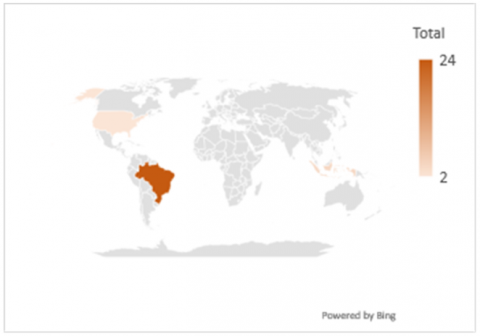
In terms of the study locations, most of the research was conducted in Brazil (24 studies), while the remainder was conducted in Indonesia (4 studies) and the United States (2 studies) (Figure 3).
Table 1. Findings
|
Author |
Country |
Impact |
||||||
|
EDU |
HLT |
EMP |
PVR |
CRM |
ENV |
FDS |
||
|
[32] |
Brazil |
|
/ |
|
|
|
|
|
|
[30] |
Brazil |
/ |
|
|
|
|
|
|
|
[22] |
Brazil |
/ |
/ |
/ |
/ |
|
|
/ |
|
[27] |
Brazil |
/ |
/ |
/ |
|
|
|
/ |
|
[50] |
Brazil |
|
/ |
|
|
|
|
/ |
|
[33] |
Brazil |
|
/ |
|
|
|
|
/ |
|
[23] |
Brazil |
/ |
|
|
|
|
|
|
|
[28] |
Indonesia |
/ |
/ |
|
|
|
|
|
|
[34] |
Brazil |
|
/ |
|
|
|
|
|
|
[35] |
Brazil |
|
/ |
|
|
|
|
|
|
[36] |
Brazil |
|
/ |
|
|
|
|
|
|
[46] |
Brazil |
|
/ |
|
|
/ |
|
|
|
[31] |
Indonesia |
/ |
|
|
|
|
|
|
|
[24] |
Brazil |
/ |
|
|
|
|
|
|
|
[38] |
Brazil |
|
|
/ |
|
|
|
|
|
[39] |
Brazil |
/ |
|
/ |
/ |
|
|
|
|
[37] |
Indonesia |
|
/ |
|
|
|
|
|
|
[45] |
Brazil |
|
|
|
/ |
|
|
|
|
[40] |
Brazil |
/ |
|
/ |
|
|
|
|
|
[41] |
Brazil |
|
|
/ |
|
|
|
|
|
[47] |
Brazil |
|
|
|
|
/ |
|
|
|
[43] |
USA |
/ |
/ |
/ |
/ |
|
|
|
|
[42] |
Brazil |
|
|
/ |
/ |
|
|
|
|
[48] |
Brazil |
|
|
|
|
|
/ |
|
|
[26] |
USA |
/ |
|
|
/ |
|
|
|
|
[25] |
Brazil |
/ |
|
|
|
|
|
|
|
[51] |
Brazil |
|
|
|
/ |
|
|
|
|
[44] |
Indonesia |
|
|
|
/ |
|
|
|
|
[49] |
Brazil |
/ |
|
|
|
|
|
/ |
|
[29] |
Brazil |
/ |
|
/ |
|
|
|
|
|
EDU=Education HLT=Health EMP=Employmeny PVR=Poverty CRM=Crime ENV=Environment FDS=Food security |
||||||||
Figure 2. Annual distribution of published studies from 2014-2024
Figure 3. Number of studies by country
3.2 The developed themes
Based on thematic analysis of the impact of CCT programs, seven themes were developed: education, health, employment, poverty, crime, environment, and food security (Table 1). The impacts evaluated for each theme encompass positive, negative, and mixed impacts.
3.2.1 Education
Conditional Cash Transfer (CCT) programs have shown positive impacts on education, such as increasing school attendance, improving academic qualifications of adult learners, enhancing test scores in subjects like language and mathematics, and encouraging higher school enrolment and grade progression [22-25]. Additionally, CCT programs in USA lead to increased spending by parents on education-related expenses, supporting children's schooling [26].
However, studies also highlight negative and mixed outcomes. CCTs have been ineffective for children who work, leading to decreased on educational achievement [27, 28], while in Brazil, the financial aid often falls short of covering schooling costs, pushing children to work [29].
Moreover, in Indonesia and Brazil, while CCTs maintained school attendance, they did not reintegrate dropouts or significantly impact primary school enrolment [30, 31].
3.2.2 Health
Conditional Cash Transfer (CCT) programs have shown significant positive impacts on health outcomes, particularly in maternal and child health. Scherrer and Alves [32] reported in Brazil, a notable 14% improvement in maternal and child health, with increases in breastfeeding and vaccination rates. Additionally, Bohn et al. [22] emphasized the enhanced access to prenatal care, especially for marginalized communities, which has led to considerable improvements in overall health. Sugiyama and Hunter [33] observed that CCT programs contributed to better physical and psychosocial health, highlighting the multifaceted benefits of such interventions. The positive effects extend to reducing infant mortality rates, as evidenced by Csapo [34], while League and Fitz [35] found a decrease in the risks of stunting and obesity among children. Furthermore, Labrecque et al. [36] highlighted improvements in key health metrics, such as height-for-age (LAZ) and weight-for-age (WAZ), demonstrating the program's success in addressing malnutrition and growth-related issues.
While Conditional Cash Transfer (CCT) programs have generally shown positive health outcomes, some studies also highlight areas of concern. For instance, in Indonesia, Hudang et al. [28] observed a decline in prenatal visits.
Lastly, the impact of Conditional Cash Transfer (CCT) programs on health outcomes also has been mixed, as seen in the findings of Kusuma et al. [37], which highlighted a 30% increase in vaccination rates for children under 12 months in Indonesia. However, the program's effect was more moderate for older children, showing less significant improvement in vaccination rates for this age group
3.2.3 Employment
In Brazil, Conditional Cash Transfer (CCT) programs have positively impacted employment by increasing formal employment, raising wages, and reducing unemployment rates [38, 39]. These programs have also helped mitigate child labour [40].
However, challenges remain in addressing structural issues, such as the lack of technical skills and dominance of informal employment [22].
While CCT programs can help transition individuals out of poverty, mixed results exist regarding long-term job sustainability and quality. For example, although many former recipients no longer depend on CCT, only a portion successfully accessed the formal job market, and small-scale manufacturing jobs created by CCT may lack long-term quality [41, 42].
3.2.4 Poverty
The Conditional Cash Transfer (CCT) programs have shown significant positive impacts on poverty reduction and economic freedom. Bohn et al. [22] highlighted a reduction in poverty rates in Brazil, while Sugiyama and Hunter [33] noted an increase in economic freedom for recipients. CCT has also proven effective in breaking the intergenerational cycle of poverty, as observed by [39]. Miller et al. [43] demonstrated a significant reduction in poverty within just three years through cash rewards in USA, while in Indonesia, Hadna [44] observed a notable increase in individual spending. Additionally, Aber et al. [26] found that CCT programs led to an increase in parental spending to meet the needs of their families.
However, the reduction in poverty has been relatively minimal, with only a modest decrease of 0.15 to 1.88 percentage points [45].
The CCT program has stimulated light manufacturing activities in the poorest and least industrialized areas, but it has also led to an increase in informal service sector activities that are less productive in Brazil [42]. This highlights a mixed outcome, where the program has succeeded in promoting economic activity in certain areas, yet the shift towards informal and low-productivity sectors may limit the program's potential for sustainable economic growth.
3.2.5 Crime
The impact of the CCT program on crime rates presents a mixed outcome. In Brazil, on one hand, it has contributed to a decrease in the suicide rate, suggesting positive mental health outcomes [46]. However, it has shown no significant effect on overall crime rates [47], indicating that the program may not be as effective in reducing other forms of criminal activity. This highlights the complexities of addressing social issues beyond financial support.
3.2.6 Environment
The CCT program has had a positive impact on the environment, particularly in Brazil, by contributing to a reduction in deforestation and forest degradation [48]. This outcome demonstrates the program’s broader effects, not only in improving the socio-economic conditions of recipients but also in promoting environmental sustainability.
3.2.7 Food security
The CCT program in Brazil has improved food security by reducing food insecurity rates to 36.8% and increasing household spending on nutritious foods like vegetables, grains, and proteins [22, 49].
However, despite these gains, Piperata et al. [50] found that food security remains low, and children's nutritional status has seen little improvement in the same country, indicating that while access to food has increased, the quality and sustainability of food security still need further attention.
The Conditional Cash Transfer (CCT) program implemented in Brazil, the United States, and Indonesia has had varying impacts in different forms. The positive behavioural changes in recipients have effectively contributed to various aspects, including increased investment in human capital development such as school attendance and academic achievement in the education dimension, greater participation in health checkups, and improvements in health outcomes, such as reductions in obesity and stunting in the health dimension. Additionally, there was an increase in recipients' engagement in the formal labour sector and a reduction in unemployment in the employment dimension. All these impacts collectively contributed to the reduction in poverty rates [22, 39]. Positive outcomes also occurred in other areas beyond poverty reduction and human capital development. The behavioural conditions of the CCT program successfully reduced social crimes, such as lowering suicide rates [46], and environmental issues, such as deforestation and forest degradation [48]. In general, the CCT program has had a positive impact on reducing poverty rates, human capital development, crime reduction, and addressing environmental issues.
However, some previous studies have highlighted negative or mixed impacts resulting from the implementation of the CCT program. One of the key issues contributing to the less effective outcomes is the insufficient amount of assistance provided. This shortage of aid has led to situations where children in countries like Indonesia and Brazil are forced to continue working as labourers to meet their basic living needs [29]. Additionally, the inadequacy of financial support has left recipients unable to afford enough food, leading to food insecurity issues [50]. These challenges demonstrate that while CCT programs aim to alleviate poverty, they may not always fully address the material needs of recipients, which affects their overall well-being.
To address the challenges observed in existing CCT programs, zakat institutions should ensure adequate financial support to prevent children from working and prioritize education. Strict enforcement of vaccination programs for older children should also be implemented, as previous studies have shown that mandatory vaccination policies significantly improve uptake, as seen during the COVID-19 vaccination rollouts [52]. Collaboration with the Ministry of Human Resources is crucial, focusing on active labour market policies and identifying job demands in the market to help the asnaf secure sustainable employment [51]. In addition, zakat institutions should consider combining cash transfers with in-kind assistance such as food banks to improve food security [53]. Lastly, promoting religiosity among the asnaf can foster self-reliance, responsibility, honesty, trustworthiness, and a strong ethical foundation, ultimately helping reduce crime and poverty in the community [54].
Furthermore, the preparedness of the government in terms of providing adequate resources is crucial to ensure that the behavioural conditions set by the program are met. This includes providing sufficient healthcare facilities and educational institutions, as well as improving access to make it easier for beneficiaries to reach health centres or educational institutions. Previous studies have shown that one of the main reasons recipients fail to comply with behavioural conditions is the difficulty in accessing facilities due to long travel distances and the limited number of available facilities [55]. These logistical barriers can hinder the effectiveness of Conditional Cash Transfer (CCT) programs, highlighting the need for better infrastructure and services to support the recipients.
An even more critical issue pertains to the development of the behavioural condition dimensions. For instance, in Brazil, the existing behavioural condition dimensions focus solely on education and health. As a result, the program has failed to make a significant impact on employment outcomes. Previous studies have shown that beneficiaries primarily rely on informal employment and lack the skills needed to engage in formal work [22]. Therefore, by developing behavioural conditions related to employment, beneficiaries would have the opportunity to enhance their skills, abilities, and competencies, thereby preparing them for the labour market. In the current system, they face difficulties in securing formal employment and earning higher wages. Hence, the development of behavioural condition dimensions plays a crucial role as a determinant of the CCT program's effectiveness and its ability to bring about positive behavioural changes in the beneficiaries.
As we know, zakat is one of the five pillars of Islam that directly impacts the socio-economic conditions of society. An effective distribution of zakat can significantly contribute to reducing poverty and bridging wealth gaps within the community. Currently, zakat is primarily distributed in the form of cash assistance, such as monthly financial support, emergency aid, school fees, and educational scholarships [5, 7]. In general, the financial assistance mechanism implemented by zakat institutions is based on unconditional cash transfers (UCT), which grants direct ownership to eligible recipients. However, given the existing issues related to the attitudes and behaviour of some zakat recipients, there is a need for a transformation in the current cash assistance distribution model. This transformation is essential to foster positive changes in the recipients’ behaviour, encouraging them to become more diligent, committed, responsible, productive, and less reliant on assistance as a primary source of income. The Conditional Cash Transfer (CCT) program, a globally recognized model, has successfully focused on creating positive behavioural changes among recipients by developing human capital in the areas of education, health, and employment [56, 57]. Therefore, to address the behavioural issues among zakat recipients, it is crucial to develop a zakat distribution mechanism based on the CCT model.
4.1 CCT conceptual framework in zakat distribution
In designing the development of a CCT program for zakat distribution, it is essential to consider the weaknesses of the existing CCT program to make improvements. One of the major weaknesses of the current CCT program is the inadequacy of its behavioural condition design, which lacks comprehensiveness [22]. The development of behavioural conditions is a crucial element in ensuring behavioural change, poverty reduction, and human capital development are achieved.
Previous studies have shown inconsistent impacts from the behavioural conditions of the existing CCT program. These include negative impacts, no impact, ineffective impacts, and short-term behavioural changes among recipients [40, 58, 59]. This situation clearly indicates that the developed dimensions and behavioural conditions are still not effective in achieving the desired impact. Additionally, Islam defines Al-falah (success and balance in both this world and the hereafter) as the primary goal of human life [60]. This objective differs significantly from the core focus of conventional CCT programs, which primarily aim to promote positive behavioural changes to reduce poverty and develop human capital, focusing solely on well-being in the material well-being.
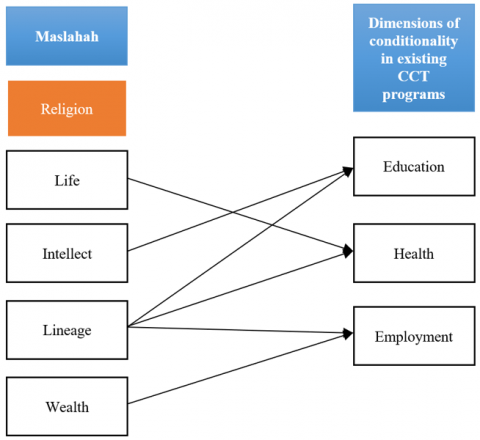
Imam Al-Ghazali defines maslahah as all conditions, whether material or immaterial, that elevate human status, with the ultimate aim being happiness in both this world and the hereafter (falah). It encompasses five key areas: religion, life, intellect, lineage, and wealth, which are essential for a prosperous life (hayyah thayyibah) [60].
In developing a CCT program for zakat distribution, the framework for behavioural conditions should include these five aspects of maslahah. Comparing the current CCT model with these dimensions reveals the absence of the religious aspect, which is critical. Therefore, the CCT model for zakat distribution should integrate the religious dimension to ensure all aspects of maslahah are addressed, leading to more effective and sustainable outcomes in line with Islamic economic principles (Figure 4).
Figure 4. Comparing the 5 categories of maslahah with the 3 behavioral dimensions of CCT programs
Additionally, improvements in the existing behavioural conditions are essential. For example, in the education dimension, the focus should extend beyond academic achievements at the school level (as seen in the current CCT program) to include preschool and higher education. This ensures lifelong learning, which aligns with Islamic teachings [61]. In the employment dimension, while the current CCT program primarily focuses on wage-based employment, it lacks emphasis on entrepreneurship [62, 63]. Since entrepreneurship is a key source of income for many among the asnaf, developing behavioural conditions related to entrepreneurship would encourage a more positive and productive mindset, ultimately helping them to grow their businesses and increase their income.
The proposed CCT program for zakat distribution differs from the current CCT programs by integrating a religious dimension aligned with Islamic economic principles (maslahah) [64]. The objectives of the conventional CCT program primarily focus on poverty reduction and human capital development by providing material support to recipients, such as education, health, and employment conditions. In contrast, the proposed zakat-based CCT program aims for long-term poverty alleviation by emphasizing not only material support but also human capital development, and self-reliance. It integrates Islamic economic principles and focuses on sustainable welfare for the asnaf, aiming to foster both their material and spiritual well-being. While current programs focus on academic achievements and wage-based employment, the proposed model expands to include lifelong education (preschool to higher education) and entrepreneurship, fostering self-reliance and productivity. It emphasizes long-term human capital development, and sustainability, ensuring that zakat distribution addresses both material and spiritual needs (Table 2).
Table 2. Comparison between the proposed CCT program for zakat distribution and the current CCT program
|
Dimension |
Current CCT Program |
Proposed CCT Program for Zakat Distribution |
|
Objectives |
Primarily aims at poverty reduction and human capital development through material support. |
Aims at poverty reduction with a focus on long-term human capital development, and self-reliance, in line with Islamic principles. |
|
Religious Conditionality |
No focus on the religious conditionality dimension. |
Includes the religious dimension, ensuring alignment with Islamic economic principles and the concept of maslahah. |
|
Education Conditionality and Impact |
Focuses primarily on academic achievements at the school level. |
Expands to include preschool and higher education, promoting lifelong learning in accordance with Islamic teachings. |
|
Employment Conditionality and Impact |
Focuses on wage-based employment. |
Includes entrepreneurship as a key aspect, encouraging self-reliance and business growth among the asnaf. |
|
Human Capital Development |
Emphasis on basic education and health conditions. |
Broader focus on human capital development, including education, entrepreneurship, and overall skills development. |
|
Self-Reliance and Productivity |
Limited focus on encouraging long-term self-reliance. |
Strong focus on fostering self-reliance and productivity, particularly through entrepreneurship and sustainable livelihoods. |
|
Sustainability |
Primarily focuses on material needs. |
Integrates long-term sustainable development by addressing both material and spiritual needs through maslahah. |
4.2 Issues, challenges, and solutions in zakat distribution using the CCT model
In developing the CCT program for zakat distribution, various issues and challenges across several aspects must be examined to find effective solutions. One of the key challenges in implementing the CCT model for zakat distribution is ensuring compliance with Shariah principles, particularly the concept of tamlik (transfer of ownership of zakat property to the recipients). According to some Islamic scholars, granting ownership of zakat to the asnaf (eligible recipients) is an obligation [65]. However, the behavioural conditions attached to the CCT program may conflict with the principle of tamlik, as it involves penalties or cessation of assistance if recipients fail to meet the required conditions.
In Malaysia, tamlik is divided into three categories. Tamlik Fardi, which refers to individual ownership; Tamlik Jama'ei, which represents collective ownership managed according to Islamic law, such as through the establishment of State Islamic Religious Councils (MAIN); and Tamlik Aa'mi, which refers to institutional ownership aimed at serving the broader community's interests and providing benefits [66, 67]. Even though there are no existing studies on CCT programs and tamlik, the role of amil (zakat administrators) and the Baitulmal (Islamic Treasury) institution has been extensively discussed in previous studies, particularly in determining whether an issue aligns with the principle of tamlik (ownership transfer). It is the responsibility and authority of Baitulmal to decide the optimal method for distributing zakat funds to address the current needs of eligible recipients (asnaf). Therefore, amil are entitled to determine the most appropriate method of zakat allocation based on local and contemporary requirements [68]. This is supported by several previous studies, which highlight the integration of the tamlik jama'ei concept within contemporary productive zakat distribution models. These models encompass various initiatives, such as zakat investment, microfinance, takaful, infrastructure development, and human capital development programs, including educational courses and training. Therefore, zakat institutions have implemented programs that benefit the asnaf by applying a more flexible approach to the principle of tamlik.
However, future research could investigate alternative interpretations of tamlik in relation to the behavioural conditionality in CCT programs, while recognizing the discretionary authority of Baitulmal and permitting a collective ownership model (tamlik jama'ei). This would involve zakat management authorities ensuring the most effective distribution system to promote the welfare of the asnaf [68].
At the zakat institution level, careful planning and preparation regarding financial budgeting, policies and regulations, computer systems, and the competency of staff are crucial. These inputs are essential to ensure the smooth and organized implementation of the program. As the key implementing body of the CCT model, the zakat institution plays a central role in ensuring that the program is carried out economically, efficiently, and effectively. For instance, many past CCT programs have failed due to insufficient assistance rates and a lack of staff to monitor the program effectively [69]. These factors should be considered by policymakers to enhance the preparedness of zakat institutions.
Lastly, the supply-side aspects are crucial for the effectiveness of CCT programs. This includes balancing work requirements with appropriate job opportunities, and ensuring adequate facilities for education and health services. Additionally, providing market opportunities for entrepreneurial products is essential. Studies show that many CCT programs fail due to limited services, job opportunities, and low incomes [22, 70]. These issues hinder compliance with behavioural requirements and impact the program’s effectiveness.
4.3 Implications, research gaps and recommendations for future studies
This study offers several important implications for policymakers and researchers. Many past studies have highlighted that the behavioural issues of zakat recipients are a key problem affecting the effectiveness of current zakat distribution. Therefore, developing more effective zakat distribution strategies to address these behavioural issues should be a priority research agenda. In this regard, this study proposes the exploration of the CCT model as an important solution to the behavioural issues of recipients, drawing from the impacts observed in existing CCT programs.
In the systematic literature review, the themes formed are based on the impacts of the CCT program through the developed behavioural conditions. These behavioural conditions resulted in impacts across various fields, including education, health, employment, poverty, food security, crime, and the environment. To ensure that zakat recipients achieve Falah (success in all aspects of life), the development of more holistic behavioural conditions is crucial. This will address the issues of the existing CCT program, which lacks sustainability.
Therefore, based on the SLR, several research gaps have been identified. First, the understanding of the gap in behavioural conditions that positively influence the behaviour of CCT program recipients. Second, the gap in understanding why some CCT programs do not yield positive or mixed impacts, are unsustainable, and lead to short-term behavioural changes only. Finally, the gap in the development and determination of behavioural condition items for the religious dimension, ensuring that CCT programs in zakat distribution have a significant and sustainable impact.
Various initiatives have been implemented by zakat institutions to eradicate poverty among the asnaf, including the corporatization of institutions, the application of digital technology, innovative distribution programs, and increased zakat expenditures each year. However, the current zakat distribution is still less effective in eradicating poverty among asnaf due to behavioural issues within the asnaf community itself. Therefore, zakat distribution reform should focus on fostering positive behavioural changes among this group.
This study conducts a systematic literature review (SLR) to identify the impacts of Conditional Cash Transfer (CCT) programs and propose the development of this model in zakat distribution. Based on 30 selected articles, the study identifies seven themes related to the impact of CCT program behavioural conditions: education, health, employment, poverty, food, crime, and the environment. While most studies show positive impacts of CCT programs, some past studies indicate the opposite or mixed impacts. This clearly shows that the existing CCT programs remain ineffective and unsustainable.
The discussion then shifts to the conceptual framework of the CCT model in zakat distribution, addressing the effectiveness issues caused by asnaf's behavioural problems. To develop a holistic CCT model, the study discusses solutions to the unsustainability of current CCT programs and the important goal of Islamic life: achieving falah (success in both this world and the hereafter). This leads to the proposal of developing behavioural conditions in the religious dimension to ensure that zakat distribution impacts are achieved effectively and sustainably.
The study further focuses on the potential issues, challenges, and solutions in developing CCT programs by zakat institutions. This comprehensive study provides valuable input for policymakers and researchers to identify and develop relevant behavioural condition items to ensure that the CCT model in zakat distribution becomes robust and has the potential to achieve the desired impact. The study identified three key research gaps: 1) understanding the behavioural conditions that positively influence CCT recipients' behaviour, 2) understanding why some CCT programs fail to produce sustainable positive impacts or only lead to short-term changes, and 3) developing and determining behavioural conditions for the religious dimension to ensure that CCT programs in zakat distribution achieve lasting, meaningful impact.
This work is supported by Universiti Kebangsaan Malaysia (Grant numbers: EP-2023-076).
[1] Wahid, H., Ahmad, S., Nor, M.A.M., Rashid, M.A. (2017). Prestasi kecekapan pengurusan kewangan dan agihan zakat: Perbandingan antara majlis agama islam negeri di Malaysia. Jurnal Ekonomi Malaysia, 51(2): 39-54. https://doi.org/10.17576/jem-2017-5001-4
[2] Suhaimi, M.N.M.N.I., Sollehudin M, Shuibc, A.F.O., Saade, R.A.J. (2019). Corporate governance practice, risk management and internal control at kedah state zakat board (LZNK). Corporate Governance, 6(2): 389-404.
[3] Beik, I.S., Swandaru, R., Rizkiningsih, P. (2021). Utilization of digital technology for zakat development. In Islamic FinTech: Insights and Solutions. Cham: Springer International Publishing, pp. 231-248. https://doi.org/10.1007/978-3-030-45827-0_13
[4] Abidin, A., Utami, P., (2020). The regulation of zakat digital technology in creating community welfare impact on economic development. Joumal Legal Ethical and Regulatory Issues, 23(5).
[5] MAIWP. (2021). Laporan Tahunan Majlis Agama Islam Wilayah Persekutuan. https://www.maiwp.gov.my/portal-main/publication-list?category=laporan.
[6] JAWHAR. (2024). Statistik Agihan Zakat Mengikut Negeri. https://baitulmal.jawhar.gov.my/zkt_agihan_stat.php.
[7] MAIS. (2022). Laporan Tahunan. Majlis Agama Islam Selangor. https://mais.gov.my/wp-content/uploads/2024/01/LAPORAN-TAHUNAN-MAIS-2022_Final.pdf.
[8] Zahid, E.S.B.M., Razali, M.B. (2020). Peranan lembaga zakat selangor terhadap pembangunan insan dalam kalangan asnaf fakir dan miskin: The role of selangor zakat board on human development among the fakir and miskin asnaf. Global Journal Al-Thaqafah, 57-72. https://doi.org/10.7187/gjatsi2020-7
[9] Jaafar N. (2023). Sanggup menipu untuk dapat bantuan zakat. Sinar Harian. https://www.sinarharian.com.my/article/264755/edisi/selangor-kl/sanggup-menipu-untuk-dapat-bantuan-zakat.
[10] Fiszbein, A., Schady, N.R. (2009). Conditional cash transfers: Reducing present and future poverty. World Bank Publications. https://doi.org/10.1596/978-0-8213-7352-1
[11] Rukiko, M.D., Mwakalobo, A.B.S., Mmasa, J.J. (2023). The context in conditional cash transfer (CCT) programs: A royal road to health service utilization to the poor? Cogent Business & Management, 10(1), 2198075. https://doi.org/10.1080/23311975.2023.2198075
[12] Mookherjee, D., Napel, S. (2021). Welfare rationales for conditionality of cash transfers. Journal of Development Economics, 151: 102657. https://doi.org/10.1016/j.jdeveco.2021.102657
[13] Alves, T. (2023). Brazil’s Bolsa Família welfare program lifted 3 million out of poverty in 2023: Gov’t. Brazilreports.com. https://www.brazilreports.com/brazils-bolsa-familia-welfare-program-lifted-3-million-out-of-poverty-in-2023-govt/5355/.
[14] Yeboah, F.K., Kaplowitz, M.D., Kerr, J.M., Lupi, F., Thorp, L.G. (2016). Sociocultural and institutional contexts of social cash transfer programs: Lessons from stakeholders’ attitudes and experiences in Ghana. Global Social Policy, 16(3): 287-308. https://doi.org/10.1177/1468018115600039
[15] Nugroho, W., Ambarwati, R., Prapanca, D., Wahyuni, A. (2025). Developing cost frameworks for sustainable water supply utility: A bibliometric analysis and systematic literature review. International Journal of Sustainable Development and Planning, 20(1): 227-244. https://doi.org/10.18280/ijsdp.200122
[16] Mohamed Shaffril, H.A., Samsuddin, S.F., Abu Samah, A. (2021). The ABC of systematic literature review: The basic methodological guidance for beginners. Quality & Quantity, 55: 1319-1346. https://doi.org/10.1007/s11135-020-01059-6
[17] Moher, D., Liberati, A., Tetzlaff, J., Altman, D.G., Prisma Group. (2010). Preferred reporting items for systematic reviews and meta-Analyses: The PRISMA statement. International Journal of Surgery, 8(5): 336-341. https://doi.org/10.1016/j.ijsu.2010.02.007
[18] Wance, M., Niswaty, R., Nur, A.C., Madubun, J. (2025). Trends in the publication of the effectiveness and impact of digitalization in population administration: A systematic review. International Journal of Sustainable Development & Planning, 20(1): 281-290. https://doi.org/10.18280/ijsdp.200126
[19] Saleem, S., Alchalabi, O. (2025). An in-depth analysis of factors impacting housing satisfaction: A systematic review and post-occupancy evaluation. International Journal of Sustainable Development & Planning, 20(1): 119-131. https://doi.org/10.18280/ijsdp.200113
[20] Page, M.J.,Boutron, I., Tetzlaff, J.M., Glanville, J., Lalu, M.M., Mayo-Wilson, E., Stewart, L.A., Welch, V.A. (2021). The PRISMA 2020 statement: An updated guideline for reporting systematic reviews. BMJ, 71: 372. https://doi.org/10.1136/bmj.n71
[21] Kiger, M.E., Varpio, L. (2020). Thematic analysis of qualitative data: AMEE Guide No. 131. Medical Teacher, 42(8): 846-854. https://doi.org/10.1080/0142159x.2020.1755030
[22] Bohn, S., Veiga, L.F., Dalt, S.D., Brandão, A.A.P., Gouvêa, V.H.D.C. (2014). Can conditional cash transfer programs generate equality of opportunity in highly unequal societies? Evidence from Brazil. Revista de Sociologia E Política, 22: 111-133. https://doi.org/10.1590/1678-987314225107
[23] Draeger, E. (2021). Do conditional cash transfers increase schooling among adolescents? Evidence from Brazil. International Economics and Economic Policy, 18(4): 743-766. https://doi.org/10.1007/s10368-021-00505-6
[24] Marx, L. (2023). How is the Bolsa Família program associated with the test scores performance of economically disadvantaged pupils in Brazil? International Journal of Educational Development, 102: 102878. https://doi.org/10.1016/j.ijedudev.2023.102878
[25] De Brauw, A., Gilligan, D.O., Hoddinott, J., Roy, S. (2014). The impact of Bolsa Familia on schooling: Girls’ advantage increases and older children gain, 70: 303-316. https://doi.org/10.2139/ssrn.2405714
[26] Aber, J.L., Morris, P., Wolf, S., Berg, J. (2016). The impact of a holistic conditional cash transfer program in New York City on parental financial investment, student time use, and educational processes and outcomes. Journal of Research on Educational Effectiveness, 9(3): 334-363. https://doi.org/10.1080/19345747.2015.1107925
[27] Cepaluni, G., Chewning, T.K., Driscoll, A., Faganello, M.A. (2022). Conditional cash transfers and child labor. World Development, 152: 105768. https://doi.org/10.1016/j.worlddev.2021.105768
[28] Hudang, A.K., Hariyanto, T., Handoyo, R.D. (2024) Does conditional cash transfer deliver? The Indonesian evidence on PKH. Business: Theory and Practice, 25(2): 447-457. https://doi.org/10.3846/btp.2024.13865
[29] Peruffo, M., Ferreira, P.C. (2017). The long‐term effects of conditional cash transfers on child labor and school enrollment. Economic Inquiry, 55(4): 2008-2030. https://doi.org/10.1111/ecin.12457
[30] Reynolds, S.A. (2015). Brazil's bolsa familia: Does it work for adolescents and do they work less for it? Economics of Education Review, 46(2015): 23-38. https://doi.org/10.1016/j.econedurev.2015.02.004
[31] Hadna, A.H., Kartika, D. (2017). Evaluation of poverty alleviation policy: Can conditional cash transfers improve the academic performance of poor students in Indonesia? Cogent Social Sciences, 3(1): 1295548. https://doi.org/10.1080/23311886.2017.1295548
[32] Scherrer, I.R.S., Alves, C.R.L. (2021). Association of maternal depression, family composition and poverty with maternal care and physical health of children in the first year of life. Journal of Human Growth and Development, 31(1): 18-27. https://doi.org/10.36311/jhgd.v31.10859
[33] Sugiyama, N.B., Hunter, W. (2020). Do conditional cash transfers empower women? Insights from Brazil’s bolsa família. Latin American Politics and Society, 62(2): 53-74. https://doi.org/10.1017/lap.2019.60
[34] Csapo, M. (2023). Does conditioning cash transfers on health treatment harm the health of other families on low incomes who depend on public services? Evidence from Brazil. Development Policy Review, 41(4): e12688. https://doi.org/10.1111/dpr.12688
[35] League, R., Fitz, D. (2023). Early-Life shocks and childhood social programs: Evidence of catch-up in Brazil. The Journal of Development Studies, 59(12): 1905-1926. https://doi.org/10.1080/00220388.2023.2250131
[36] Labrecque, J.A., Kaufman, J.S., Balzer, L.B., Maclehose, R.F., Strumpf, E.C., Matijasevich, A., Santos, I.S., Schmidt, K.H., Barros, A.J. (2018). Effect of a conditional cash transfer program on length-for-age and weight-for-age in Brazilian infants at 24 months using doubly-robust, targeted estimation. Social Science & Medicine, 211: 9-15. https://doi.org/10.1016/j.socscimed.2018.05.040
[37] Kusuma, D., Thabrany, H., Hidayat, B., McConnell, M., Berman, P., Cohen, J. (2017). New evidence on the impact of large-scale conditional cash transfers on child vaccination rates: The case of a clustered-randomized trial in Indonesia. World Development, 98: 497-505. https://doi.org/10.1016/j.worlddev.2017.05.007
[38] Correa Junior, C.B., Trevisan, L.N., Mello, C.H.P.D. (2019). Impacts of the Bolsa Família Program on the labor market of Brazilian municipalities. Revista de Administração Pública, 53: 838-858. https://doi.org/10.1590/0034-761220180026x
[39] Warby, B. (2018). Long-Term societal impacts of conditional cash transfers: Bolsa Familia a decade in. International and Multidisciplinary Journal of Social Sciences, 7(1): 79-103. https://doi.org/10.17583/rimcis.2018.3200
[40] Fitz, D.Y.L.A.N., League, R. (2021). School, shocks, and safety nets: Can conditional cash transfers protect human capital investments during rainfall shocks? The Journal of Development Studies, 57(12): 2002-2026. https://doi.org/10.1080/00220388.2021.1928640
[41] Fassarella, E., Ferreira, S., Franco, S., Neto, V.P., Ribeiro, G., Schuabb, V., Tafner, P. (2024). Social mobility and CCT programs: The Bolsa Família program in Brazil. World Development Perspectives, 35: 100624. https://doi.org/10.1016/j.wdp.2024.100624
[42] Rougier, E., Combarnous, F., Fauré, Y.A. (2018). The “local economy” effect of social transfers: An empirical assessment of the impact of the Bolsa Família program on local productive structure and economic growth. World Development, 103: 199-215. https://doi.org/10.1016/j.worlddev.2017.09.019
[43] Miller, C., Miller, R., Verma, N., Dechausay, N., Yang, E., Rudd, T., Rodriguez, J., Honig, S. (2016). Effects of a modified conditional cash transfer program in two American cities: Findings from Family Rewards 2.0. New York: MDRC, September. https://www.mdrc.org/work/publications/effects-modified-conditional-cash-transfer-program-two-american-cities
[44] Hadna, A.H. (2022). The impact of conditional cash transfers on low-income individuals in Indonesia. Advances in Southeast Asian Studies, 15(1): 23-41. https://doi.org/10.14764/10.ASEAS-0067
[45] Bither-Terry, R. (2014). Reducing poverty intensity: What alternative poverty measures reveal about the impact of Brazil's Bolsa Família. Latin American Politics and Society, 56(4): 143-158. https://doi.org/10.1111/j.1548-2456.2014.00252.x
[46] Alves, F.J.O., Machado, D.B., Barreto, M.L. (2019). Effect of the Brazilian cash transfer programme on suicide rates: A longitudinal analysis of the Brazilian municipalities. Social Psychiatry and Psychiatric Epidemiology, 54: 599-606. https://doi.org/10.1007/s00127-018-1627-6
[47] Chioda, L., De Mello, J.M., Soares, R.R. (2016). Spillovers from conditional cash transfer programs: Bolsa Família and crime in urban Brazil. Economics of Education Review, 54: 306-320. https://doi.org/10.1016/j.econedurev.2015.04.005
[48] Cunha, P.D.R., Neto, C.R., Morsello. C. (2022). The effects on deforestation of conditional cash transfers: A study among the Khĩsêtjê Amazonian indigenous people. International Forestry Review, 24(3): 330-344. https://doi.org/10.1505/146554822835941869
[49] Ferrario, M.N. (2014). The impacts on family consumption of the Bolsa Família subsidy programme. Cepal Review, 2014(112): 147-163. https://doi.org/10.18356/5579e867-en
[50] Piperata, B.A., McSweeney, K., Murrieta, R.S. (2016). Conditional cash transfers, food security, and health: Biocultural insights for poverty-Alleviation policy from the Brazilian Amazon. Current Anthropology, 57(6): 806-826. https://doi.org/10.1086/688912
[51] Fertig, M., Schmidt, C.M., Schneider, H. (2006). Active labor market policy in Germany-Is there a successful policy strategy? Regional Science and Urban Economics, 36(3): 399-430. https://doi.org/10.1016/j.regsciurbeco.2006.01.001
[52] Mello, M.M., Opel, D.J., Benjamin, R.M., Callaghan, T., DiResta, R., Elharake, J.A., Flowers, L.C., Galvani, A.P., Salmon, D.A., Schwartz, J.L., Brewer, N.T., Buttenheim, A.M., Carpiano, R.M., Clinton, C., Hotez, P.J., Lakshmanan, R., Maldonado, Y.A., Omer, S.B., Sharfstein, J.M., Caplan, A. (2022). Effectiveness of vaccination mandates in improving uptake of COVID-19 vaccines in the USA. The Lancet, 400(10351): 535-538. https://doi.org/10.1016/s0140-6736(22)00875-3
[53] Ahmed, A., Hoddinott, J., Roy, S. (2024). Food transfers, cash transfers, behavior change communication and child nutrition: Evidence from Bangladesh. The World Bank Economic Review, lhae023. https://doi.org/10.1093/wber/lhae023
[54] Hoque, N., Khan, M.A., Mohammad, K.D. (2015). Poverty alleviation by Zakah in a transitional economy: A small business entrepreneurial framework. Journal of Global Entrepreneurship Research, 5(7): 1-20. https://doi.org/10.1186/s40497-015-0025-8
[55] Medgyesi, M. (2016). Conditional cash transfers in high-income countries and their impact on human capital accumulation. TARKI Social Research Institute, Strategies for Eradicating Poverty to achieve Sustainable Development for All: United Nations Department of Economic and Social Affairs (DESA), June, 1-3. https://www.un.org/esa/socdev/egms/docs/2016/Poverty-SDGs/Tarki-paper.pdf
[56] Premand, P., Barry, O. (2022). Behavioral change promotion, cash transfers and early childhood development: Experimental evidence from a government program in a low-income setting. Journal of Development Economics, 158: 102921. https://doi.org/10.1016/j.jdeveco.2022.102921
[57] Dwyer, P., Scullion, L., Jones, K., McNeill, J., Stewart, A.B. (2022). The impacts of welfare conditionality: Sanctions support and behaviour change. Policy Press. https://doi.org/10.1332/policypress/9781447320111.001.0001
[58] Saeed, M.K., Hayat, M.A. (2020). The impact of social cash transfers on poverty in Pakistan-A case study of benazir income support programme. Munich Personal RePEc Archive, 1-33. https://mpra.ub.uni-muenchen.de/99805/1/MPRA_paper_99805.pdf
[59] Colvara, B.C., Singh, A., Gupta, A., Celeste, R.K., Hilgert, J.B. (2023). Association between cash transfer programs and oral health-A scoping review. Journal of Public Health Dentistry, 83(1): 69-77. https://doi.org/10.1111/jphd.12552
[60] Lamido, A.A. (2020). Maqāṣid al-Sharī‛ah and its relevance in formulating poverty alleviation policies and programmes. The Islamic Quarterly, 62(1): 1-85.
[61] Günther, S. (2006). Be masters in that you teach and continue to learn: Medieval Muslim thinkers on educational theory. Comparative Education Review, 50(3): 367-388. https://doi.org/10.1086/503881
[62] Syahid, A., Mujitaba, M.A., Rameli, N., TS, T.M.Z., Razali, N.A. (2024). Entrepreneurial human capital on the empowerment of asnaf entrepreneurs planning in the state of selangor. Planning Malaysia, 22(1): 296-308. https://doi.org/10.21837/pm.v22i30.1441
[63] Mahmood, T.M.A.T., Mamun, A.A., Ibrahim, M.D. (2020). Attitude towards entrepreneurship: A study among Asnaf Millennials in Malaysia. Asia Pacific Journal of Innovation and Entrepreneurship, 14(1): 2-14. https://doi.org/10.1108/apjie-06-2019-0044
[64] Isnaini, I., Sugara, B. (2024). The significance and application of Maqashid Sharia in contemporary economic practices: A qualitative analysis. Saqifah: Jurnal Hukum Ekonomi Syariah, 9(1): 64-71.
[65] Hussain, S. (2021). Tamlīk-Proper to quasi-Tamlīk: Unconditional cash transfer (UCT) of Zakat money, empowering the poor and contemporary modes of distributing Zakat money with special reference to British Muslim charities. Journal of Muslim Minority Affairs, 41(1): 179-201. https://doi.org/10.1080/13602004.2021.1894388
[66] Al-Mawardi, A.H.A. (1996). Al-Ahkam al-Sulthaniyah wa-Wilayat al-Diniyah. Beirut: Dar al-Fikr.
[67] Siraj, S.A., Rashid, H.M.A., Salleh, M.C.M., Sulaiman, M., Mohamad, M.H.S., Osman, A.Z. (2017). Perakaunan dan pelaporan kewangan Islam bagi institusi wakaf, zakat dan baitulmal di Malaysia Fasa 2, Zon 3. Putrajaya: Jabatan Akauntan Negara Malaysia. https://www.anm.gov.my/images/dokumen/perakaunan/Piawaian-Perakaunan-Islam/Laporan-Penyelidikan-PPI/Aset_Zon_3_UIAM.pdf.
[68] Salleh, M.F.M., Basnan, N., Ahmad, A., Harun, A.M., Wahid, H., Wahab, A.B.A. (2018). Perakaunan dan pelaporan kewangan Islam bagi institusi wakaf, zakat dan baitulmal di Malaysia Fasa 2, Zon 1. Putrajaya: Jabatan Akauntan Negara Malaysia. https://www.ipn.gov.my/penerbitan/perakaunan-dan-pelaporan-kewangan-islam-bagi-institusi-wakaf-zakat-dan-baitulmal-di-malaysia-fasa-2-2017-zon-2/
[69] Babasa, A.L.N. (2019). The conditional cash transfer program in the Philippines: Emerging issues and challenges. Yuchengco Center Policy Paper Series.
[70] Barbosa, A.L.N.D.H., Corseuil, C.H.L. (2014). Conditional cash transfer and informality in Brazil. IZA Journal of Labor & Development, 3: 1-18. https://doi.org/10.1186/s40175-014-0024-0